
巨噬细胞在生殖器官中的生理作用。
The physiological role of macrophages in reproductive organs.
作者信息
Yoshino Osamu, Ono Yosuke
机构信息
Department of Obstetrics and Gynecology University of Yamanashi Yamanashi Japan.
出版信息
Reprod Med Biol. 2025 Feb 14;24(1):e12637. doi: 10.1002/rmb2.12637. eCollection 2025 Jan-Dec.
BACKGROUND
Macrophages are essential immune cells critical to reproductive physiology. They regulate key processes such as follicular development, ovulation, and luteinization in the ovaries. Macrophages are also involved in endometrial remodeling, immune tolerance, and placentation in the uterus.
METHODS
This review examined the biological characteristics of macrophages and their role in ovarian, uterine, and fallopian tube physiology. It focused on findings from both animal and human studies to provide a comprehensive understanding of macrophage functions.
MAIN FINDINGS
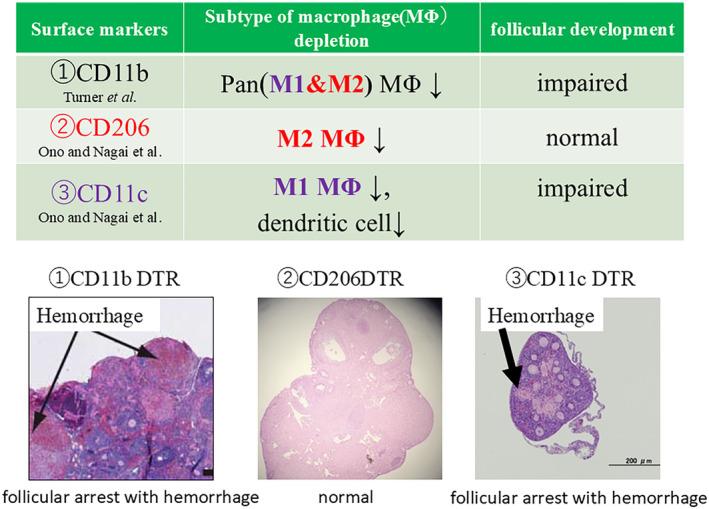
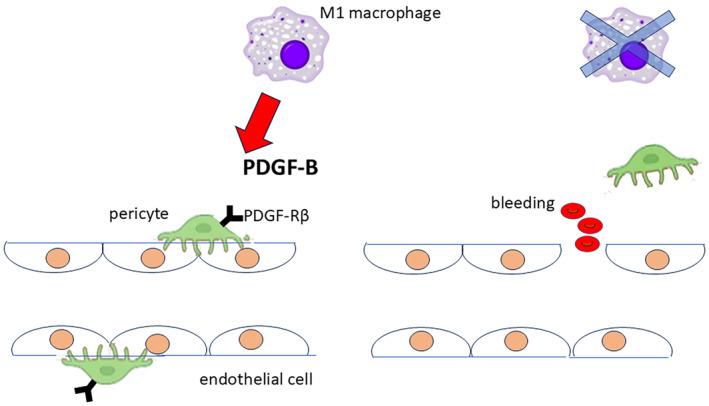
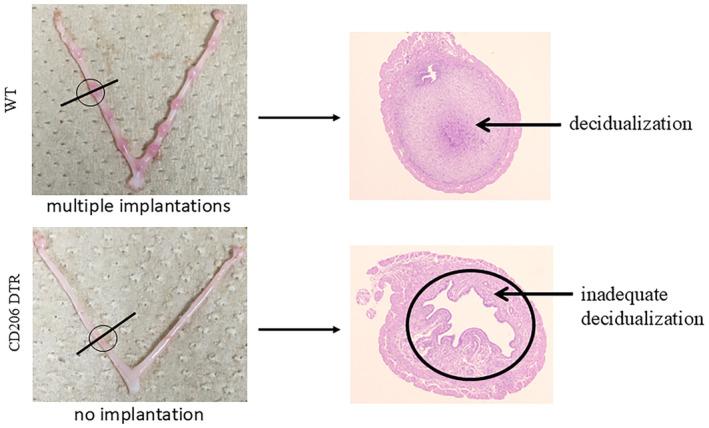
In the ovaries, M1 macrophages play a role in folliculogenesis and ovulation through the inflammatory and angiogenic pathways. Macrophages also maintain the corpus luteum and vascular integrity. In the uterus, macrophages regulate tissue repair and remodeling during the menstrual cycle and play a critical role in implantation by maintaining immune tolerance and supporting decidualization. Dysregulation of the M1/M2 balance can cause implantation failure. In the fallopian tubes, macrophages mediate tissue repair and immune responses. Macrophage polarization dynamically adapts to physiological and pathological conditions in all reproductive organs highlighting the functional plasticity of these cells.
CONCLUSION
Macrophage polarization and functions are pivotal in maintaining reproductive health. Hence, understanding the role of macrophages in various reproductive organs provides a foundation for developing new therapies.
背景
巨噬细胞是对生殖生理至关重要的免疫细胞。它们调节卵巢中的关键过程,如卵泡发育、排卵和黄体化。巨噬细胞还参与子宫内膜重塑、免疫耐受和子宫中的胎盘形成。
方法
本综述研究了巨噬细胞的生物学特性及其在卵巢、子宫和输卵管生理中的作用。它重点关注动物和人类研究的结果,以全面了解巨噬细胞的功能。
主要发现
在卵巢中,M1巨噬细胞通过炎症和血管生成途径在卵泡发生和排卵中发挥作用。巨噬细胞还维持黄体和血管完整性。在子宫中,巨噬细胞在月经周期中调节组织修复和重塑,并通过维持免疫耐受和支持蜕膜化在着床中起关键作用。M1/M2平衡失调可导致着床失败。在输卵管中,巨噬细胞介导组织修复和免疫反应。巨噬细胞极化动态适应所有生殖器官的生理和病理状况,突出了这些细胞的功能可塑性。
结论
巨噬细胞极化和功能在维持生殖健康中至关重要。因此,了解巨噬细胞在各种生殖器官中的作用为开发新疗法提供了基础。

 Zotero 插件