
[具体物质]在抗乳腺癌中的作用、机制及效果(综述) (注:原文中“in anti‑breast cancer”前缺失具体物质,这里翻译时补充了“[具体物质]”)
Role, mechanisms and effects of in anti‑breast cancer (Review).
作者信息
Jiang Shiting, Li Chengxia, Liu Dan, Zeng Fancai, Wei Wenli, He Tao, Yang Wenli
机构信息
Institute for Cancer Medicine, School of Basic Medical Sciences, Southwest Medical University, Luzhou, Sichuan 646000, P.R. China.
Laboratory of Biochemistry and Molecular Biology, School of Basic Medical Sciences, Southwest Medical University, Luzhou, Sichuan 646000, P.R. China.
出版信息
Oncol Lett. 2025 Jan 30;29(4):166. doi: 10.3892/ol.2025.14912. eCollection 2025 Apr.
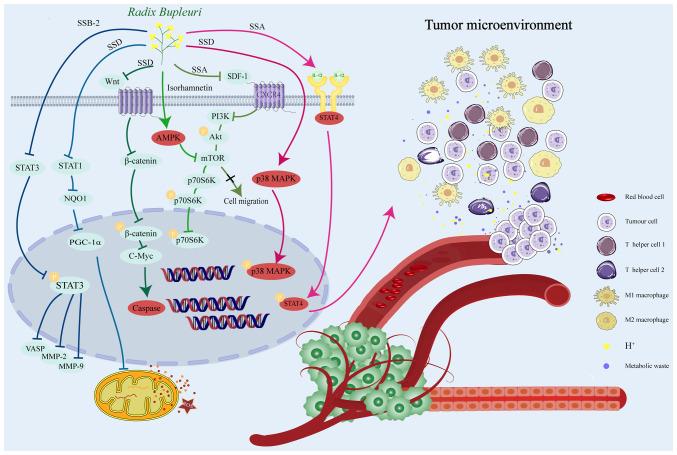
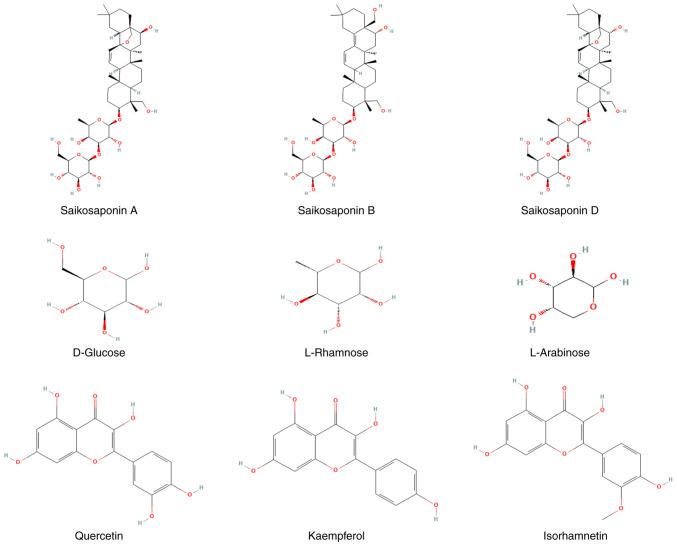
The prevalence of breast cancer among women has led to a growing need for innovative anti-breast cancer medications and an in-depth investigation into their molecular mechanisms of action, both of which are essential tactics in clinical intervention. In the clinical practice of Traditional Chinese Medicine, and its active components have shown promise as potential anti-breast cancer agents due to their ability to target multiple pathways, exhibit synergistic effects and reduce toxicity. These compounds are considered to enhance the prognosis of patients with cancer, prolong survival and combat chemotherapy resistance. The present review aimed to delve into the anti-breast cancer properties of and its active ingredients, highlighting their mechanisms, such as inhibition of cell proliferation, promotion of apoptosis, metastasis prevention, microenvironment improvement and synergy with certain chemotherapeutic agents. These findings may provide a scientific rationale for combining and its active components with traditional chemotherapy agents for the management of breast cancer.
女性乳腺癌的高发病率使得对创新型抗乳腺癌药物的需求日益增长,同时也需要深入研究其分子作用机制,这两者都是临床干预的重要策略。在中医临床实践中,[具体药物名称未给出]及其活性成分因其能够靶向多种途径、发挥协同作用并降低毒性,已显示出作为潜在抗乳腺癌药物的前景。这些化合物被认为可以改善癌症患者的预后、延长生存期并对抗化疗耐药性。本综述旨在深入探讨[具体药物名称未给出]及其活性成分的抗乳腺癌特性,重点介绍其作用机制,如抑制细胞增殖、促进细胞凋亡、预防转移、改善微环境以及与某些化疗药物的协同作用。这些发现可能为将[具体药物名称未给出]及其活性成分与传统化疗药物联合用于乳腺癌治疗提供科学依据。
 Zotero 插件