
对人乳的抗性涉及酰基载体蛋白AcpP。
resistance to human milk involves the acyl carrier protein AcpP.
作者信息
Zhou Bibi, Garber Jolene M, Butcher James, Muszynski Artur, Casey Rebekah L, Huynh Steven, Archer-Hartmann Stephanie, Porfírio Sara, Rogers Ashley M, Azadi Parastoo, Parker Craig T, Ng Kenneth K S, Hines Kelly M, Stintzi Alain, Szymanski Christine M
机构信息
Department of Microbiology, University of Georgia, Athens, Georgia, USA.
Complex Carbohydrate Research Center, University of Georgia, Athens, Georgia, USA.
出版信息
mBio. 2025 Apr 9;16(4):e0399724. doi: 10.1128/mbio.03997-24. Epub 2025 Feb 25.
UNLABELLED
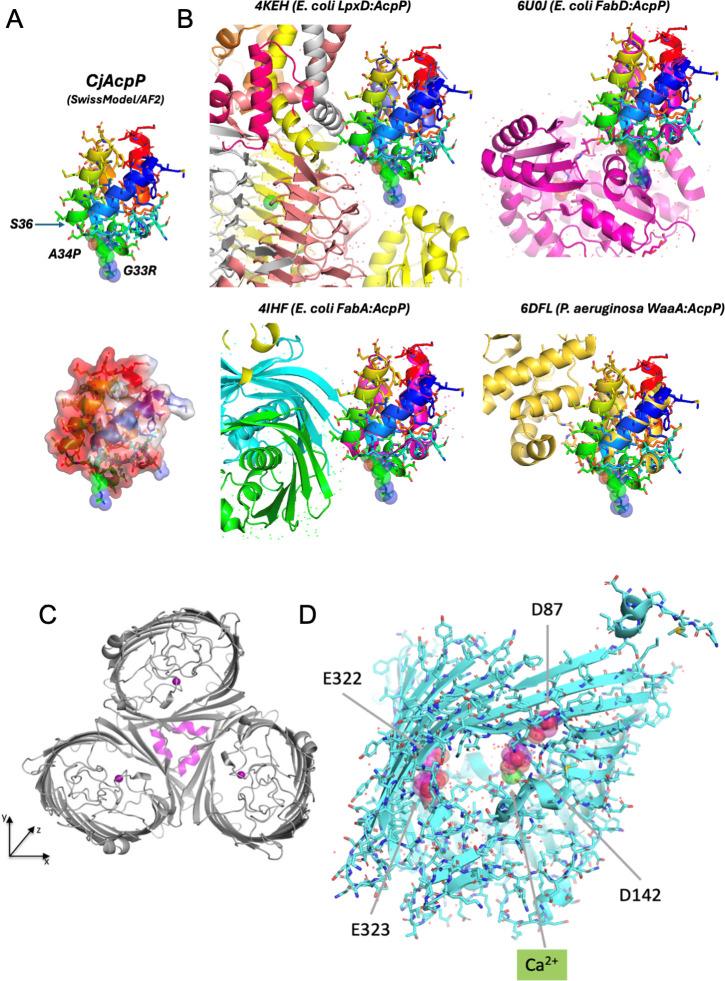
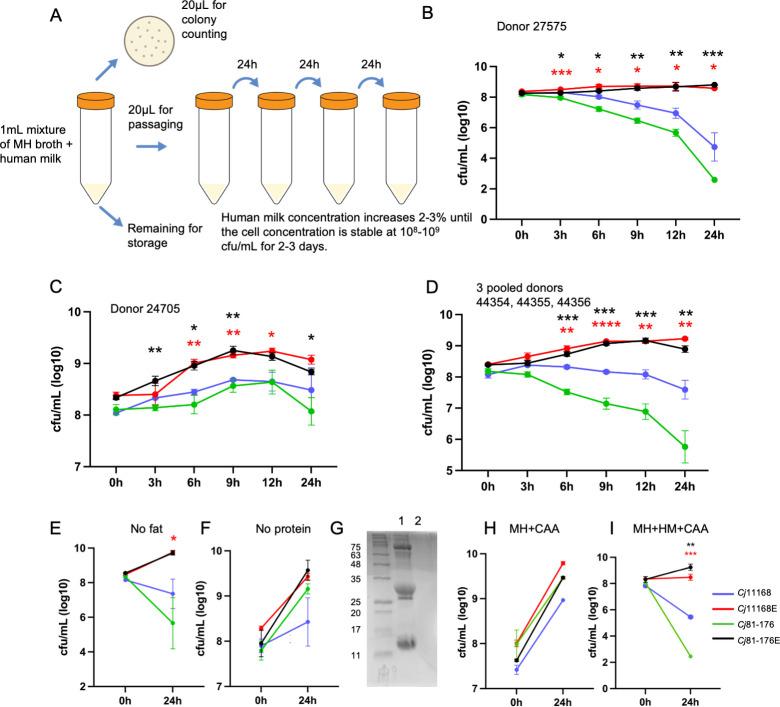
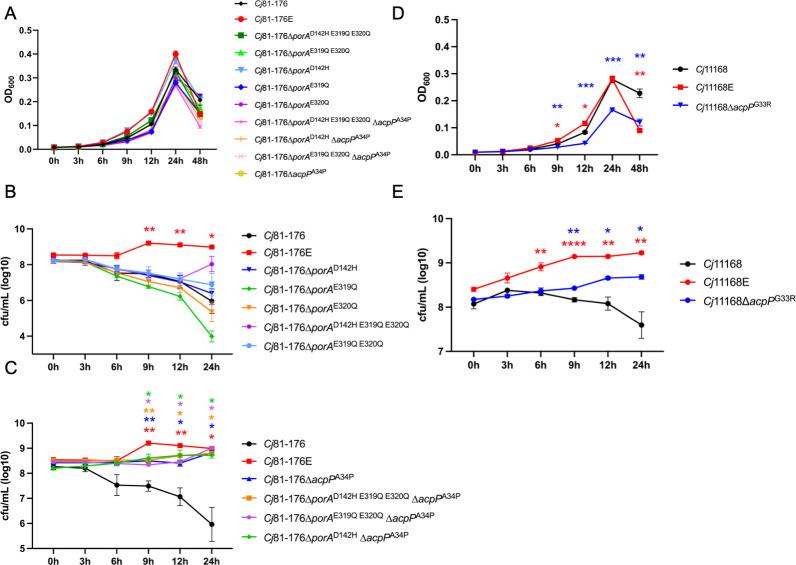
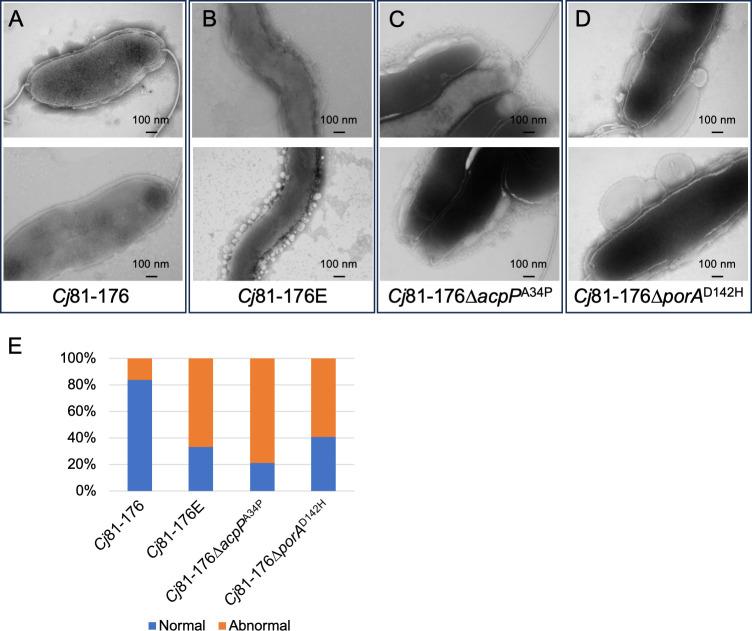
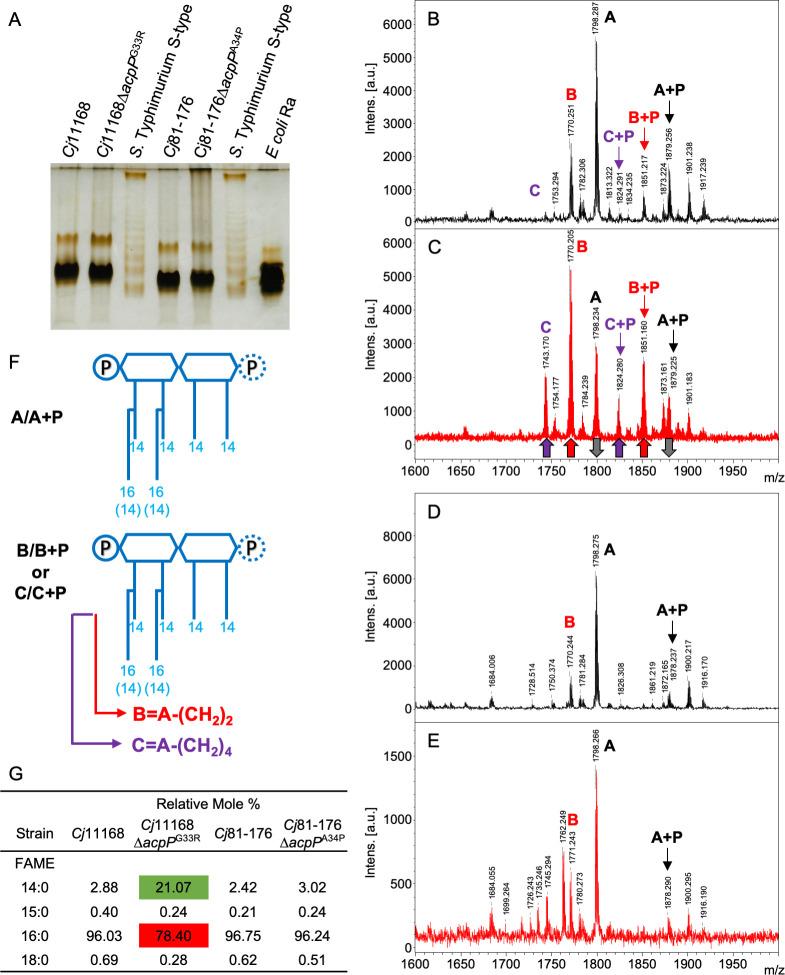
is a common foodborne pathogen worldwide that is associated with high rates of morbidity and mortality among infants in low- to middle-income countries (LMICs). Human milk provides infants with an important source of nutrients and contains antimicrobial components for protection against infection. However, recent studies, including our own, have found significantly higher levels of in diarrheal stool samples collected from breastfed infants compared to non-breastfed infants in LMICs. We hypothesized that has unique strategies to resist the antimicrobial properties of human milk. Transcriptional profiling found human milk exposure induces genes associated with ribosomal function, iron acquisition, and amino acid utilization in strains 81-176 and 11168. However, unidentified proteinaceous components of human milk prevent bacterial growth. Evolving both isolates to survive in human milk resulted in mutations in genes encoding the acyl carrier protein (AcpP) and the major outer membrane porin (PorA). Introduction of the PorA/AcpP amino acid changes into the parental backgrounds followed by electron microscopy showed distinct membrane architectures, and the AcpP changes not only significantly improved growth in human milk, but also yielded cells surrounded with outer membrane vesicles. Analyses of the phospholipid and lipooligosaccharide (LOS) compositions suggest an imbalance in acyl chain distributions. For strain 11168, these changes protect both evolved and 11168∆ strains from bacteriophage infection and polymyxin killing. Taken together, this study provides insights into how may evolve to resist the bactericidal activity of human milk and flourish in the hostile environment of the gastrointestinal tract.
IMPORTANCE
In this study, we evolved strains which can grow in the presence of human milk and found that cell membrane alterations may be involved in resistance to the antimicrobial properties of human milk. These bacterial membrane changes are predominantly linked to amino acid substitutions within the acyl carrier protein, AcpP, although other bacterial components, including PorA, are likely involved. This study provides some insights into possible strategies for survival and propagation in the gastrointestinal tract of breastfed infants.
未标记
是一种在全球范围内常见的食源性病原体,在低收入和中等收入国家(LMICs)的婴儿中,其发病率和死亡率较高。母乳为婴儿提供了重要的营养来源,并含有抗菌成分以预防感染。然而,包括我们自己的研究在内,最近的研究发现,与LMICs中未母乳喂养的婴儿相比,从母乳喂养婴儿收集的腹泻粪便样本中 的水平显著更高。我们假设 具有独特的策略来抵抗母乳的抗菌特性。转录谱分析发现,母乳暴露会诱导81 - 176和11168菌株中与核糖体功能、铁获取和氨基酸利用相关的基因。然而,母乳中未鉴定的蛋白质成分会阻止细菌生长。使两种 分离株在母乳中存活进化,导致编码酰基载体蛋白(AcpP)和主要外膜孔蛋白(PorA)的基因突变。将PorA/AcpP氨基酸变化引入亲本背景,随后进行电子显微镜观察,显示出不同的膜结构,AcpP的变化不仅显著改善了在母乳中的生长,还产生了被外膜囊泡包围的细胞。对磷脂和脂寡糖(LOS)组成的分析表明酰基链分布失衡。对于11168菌株,这些变化保护进化后的菌株和11168Δ菌株免受噬菌体感染和多粘菌素杀伤。综上所述,本研究深入探讨了 如何进化以抵抗母乳的杀菌活性并在胃肠道的恶劣环境中繁衍。
重要性
在本研究中,我们进化出了能够在母乳存在下生长的 菌株,并发现细胞膜改变可能与抵抗母乳的抗菌特性有关。这些细菌膜变化主要与酰基载体蛋白AcpP内的氨基酸取代有关,尽管其他细菌成分,包括PorA,可能也参与其中。本研究为 在母乳喂养婴儿胃肠道中的生存和繁殖的可能策略提供了一些见解。



 Zotero 插件