
辣椒素(而非其他香草醛类物质)增强雌激素与其受体的结合:对力量型运动和癌症的启示。
Capsaicin (But Not Other Vanillins) Enhances Estrogen Binding to Its Receptor: Implications for Power Sports and Cancers.
作者信息
Pietrowicz Maja, Root-Bernstein Robert
机构信息
Independent Researcher, 37430 Tall Oak Dr., Clinton Township, MI 48036, USA.
Department of Physiology, Michigan State University, East Lansing, MI 48824, USA.
出版信息
Life (Basel). 2025 Jan 30;15(2):208. doi: 10.3390/life15020208.
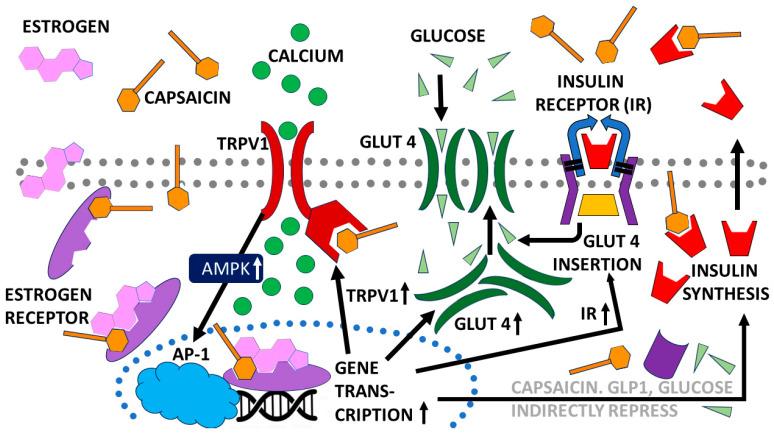
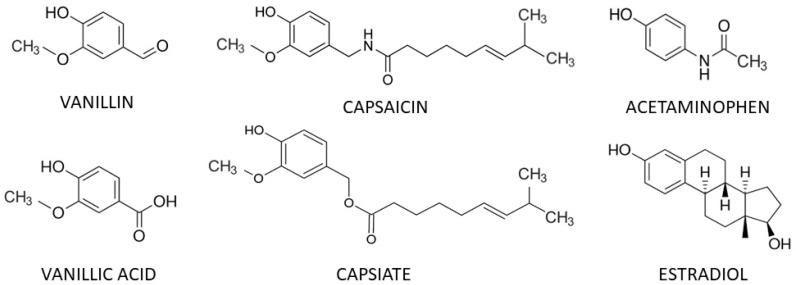
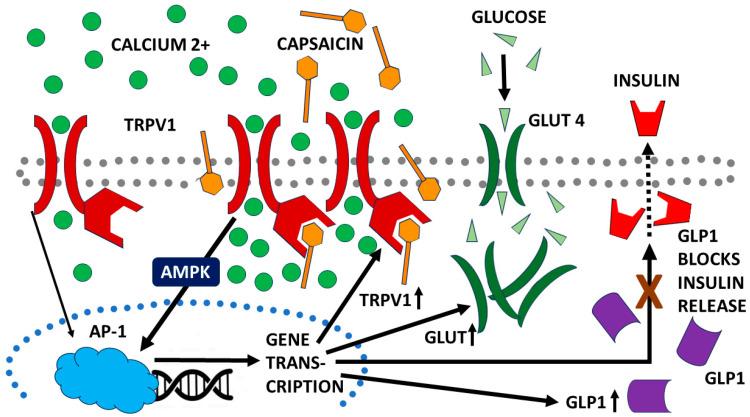
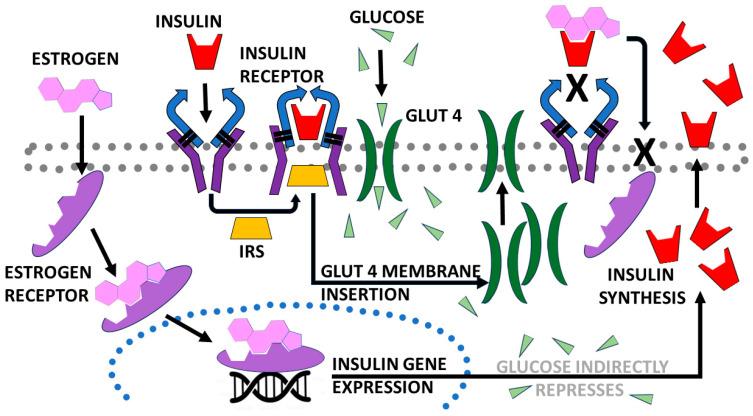
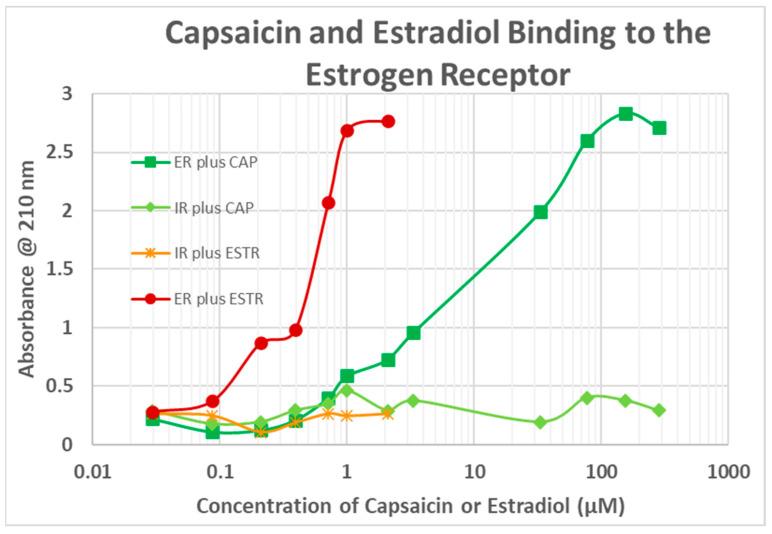
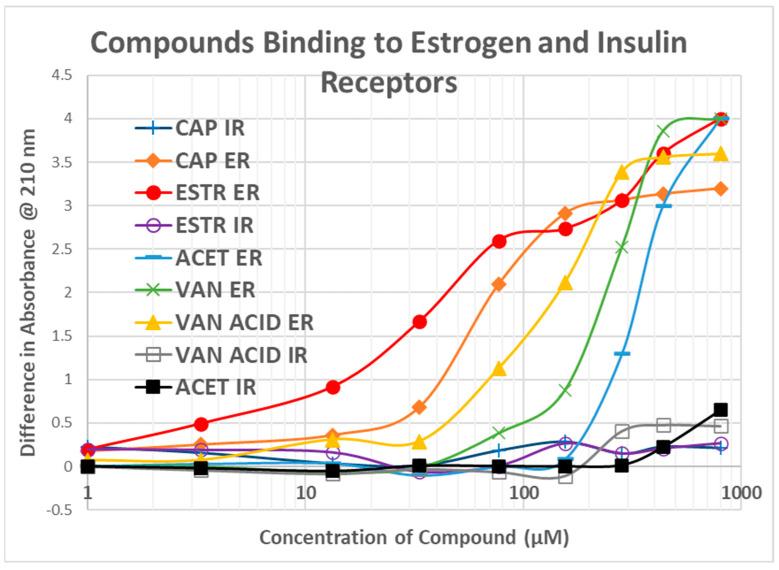
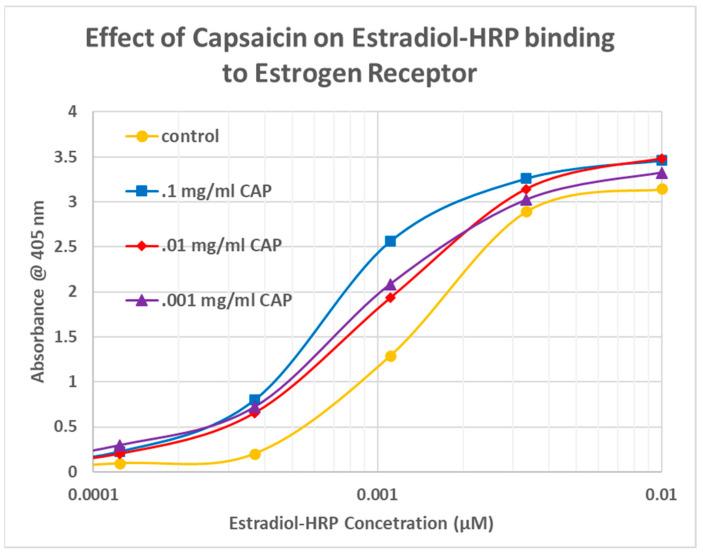
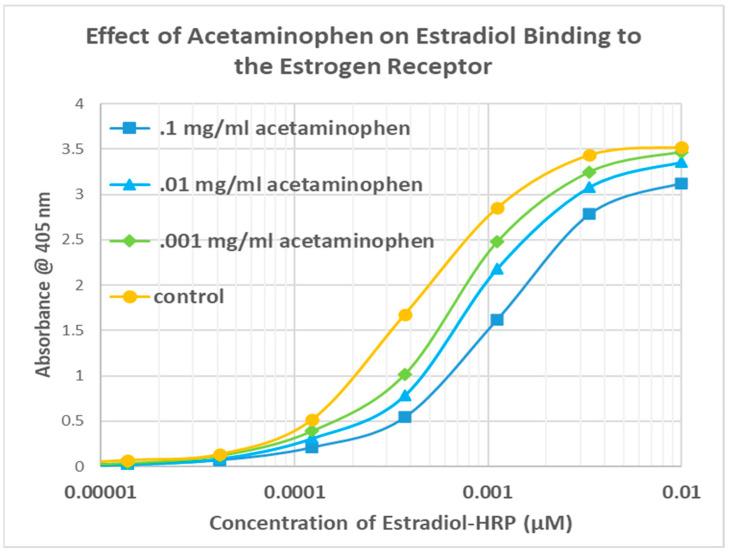
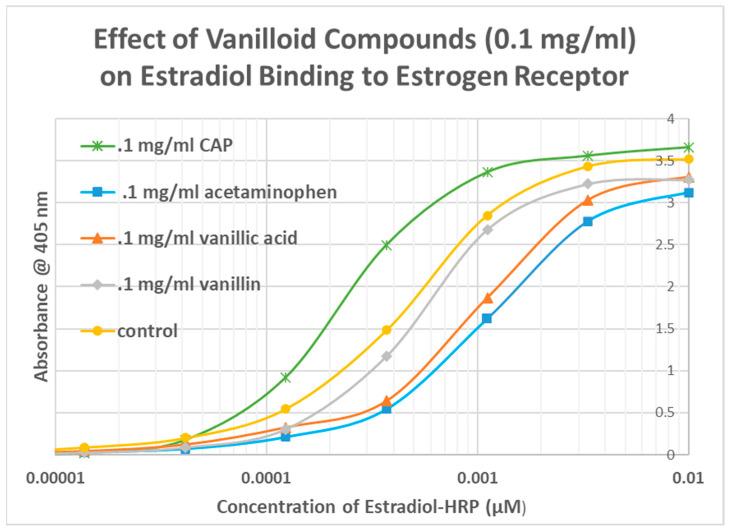
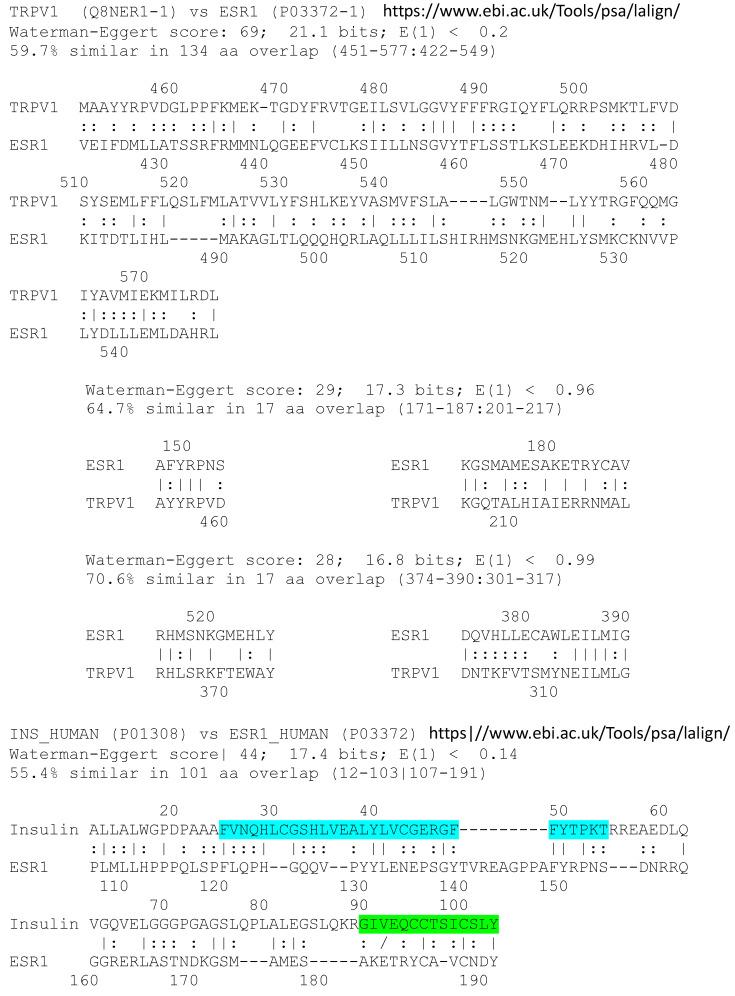
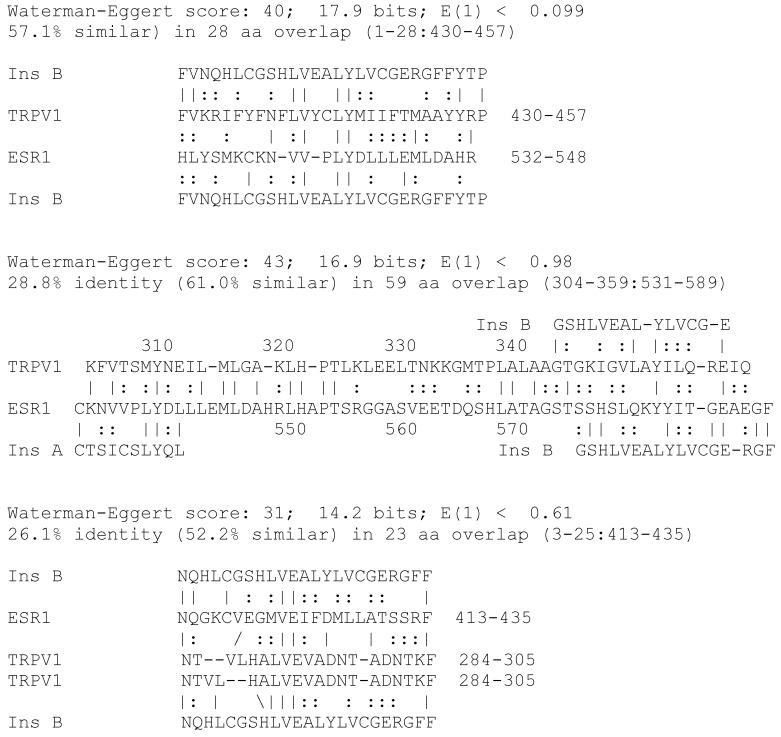
Capsaicin (CAP), the pain-inducing compound in chili peppers, exerts its effects mainly through the transient receptor potential vanilloid channel 1 (TRPV1), which mediates pain perception and some metabolic functions. CAP has also been demonstrated to improve performance in power sports (but not endurance sports) and does so mainly for females. CAP may also have anti-cancer effects. Many mechanisms have been explored to explain these phenomena, particularly the effects of TRPV1 activation for calcium influx, glucose transporter (GLUT) upregulation and inhibition of insulin (INS) production, but two important ones seem to have been missed. We demonstrate here that CAP binds to both INS and to the estrogen receptor (ESR1), enhancing estradiol binding. Other TRPV1 agonists, such as vanillin, vanillic acid and acetaminophen, have either no effect or inhibit estrogen binding. Notably, TRPV1, ESR1 and INS share significant regions of homology that may aid in identifying the CAP-binding site on the ESR1. Because activation of the estrogen receptor upregulates GLUT expression and thereby glucose transport, we propose that the observed enhancement of performance in power sports, particularly among women, may result, in part, from CAP enhancement of ESR1 function and prevent INS degradation. Chronic exposure to CAP, however, may result in downregulation and internalization of ESR1, as well as TRPV1 stimulation of glucagon-like peptide 1 (GLP-1) expression, both of which downregulate GLUT expression, thereby starving cancer cells of glucose. The binding of capsaicin to the ESR1 may also enhance ESR1 antagonists such as tamoxifen, benefiting some cancer patients.
辣椒素(CAP)是辣椒中引起疼痛的化合物,主要通过瞬时受体电位香草酸受体1(TRPV1)发挥作用,该受体介导痛觉感知和一些代谢功能。CAP还被证明能提高力量型运动(而非耐力型运动)的表现,且主要对女性有效。CAP也可能具有抗癌作用。人们已经探索了许多机制来解释这些现象,特别是TRPV1激活对钙内流、葡萄糖转运蛋白(GLUT)上调和胰岛素(INS)产生抑制的影响,但似乎遗漏了两个重要机制。我们在此证明,CAP与INS和雌激素受体(ESR1)都结合,增强雌二醇结合。其他TRPV1激动剂,如香草醛、香草酸和对乙酰氨基酚,要么没有作用,要么抑制雌激素结合。值得注意的是,TRPV1、ESR1和INS具有显著的同源区域,这可能有助于确定ESR1上的CAP结合位点。由于雌激素受体的激活会上调GLUT表达,从而促进葡萄糖转运,我们认为,观察到的力量型运动表现增强,尤其是在女性中,可能部分是由于CAP增强了ESR1功能并防止INS降解。然而,长期接触CAP可能导致ESR1下调和内化,以及TRPV1刺激胰高血糖素样肽1(GLP-1)表达,这两者都会下调GLUT表达,从而使癌细胞缺乏葡萄糖。辣椒素与ESR1的结合也可能增强他莫昔芬等ESR1拮抗剂的作用,使一些癌症患者受益。


 Zotero 插件