
西班牙唐氏综合征和牙周病患者种植失败相关基因表达变化的鉴定
Identification of Alterations in the Expression of Genes Related to the Implant Failure in Spanish Patients with Down Syndrome and Periodontal Disease.
作者信息
Cortés-Eslava Daniela, Gómez-Díaz Raquel, Torres-Lagares Daniel, Machuca-Portillo Guillermo, Gutiérrez-Pérez José-Luis, Serrera-Figallo María-Ángeles, Baus-Domínguez María
机构信息
Department of Stomatology, Faculty of Dentistry, University of Seville, 41009 Seville, Spain.
Institute of Biomedicine of Seville, 41013 Seville, Spain.
出版信息
Genes (Basel). 2025 Jan 22;16(2):122. doi: 10.3390/genes16020122.
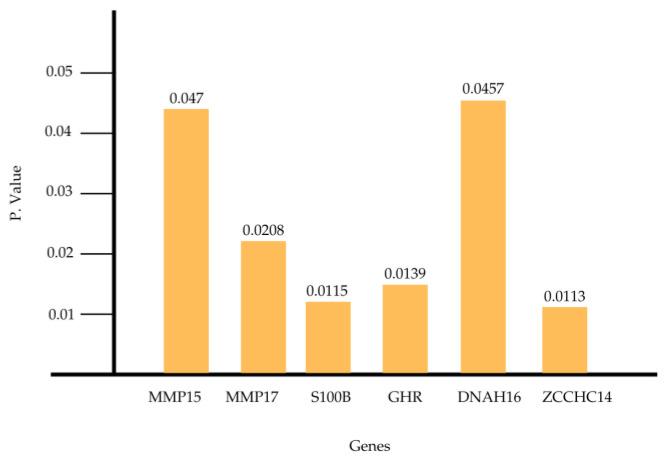
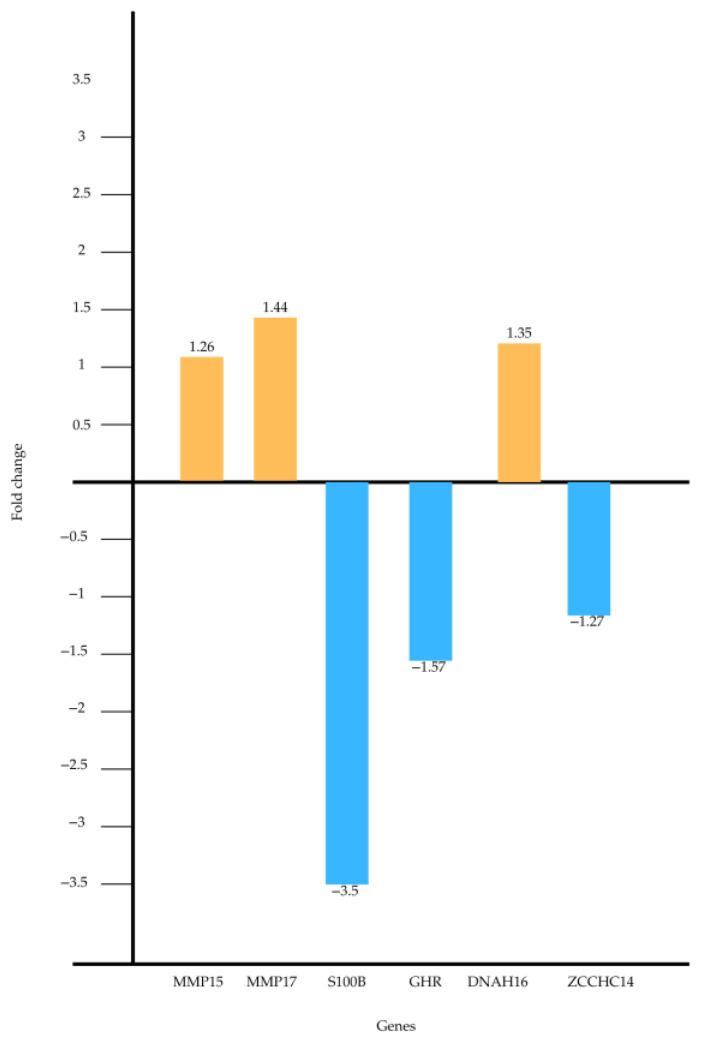
Individuals with Down syndrome exhibit a higher prevalence of periodontal disease, which can lead to implant loss. This study aims to identify genetic markers associated with implant loss in these patients, providing insight into potential predictive and therapeutic approaches. A systematic analysis was conducted, including both clinical and genetic data from Down syndrome patients with a history of dental implants. Genetic profiling was performed using Transcriptome Analysis Console (TAC version 4.0 Applied Biosystems, Thermo Fisher Scientific, Waltham, MA, USA), focusing on genes previously implicated in periodontal disease and bone metabolism. Statistical analysis identified correlations between genetic variants and implant survival rates. The analysis revealed statistically significant alterations in several genes related to inflammation and bone remodeling. Key findings included alterations in the expression of the genes , , , , , and in patients with implant failure. These genetic markers were strongly correlated with compromised osseointegration and implant loss. These findings underline the role of genetic predisposition in the failure of dental implants among individuals with Down syndrome. Genetic markers, particularly those involved in inflammation and bone metabolism, play a critical role in implant loss among Down syndrome patients with periodontal disease. Recognizing these markers can aid in early diagnosis and personalized treatment strategies, potentially improving implant success rates.
唐氏综合征患者患牙周病的几率更高,这可能导致种植体脱落。本研究旨在确定与这些患者种植体脱落相关的基因标记,为潜在的预测和治疗方法提供见解。进行了一项系统分析,包括来自有牙种植史的唐氏综合征患者的临床和基因数据。使用转录组分析控制台(美国马萨诸塞州沃尔瑟姆市赛默飞世尔科技公司应用生物系统部的TAC版本4.0)进行基因分型,重点关注先前与牙周病和骨代谢有关的基因。统计分析确定了基因变异与种植体存活率之间的相关性。分析揭示了与炎症和骨重塑相关的几个基因存在统计学上的显著变化。主要发现包括种植失败患者中、、、、、和基因表达的改变。这些基因标记与骨结合受损和种植体脱落密切相关。这些发现强调了遗传易感性在唐氏综合征患者牙种植失败中的作用。基因标记,特别是那些参与炎症和骨代谢的标记,在患有牙周病的唐氏综合征患者的种植体脱落中起关键作用。识别这些标记有助于早期诊断和个性化治疗策略,可能提高种植成功率。
 Zotero 插件