
持久脑疲劳中的适应原:来自系统生物学和网络药理学的见解
Adaptogens in Long-Lasting Brain Fatigue: An Insight from Systems Biology and Network Pharmacology.
作者信息
Panossian Alexander, Lemerond Terrence, Efferth Thomas
机构信息
Phytomed AB, Sjöstadsvägen 6, 59344 Västervik, Sweden.
EuroPharma USA Inc., Green Bay, WI 54311, USA.
出版信息
Pharmaceuticals (Basel). 2025 Feb 15;18(2):261. doi: 10.3390/ph18020261.
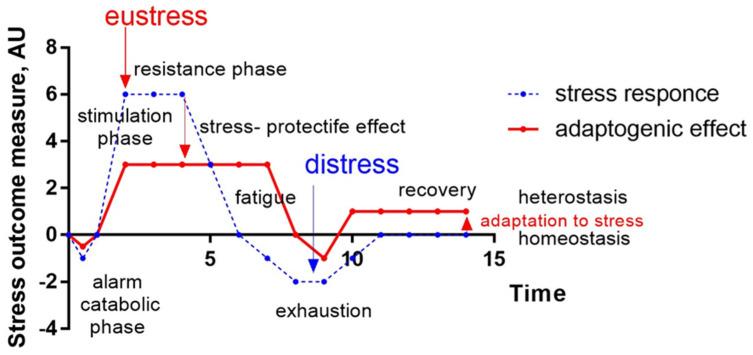
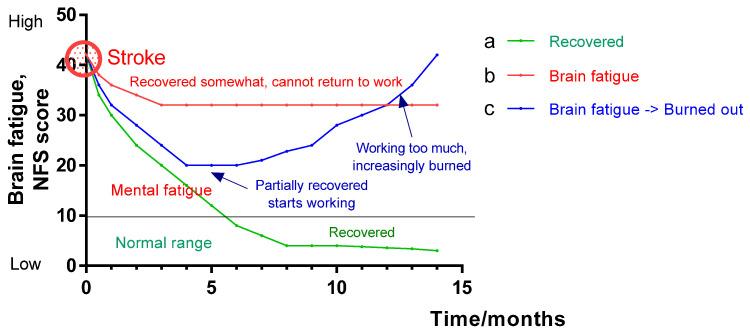
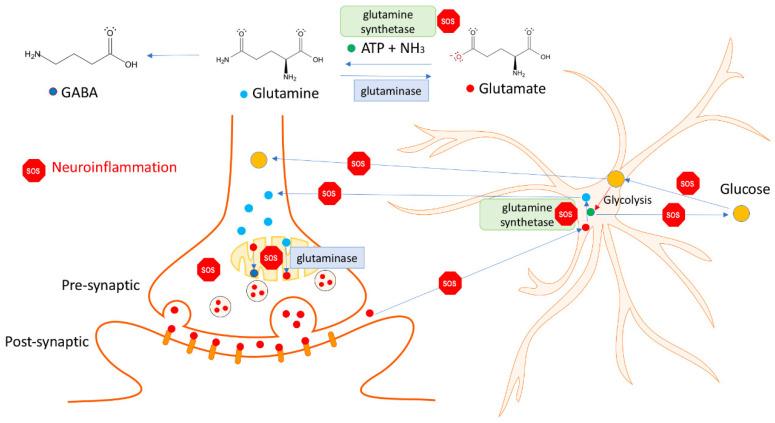
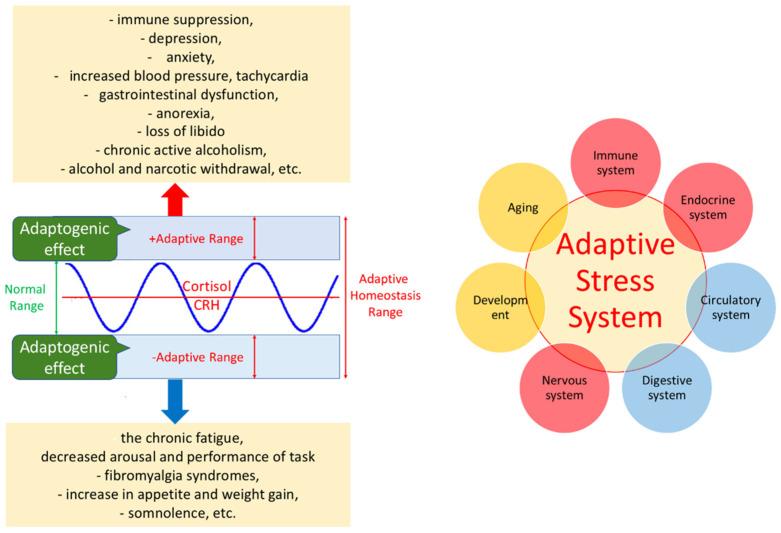
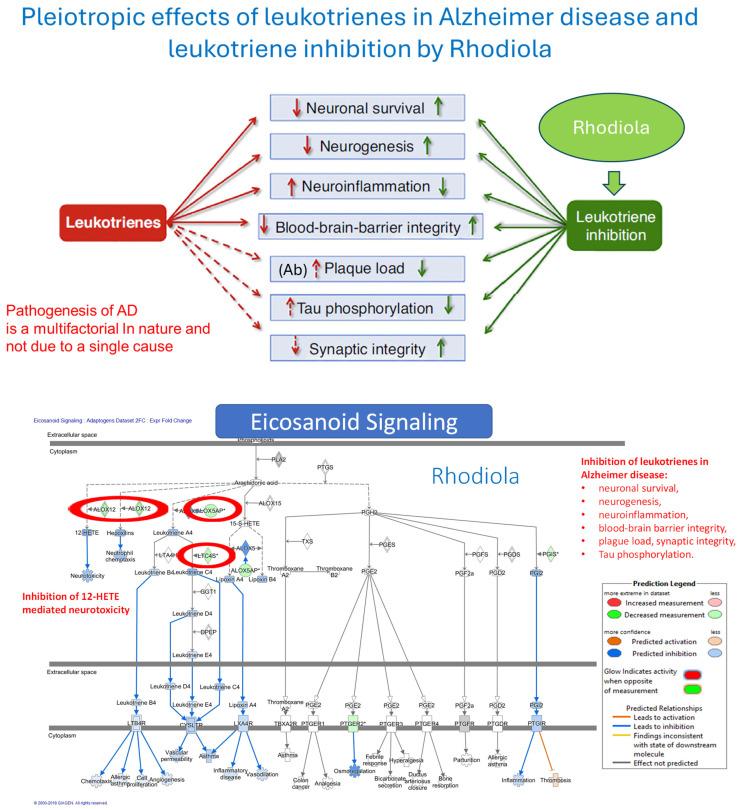
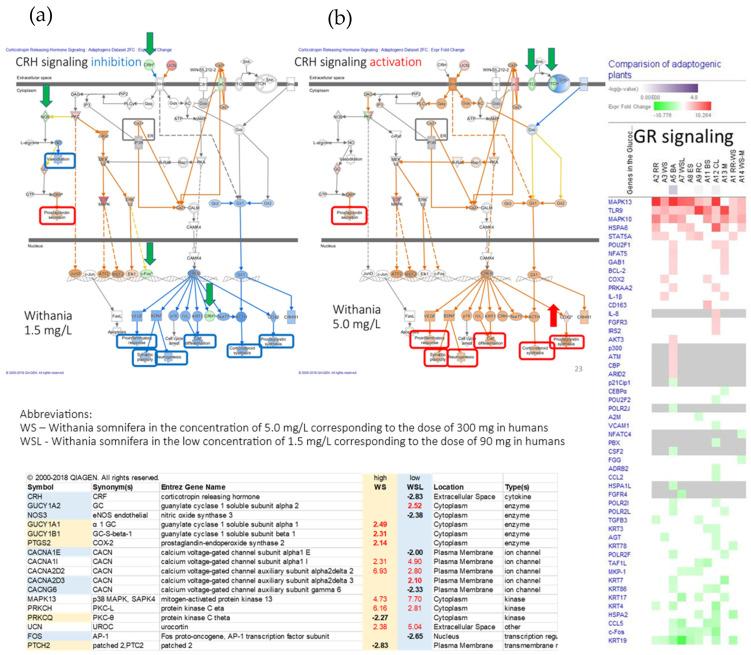
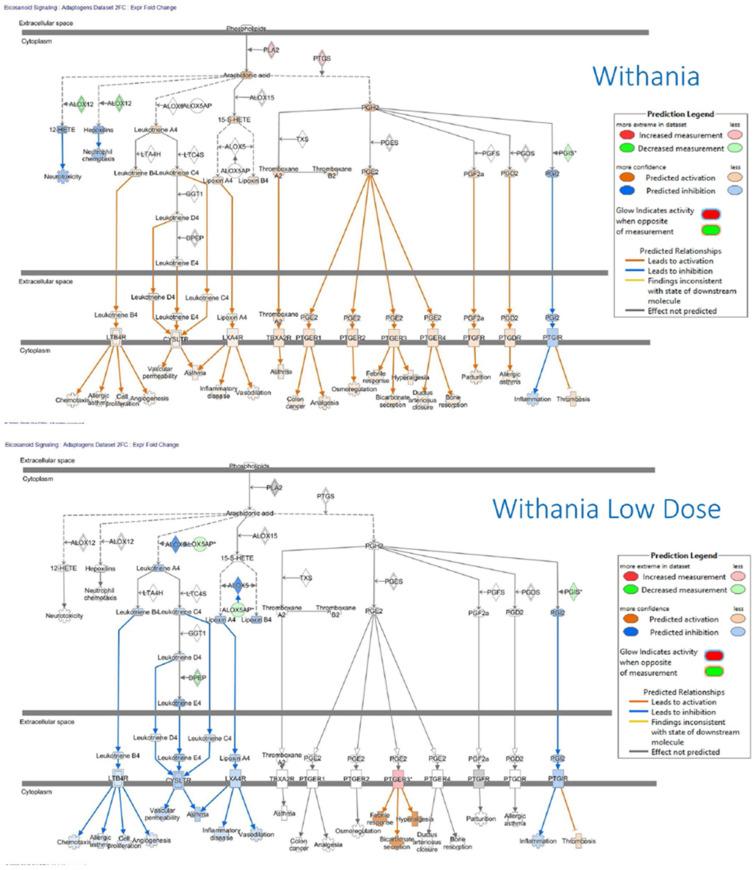
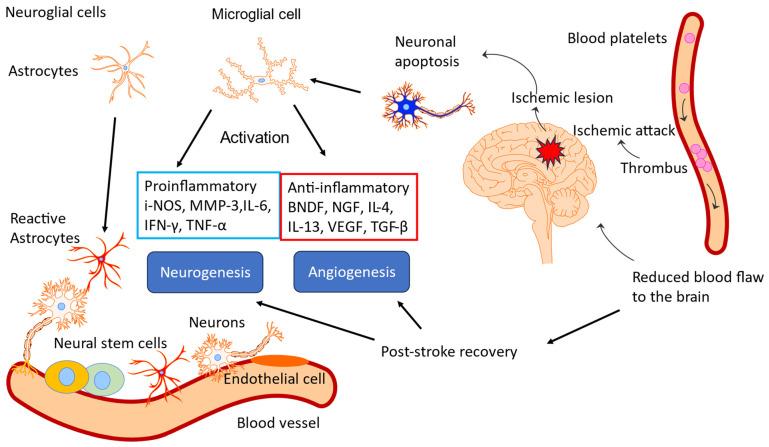
Long-lasting brain fatigue is a consequence of stroke or traumatic brain injury associated with emotional, psychological, and physical overload, distress in hypertension, atherosclerosis, viral infection, and aging-related chronic low-grade inflammatory disorders. The pathogenesis of brain fatigue is linked to disrupted neurotransmission, the glutamate-glutamine cycle imbalance, glucose metabolism, and ATP energy supply, which are associated with multiple molecular targets and signaling pathways in neuroendocrine-immune and blood circulation systems. Regeneration of damaged brain tissue is a long-lasting multistage process, including spontaneously regulating hypothalamus-pituitary (HPA) axis-controlled anabolic-catabolic homeostasis to recover harmonized sympathoadrenal system (SAS)-mediated function, brain energy supply, and deregulated gene expression in rehabilitation. The driving mechanism of spontaneous recovery and regeneration of brain tissue is a cross-talk of mediators of neuronal, microglia, immunocompetent, and endothelial cells collectively involved in neurogenesis and angiogenesis, which plant adaptogens can target. Adaptogens are small molecules of plant origin that increase the adaptability of cells and organisms to stress by interaction with the HPA axis and SAS of the stress system (neuroendocrine-immune and cardiovascular complex), targeting multiple mediators of adaptive GPCR signaling pathways. Two major groups of adaptogens comprise (i) phenolic phenethyl and phenylpropanoid derivatives and (ii) tetracyclic and pentacyclic glycosides, whose chemical structure can be distinguished as related correspondingly to (i) monoamine neurotransmitters of SAS (epinephrine, norepinephrine, and dopamine) and (ii) steroid hormones (cortisol, testosterone, and estradiol). In this narrative review, we discuss (i) the multitarget mechanism of integrated pharmacological activity of botanical adaptogens in stress overload, ischemic stroke, and long-lasting brain fatigue; (ii) the time-dependent dual response of physiological regulatory systems to adaptogens to support homeostasis in chronic stress and overload; and (iii) the dual dose-dependent reversal (hormetic) effect of botanical adaptogens. This narrative review shows that the adaptogenic concept cannot be reduced and rectified to the various effects of adaptogens on selected molecular targets or specific modes of action without estimating their interactions within the networks of mediators of the neuroendocrine-immune complex that, in turn, regulates other pharmacological systems (cardiovascular, gastrointestinal, reproductive systems) due to numerous intra- and extracellular communications and feedback regulations. These interactions result in polyvalent action and the pleiotropic pharmacological activity of adaptogens, which is essential for characterizing adaptogens as distinct types of botanicals. They trigger the defense adaptive stress response that leads to the extension of the limits of resilience to overload, inducing brain fatigue and mental disorders. For the first time, this review justifies the neurogenesis potential of adaptogens, particularly the botanical hybrid preparation (BHP) of Arctic Root and Ashwagandha, providing a rationale for potential use in individuals experiencing long-lasting brain fatigue. The review provided insight into future research on the network pharmacology of adaptogens in preventing and rehabilitating long-lasting brain fatigue following stroke, trauma, and viral infections.
长期的脑疲劳是中风或创伤性脑损伤的结果,与情绪、心理和身体超负荷、高血压、动脉粥样硬化、病毒感染以及与衰老相关的慢性低度炎症性疾病引起的不适有关。脑疲劳的发病机制与神经传递中断、谷氨酸 - 谷氨酰胺循环失衡、葡萄糖代谢和ATP能量供应有关,这些与神经内分泌 - 免疫和血液循环系统中的多个分子靶点和信号通路相关。受损脑组织的再生是一个长期的多阶段过程,包括自发调节下丘脑 - 垂体(HPA)轴控制的合成代谢 - 分解代谢稳态,以恢复交感肾上腺系统(SAS)介导的协调功能、脑能量供应,并在康复过程中使失调的基因表达正常化。脑组织自发恢复和再生的驱动机制是神经元、小胶质细胞、免疫活性细胞和内皮细胞的介质之间的相互作用,这些细胞共同参与神经发生和血管生成,而植物适应原可以靶向这些细胞。适应原是源自植物的小分子,通过与应激系统(神经内分泌 - 免疫和心血管复合体)的HPA轴和SAS相互作用,增加细胞和生物体对应激的适应性,靶向适应性GPCR信号通路的多种介质。适应原主要分为两大类:(i)酚类苯乙胺和苯丙素衍生物,以及(ii)四环和五环糖苷,其化学结构可分别对应于(i)SAS的单胺神经递质(肾上腺素、去甲肾上腺素和多巴胺)和(ii)类固醇激素(皮质醇、睾酮和雌二醇)。在这篇叙述性综述中,我们讨论了:(i)植物适应原在应激过载、缺血性中风和长期脑疲劳中的综合药理活性的多靶点机制;(ii)生理调节系统对适应原的时间依赖性双重反应,以支持慢性应激和过载中的稳态;以及(iii)植物适应原的双剂量依赖性逆转( hormetic)效应。这篇叙述性综述表明,如果不评估适应原在神经内分泌 - 免疫复合体介质网络中的相互作用,就无法将适应原的概念简化和纠正为其对选定分子靶点的各种作用或特定作用模式,而这些介质网络又由于众多细胞内和细胞间的通讯及反馈调节而调节其他药理系统(心血管、胃肠道、生殖系统)。这些相互作用导致适应原的多价作用和多效药理活性,这对于将适应原表征为不同类型的植物至关重要。它们触发防御性适应性应激反应,从而扩大对过载的恢复力极限,并引发脑疲劳和精神障碍。本综述首次证明了适应原,特别是北极根和南非醉茄的植物混合制剂(BHP)的神经发生潜力,为其在长期脑疲劳个体中的潜在应用提供了理论依据。该综述为适应原网络药理学在预防和康复中风、创伤和病毒感染后的长期脑疲劳方面的未来研究提供了见解。







 Zotero 插件