
开发针对感染的基于T细胞表位的疫苗:具有挑战性但值得一做。
Developing T Cell Epitope-Based Vaccines Against Infection: Challenging but Worthwhile.
作者信息
Tang Xian, Zhang Wei, Zhang Zheng
机构信息
The Second Affiliated Hospital, School of Medicine, Southern University of Science and Technology, Institute for Hepatology, National Clinical Research Center for Infectious Disease, Shenzhen Third People's Hospital, Shenzhen 518112, China.
Guangdong Key Laboratory for Anti-Infection Drug Quality Evaluation, Shenzhen 518112, China.
出版信息
Vaccines (Basel). 2025 Jan 28;13(2):135. doi: 10.3390/vaccines13020135.
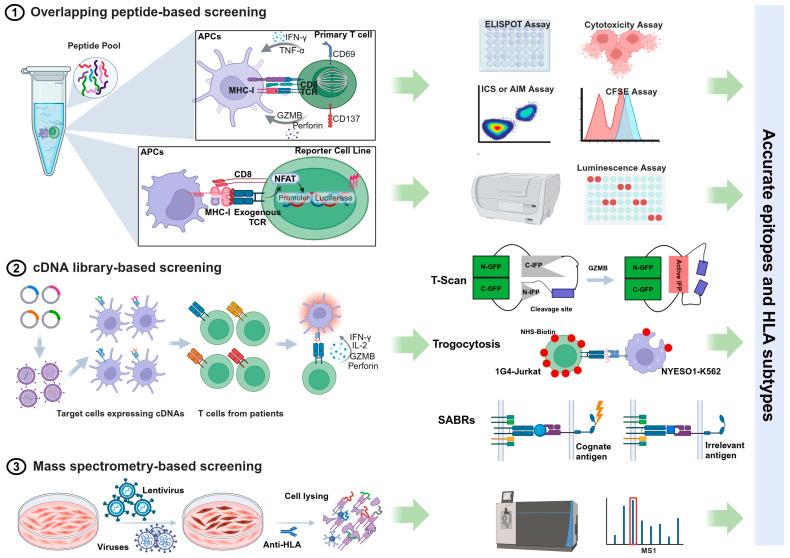
T cell epitope-based vaccines are designed to elicit long-lived pathogen-specific memory T cells that can quickly activate protective effector functions in response to subsequent infections. These vaccines have the potential to provide sustained protection against mutated variants, such as severe acute respiratory syndrome coronavirus 2 (SARS-CoV-2), which are increasingly capable of evading neutralizing antibodies. Recent advancements in epitope discovery, T cell receptor analysis, and bioinformatics have enabled the precise selection of epitopes and the sophisticated design of epitope-based vaccines. This review outlines the development process for T cell epitope-based vaccines. We summarize the current progress in T cell epitope discovery technologies, highlighting the advantages and disadvantages of each method. We also examine advancements in the design and optimization of epitope-based vaccines, particularly through bioinformatics tools. Additionally, we discuss the challenges of validating the accurate processing and presentation of individual epitopes and establishing suitable rodent models to evaluate vaccine immunogenicity and protective efficacy.
基于T细胞表位的疫苗旨在引发长寿的病原体特异性记忆T细胞,这些记忆T细胞能够在后续感染时迅速激活保护性效应功能。这些疫苗有可能提供针对变异毒株的持续保护,例如严重急性呼吸综合征冠状病毒2(SARS-CoV-2),其越来越能够逃避中和抗体。表位发现、T细胞受体分析和生物信息学方面的最新进展使得能够精确选择表位并进行基于表位的疫苗的精细设计。本综述概述了基于T细胞表位的疫苗的开发过程。我们总结了T细胞表位发现技术的当前进展,突出了每种方法的优缺点。我们还研究了基于表位的疫苗设计和优化方面的进展,特别是通过生物信息学工具。此外,我们讨论了验证单个表位的准确加工和呈递以及建立合适的啮齿动物模型以评估疫苗免疫原性和保护效力所面临的挑战。
 Zotero 插件