
木犀草素:探索其在肺部疾病中的治疗潜力和分子机制
Luteolin: exploring its therapeutic potential and molecular mechanisms in pulmonary diseases.
作者信息
Lv Jialian, Song Xinyue, Luo Zixin, Huang Duoqin, Xiao Li, Zou Kang
机构信息
The First Clinical Medical College, Gannan Medical University, Ganzhou, Jiangxi, China.
Department of Rehabilitation Medicine, The First Affiliated Hospital of Gannan Medical University, Ganzhou, Jiangxi, China.
出版信息
Front Pharmacol. 2025 Feb 12;16:1535555. doi: 10.3389/fphar.2025.1535555. eCollection 2025.
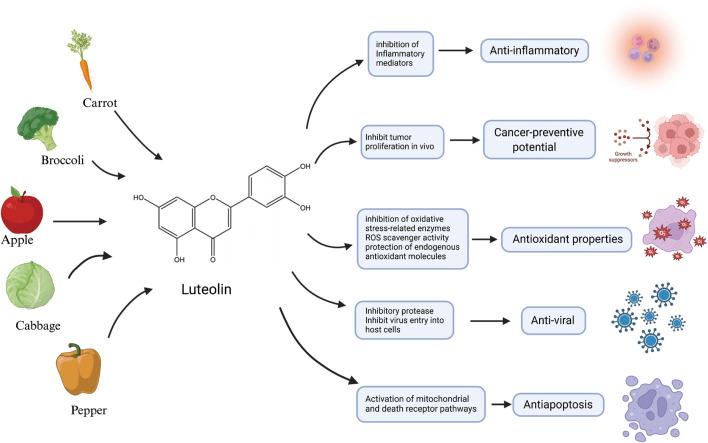
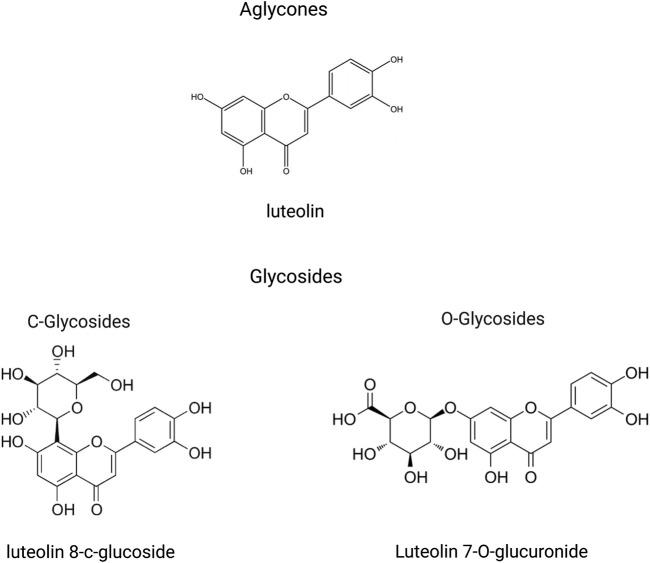
Luteolin is a flavonoid widely found in plants, including vegetables, botanical drugs, and fruits. Owing to its diverse pharmacological activities, such as anticancer, oxidative stress protection, anti-inflammatory, and neuron-preserving effects, luteolin has attracted attention in research and medicine. Luteolin exhibits therapeutic effects on various pulmonary disease models through multiple molecular mechanisms; these include inhibition of activation of the PI3K/Akt-mediated Nuclear Factor kappa-B (NF-κB) and MAPK signaling pathways, as well as the promotion of regulatory T cell (Treg) function and enhancement of alveolar epithelial sodium channel (ENaC) activity (alleviating inflammation and oxidative stress responses). Luteolin has therapeutic effects on chronic obstructive pulmonary disease (COPD), acute lung injury/acute respiratory distress syndrome (ALI/ARDS), pulmonary fibrosis, allergic asthma, and lung cancer. Luteolin, a naturally occurring polyphenol, is poorly water-soluble. The oral route may be ineffective because the gut poorly absorbs this type of flavonoid. Therefore, although luteolin exhibits significant biological activity, its clinical application is limited by challenges associated with its poor water solubility and low bioavailability, which are critical factors for its efficacy and pharmacological application. These challenges can be addressed by modifying the chemical structure and enhancing pharmaceutical formulations. We summarized the research advancements in improving the solubility and bioavailability of luteolin, as well as the effects of luteolin on various pulmonary diseases and their related mechanisms, with the aim of providing new ideas for researchers.
木犀草素是一种广泛存在于植物中的黄酮类化合物,包括蔬菜、植物药和水果。由于其具有多种药理活性,如抗癌、氧化应激保护、抗炎和神经保护作用,木犀草素在研究和医学领域引起了关注。木犀草素通过多种分子机制对各种肺部疾病模型具有治疗作用;这些机制包括抑制PI3K/Akt介导的核因子κB(NF-κB)和丝裂原活化蛋白激酶(MAPK)信号通路的激活,以及促进调节性T细胞(Treg)功能和增强肺泡上皮钠通道(ENaC)活性(减轻炎症和氧化应激反应)。木犀草素对慢性阻塞性肺疾病(COPD)、急性肺损伤/急性呼吸窘迫综合征(ALI/ARDS)、肺纤维化、过敏性哮喘和肺癌具有治疗作用。木犀草素是一种天然存在的多酚,水溶性较差。口服途径可能无效,因为肠道对这类黄酮类化合物的吸收较差。因此,尽管木犀草素具有显著的生物活性,但其临床应用受到其水溶性差和生物利用度低的挑战的限制,而这些是其疗效和药理应用的关键因素。可以通过修饰化学结构和改进药物制剂来解决这些挑战。我们总结了提高木犀草素溶解度和生物利用度的研究进展,以及木犀草素对各种肺部疾病的影响及其相关机制,旨在为研究人员提供新思路。



 Zotero 插件