
用病毒性出血性败血症病毒(VHSV)攻击虹鳟(Oncorhynchus mykiss)后的转录组学和生物统计学参数分析
Transcriptomic and biometric parameters analysis in rainbow trout (Oncorhynchus mykiss) challenged with viral hemorrhagic septicemia virus (VHSV).
作者信息
Ghaderzadeh Mohammad, Rahimi-Mianji Ghodrat, Nejati-Javaremi Ardeshir, Shahbazian Nastaran
机构信息
Laboratory for Molecular Genetics and Animal Biotechnology, Faculty of Animal Sciences and Fisheries, Sari Agricultural Sciences and Natural Resources University, Sari, Iran.
Department of Animal Science, University College of Agriculture and Natural Resources, University of Tehran, Karaj, Iran.
出版信息
BMC Genomics. 2025 Feb 28;26(1):204. doi: 10.1186/s12864-025-11300-x.
BACKGROUND
Viral hemorrhagic septicemia virus (VHSV) is a highly pathogenic virus that poses a significant threat to the health of diverse marine species. Among these, trout species, particularly rainbow trout (Oncorhynchus mykiss), are highly susceptible. This study evaluated the effects of VHSV infection on the biometric traits of rainbow trout and investigated the molecular mechanisms associated with the disease.
RESULTS
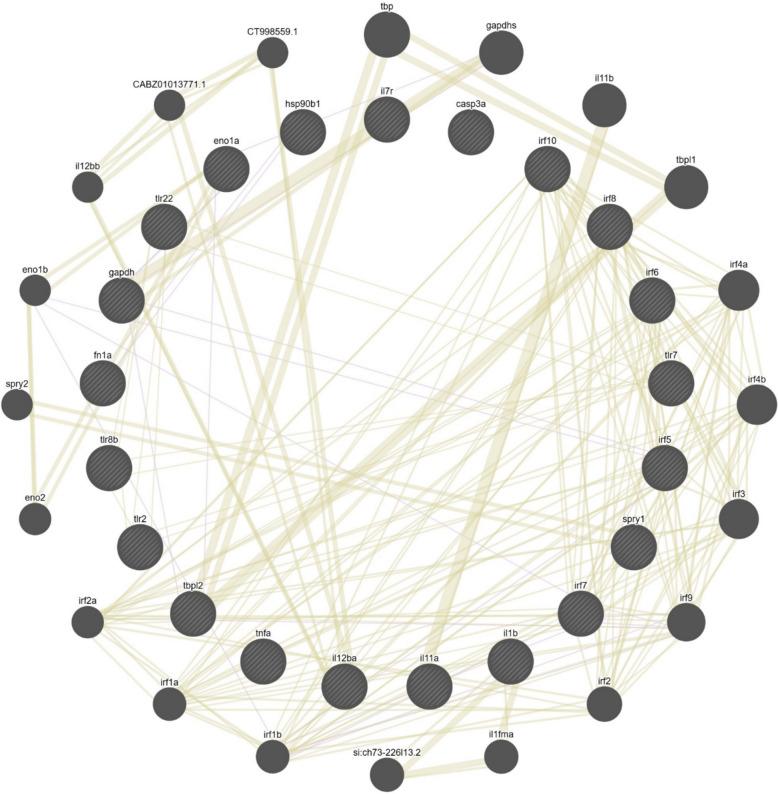
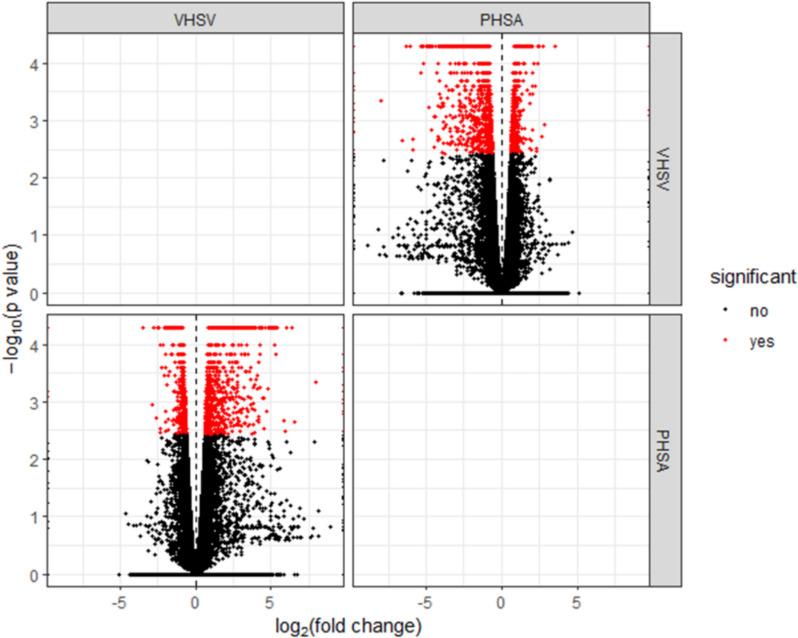
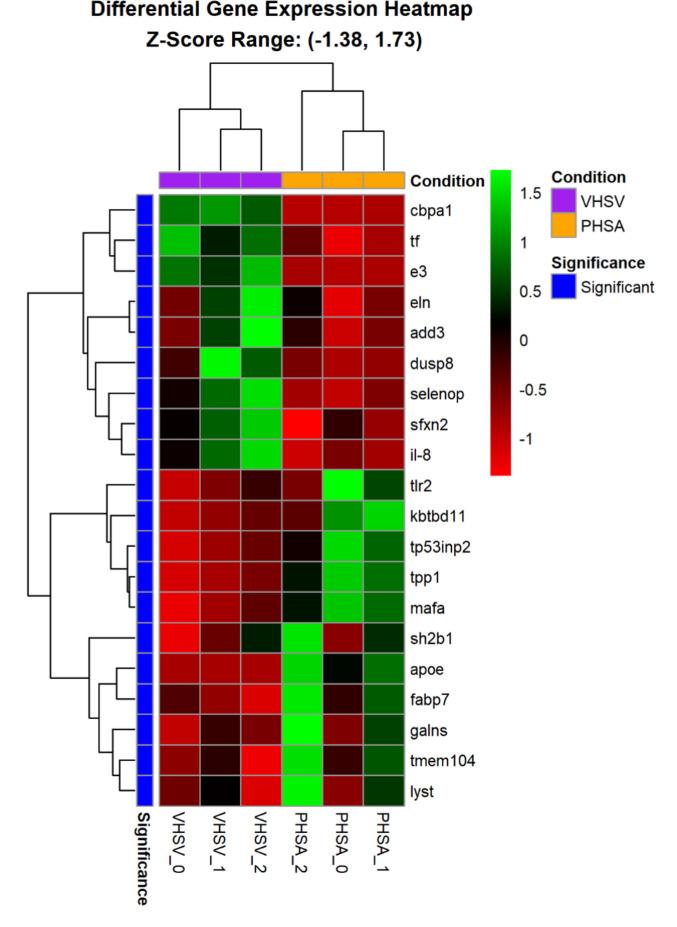
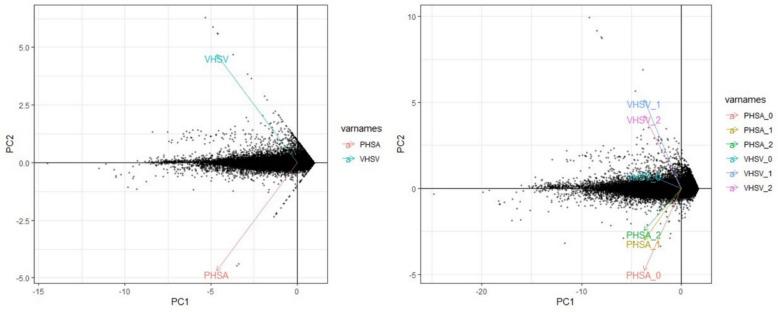
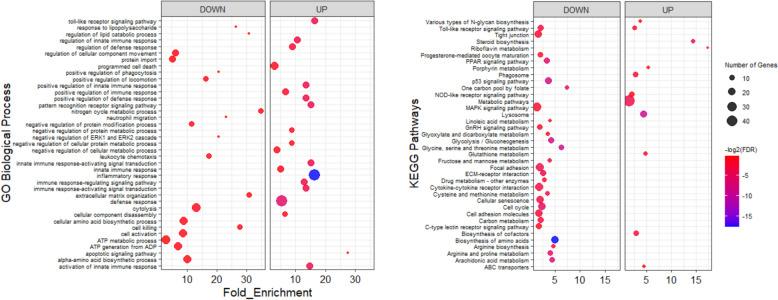
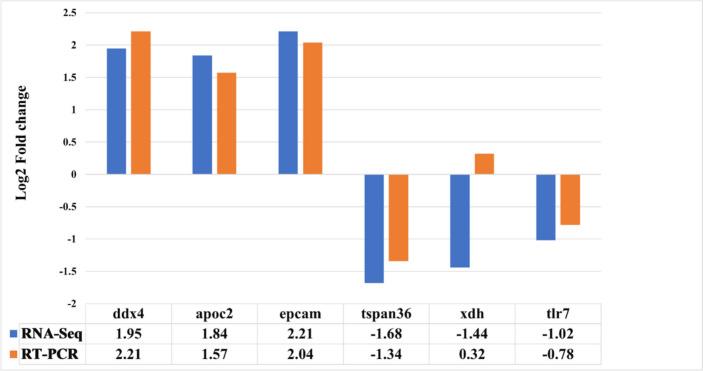
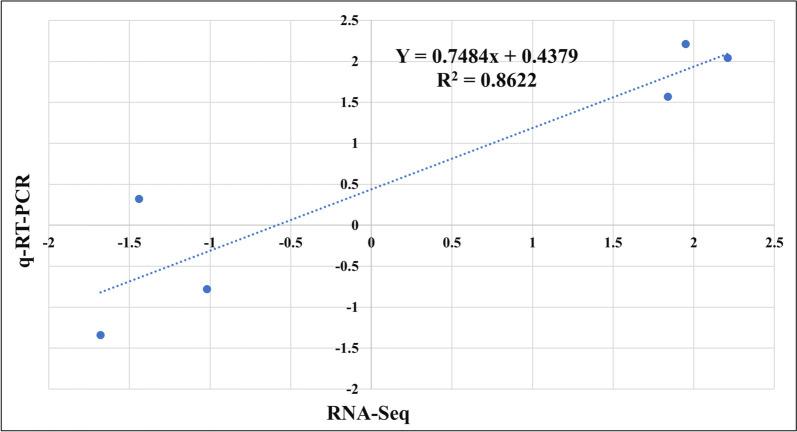
Biometric traits of fish were collected and documented weekly during the fourth and fifth weeks of the experiment. A statistically significant difference in body weight was observed in the fifth week, particularly between the control group and the groups injected with either physiological saline or the virus. Additionally, body length-related attributes showed significant variation across all treatment groups within the designated timeframe. RNA was extracted from spleen tissue of the group injected with high doses of physiological saline and the group injected with high doses of the virus using the TRIzol protocol. Differential gene expression analysis revealed 1,726 genes with significant differences between the two groups. Several key immune-related genes were identified, including TLR2, TLR7, TLR8, TLR22, IRF5, IRF6, IRF7, IRF8, IRF10, IL11a, IL12B, IL1b, IL7R, ILR1 II, HSP90B1, HSP47, TNF-α, TRF3, SPRY1, CASP3, FN1, GAPDH, and IgGFc-binding proteins. Network-based analysis of differentially expressed genes was conducted using the GeneMANIA module in Cytoscape, and metabolic pathways were identified through the DAVID database. The results highlighted the involvement of key pathways, including the Toll-like receptor pathway, p53 signaling pathway, PPAR signaling pathway, and the cell cycle, in the infected group. Validation tests for selected upregulated (EPCAM, APOC2 and XDD4) and downregulated (TLR7, XDH, and TSPAN36) candidate genes, were conducted using qRT-PCR. The qPCR results showed a strong and statistically significant correlation with the RNA-seq data, confirming the reliability of the findings.
CONCLUSIONS
VHSV significantly impacts the growth of rainbow trout, affecting both body length and gene expression. This study underscores the substantial economic risks posed by the virus and the absence of an effective cure, highlighting the importance of preventative measures. Additionally, potential resistance genes and pathways were identified through RNA sequencing, providing valuable insights for improving trout breeding programs.
背景
病毒性出血性败血症病毒(VHSV)是一种高致病性病毒,对多种海洋物种的健康构成重大威胁。其中,鲑鱼品种,特别是虹鳟鱼(Oncorhynchus mykiss),高度易感。本研究评估了VHSV感染对虹鳟鱼生物学特征的影响,并研究了与该疾病相关的分子机制。
结果
在实验的第四周和第五周每周收集并记录鱼的生物学特征。在第五周观察到体重存在统计学上的显著差异,特别是在对照组与注射生理盐水或病毒的组之间。此外,在指定时间范围内,所有处理组的体长相关属性均表现出显著差异。使用TRIzol方法从注射高剂量生理盐水的组和注射高剂量病毒的组的脾脏组织中提取RNA。差异基因表达分析显示两组之间有1726个基因存在显著差异。鉴定出了几个关键的免疫相关基因,包括TLR2、TLR7、TLR8、TLR22、IRF5、IRF6、IRF7、IRF8、IRF10、IL11a、IL12B、IL1b、IL7R、ILR1 II、HSP90B1、HSP47、TNF-α、TRF3、SPRY1、CASP3、FN1、GAPDH和IgGFc结合蛋白。使用Cytoscape中的GeneMANIA模块对差异表达基因进行基于网络的分析,并通过DAVID数据库鉴定代谢途径。结果突出了感染组中关键途径的参与,包括Toll样受体途径、p53信号通路、PPAR信号通路和细胞周期。使用qRT-PCR对选定的上调(EPCAM、APOC2和XDD4)和下调(TLR7、XDH和TSPAN36)候选基因进行验证测试。qPCR结果与RNA-seq数据显示出强烈的统计学显著相关性,证实了研究结果的可靠性。
结论
VHSV对虹鳟鱼的生长有显著影响,影响体长和基因表达。本研究强调了该病毒带来的巨大经济风险以及缺乏有效治疗方法,突出了预防措施的重要性。此外,通过RNA测序鉴定了潜在的抗性基因和途径,为改进鲑鱼育种计划提供了有价值的见解。

 Zotero 插件