
印度尼西亚日惹班图尔居民区环境健康风险及颗粒物暴露对人体健康的影响
Environmental health risks and impacts of PM exposure on human health in residential areas, Bantul, Yogyakarta, Indonesia.
作者信息
Abidin Azham Umar, Munawaroh Anisful Lailil, Rosinta Aulia, Sulistiyani Arvi Tri, Ardianta Iwan, Iresha Fajri Mulya
机构信息
Department of Environmental Engineering, Faculty of Civil Engineering and Planning, Universitas Islam Indonesia, Indonesia.
Department of Information and Medical Service, Vocational School, Applied Master's Program in Occupational Health and Safety, Universitas Gadjah Mada, Indonesia.
出版信息
Toxicol Rep. 2025 Feb 5;14:101949. doi: 10.1016/j.toxrep.2025.101949. eCollection 2025 Jun.
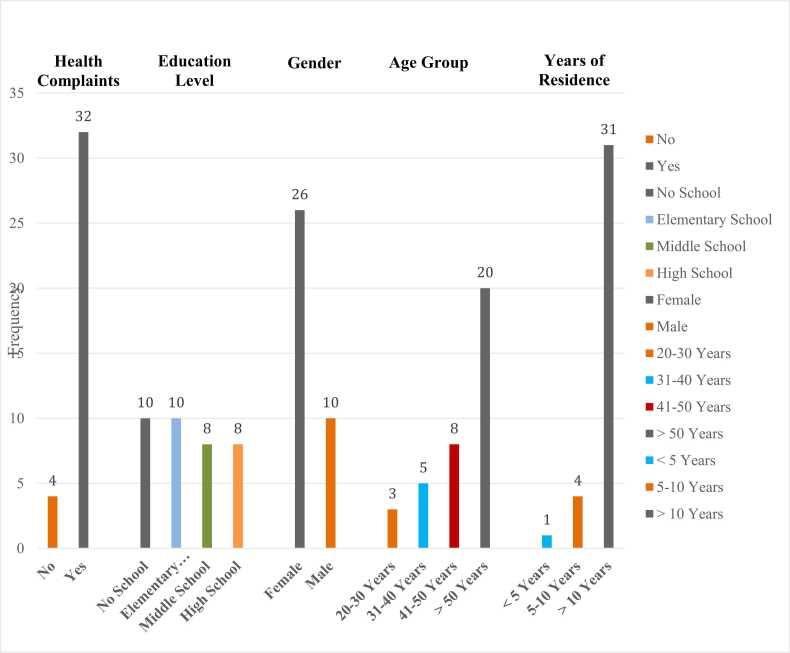
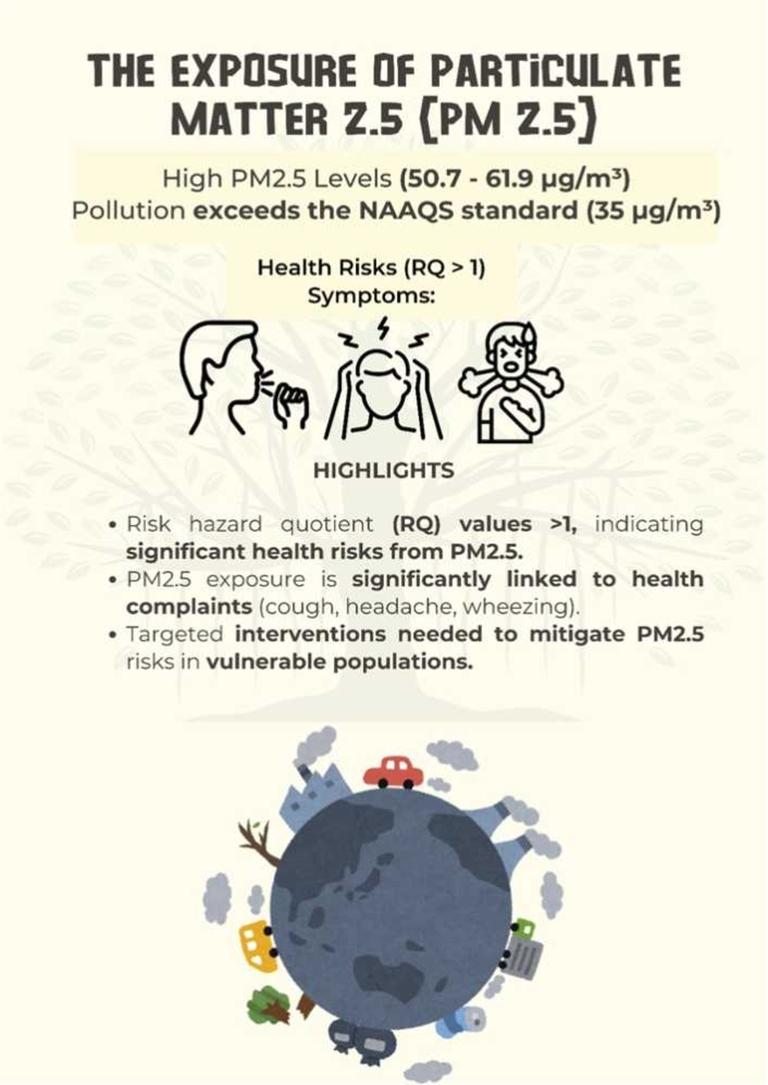
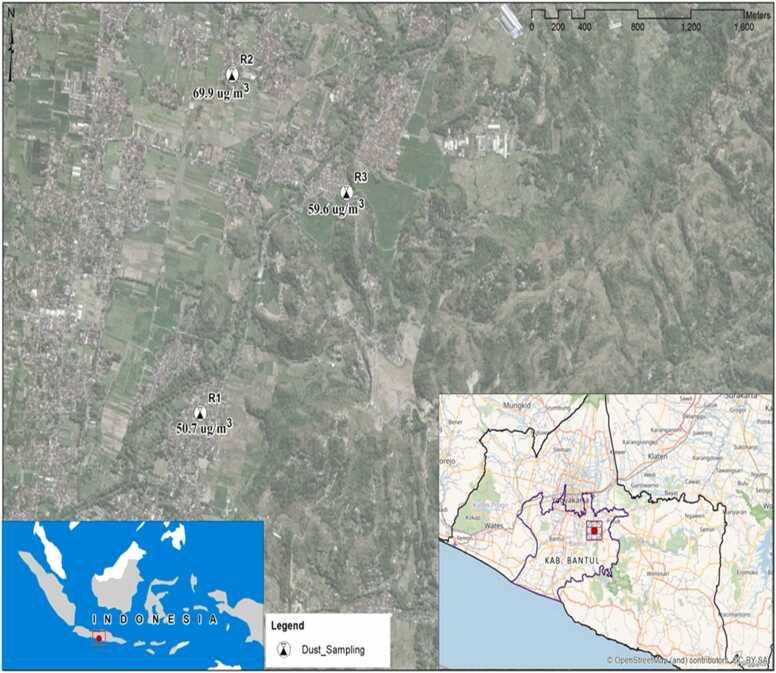
Air pollution, particularly PM, significantly impacts public health in developing areas. This study evaluates PM exposure among residents and conducts a health risk assessment within the human community in Bantul Regency, Indonesia, utilizing a high-volume air sampler (HVAS) over 24 h in a residential area and interviewing 36 respondents. The findings of this study show that PM concentrations varied from 50.7 to 61.9 μg/m³, exceeding the national ambient air quality standards (NAAQS) of 35 μg/m³. The risk hazard quotient (RQ) values of PM were greater than 1, signifying considerable health risk. Epidemiological statistical analysis indicates a significant correlation (p-value < 0.05) between PM exposure, health complaints, and respondent characteristics. Residents report health issues including cough, headache, eye irritation, breathlessness, and wheezing. The findings emphasize the imperative for more rigorous air quality standards and regulations, enhanced public awareness and education regarding preventive practices, and urban planning development strategies incorporating green infrastructure. These measures are crucial for alleviating health hazards and enhancing air quality in impacted areas.
空气污染,尤其是细颗粒物(PM),对发展中地区的公众健康产生重大影响。本研究评估了印度尼西亚班图尔摄政区居民的PM暴露情况,并在该地区的人类社区内进行了健康风险评估,在一个居民区使用大容量空气采样器(HVAS)进行了24小时采样,并对36名受访者进行了访谈。本研究结果表明,PM浓度在50.7至61.9μg/m³之间变化,超过了35μg/m³的国家环境空气质量标准(NAAQS)。PM的风险危害商(RQ)值大于1,表明存在相当大的健康风险。流行病学统计分析表明,PM暴露、健康投诉和受访者特征之间存在显著相关性(p值<0.05)。居民报告了包括咳嗽、头痛、眼睛刺激、呼吸急促和喘息在内的健康问题。研究结果强调,必须制定更严格的空气质量标准和法规,提高公众对预防措施的认识和教育,并制定纳入绿色基础设施的城市规划发展战略。这些措施对于减轻受影响地区的健康危害和改善空气质量至关重要。
 Zotero 插件