
撒哈拉沙尘和基因变异对哮喘患者细菌/真菌平衡的影响。
Impact of Saharan Dust and Gene Variants on Bacterial/Fungal Balance in Asthma Patients.
作者信息
Escuela-Escobar Ainhoa, Perez-Garcia Javier, Martín-González Elena, González Martín Cristina, Hernández-Pérez José M, González Pérez Ruperto, Sánchez Machín Inmaculada, Poza Guedes Paloma, Mederos-Luis Elena, Pino-Yanes María, Lorenzo-Díaz Fabian, González Carracedo Mario A, Pérez Pérez José A
机构信息
Instituto Universitario de Enfermedades Tropicales y Salud Pública de Canarias (IUETSPC), Universidad de La Laguna (ULL), 38200 San Cristóbal de La Laguna, Spain.
Genomics and Health Group, Department of Biochemistry, Microbiology, Cell Biology and Genetics, Universidad de La Laguna (ULL), 38200 San Cristóbal de La Laguna, Spain.
出版信息
Int J Mol Sci. 2025 Feb 27;26(5):2158. doi: 10.3390/ijms26052158.
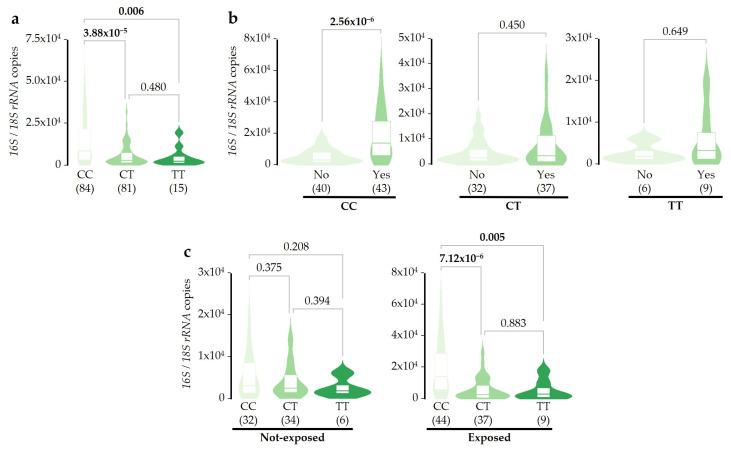
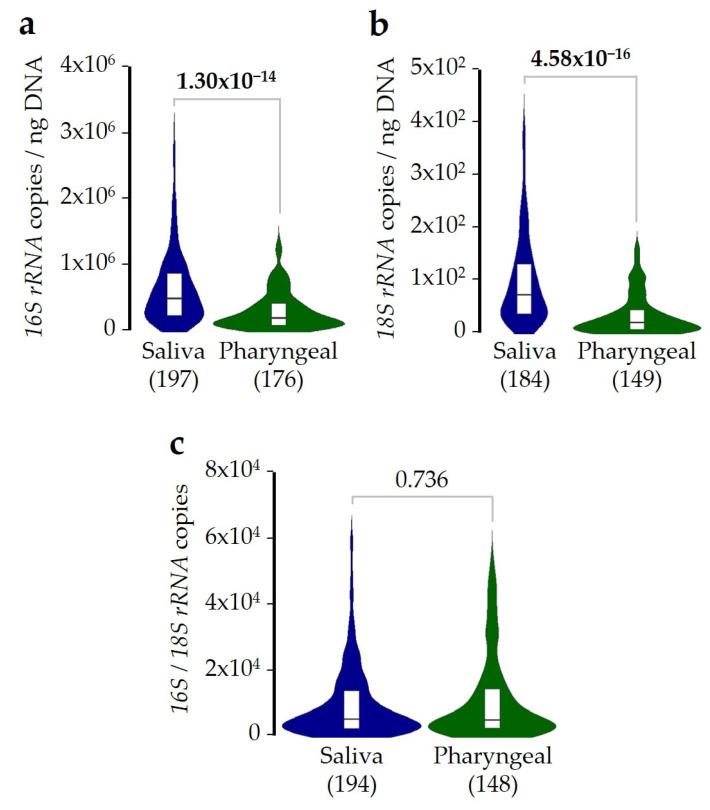
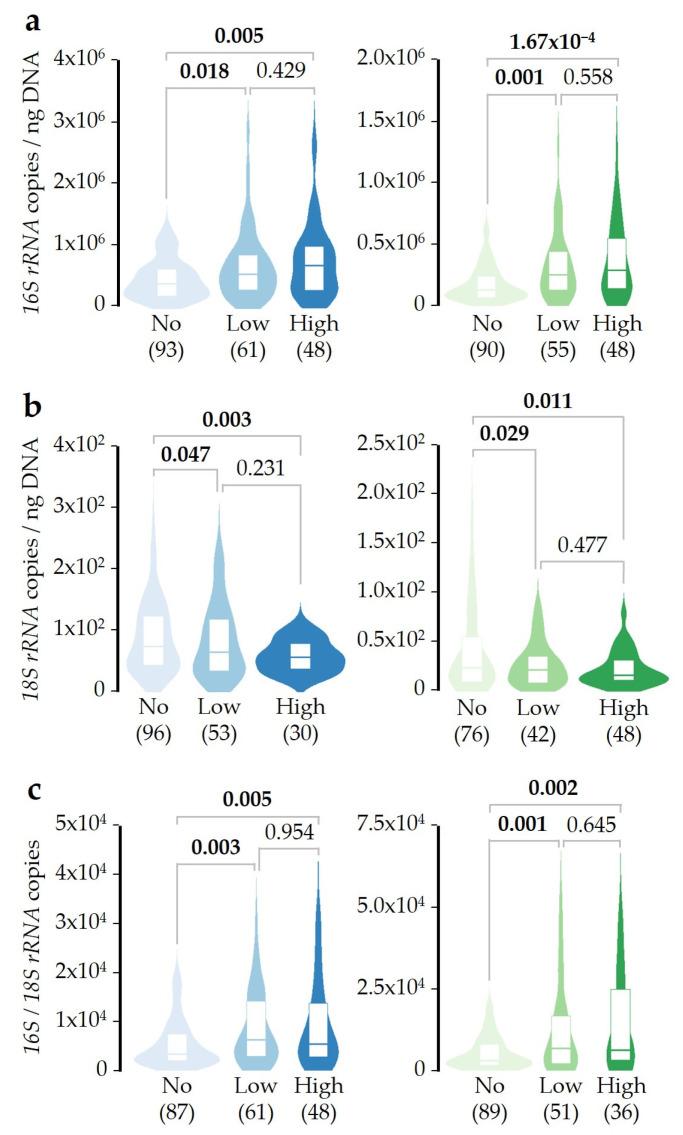
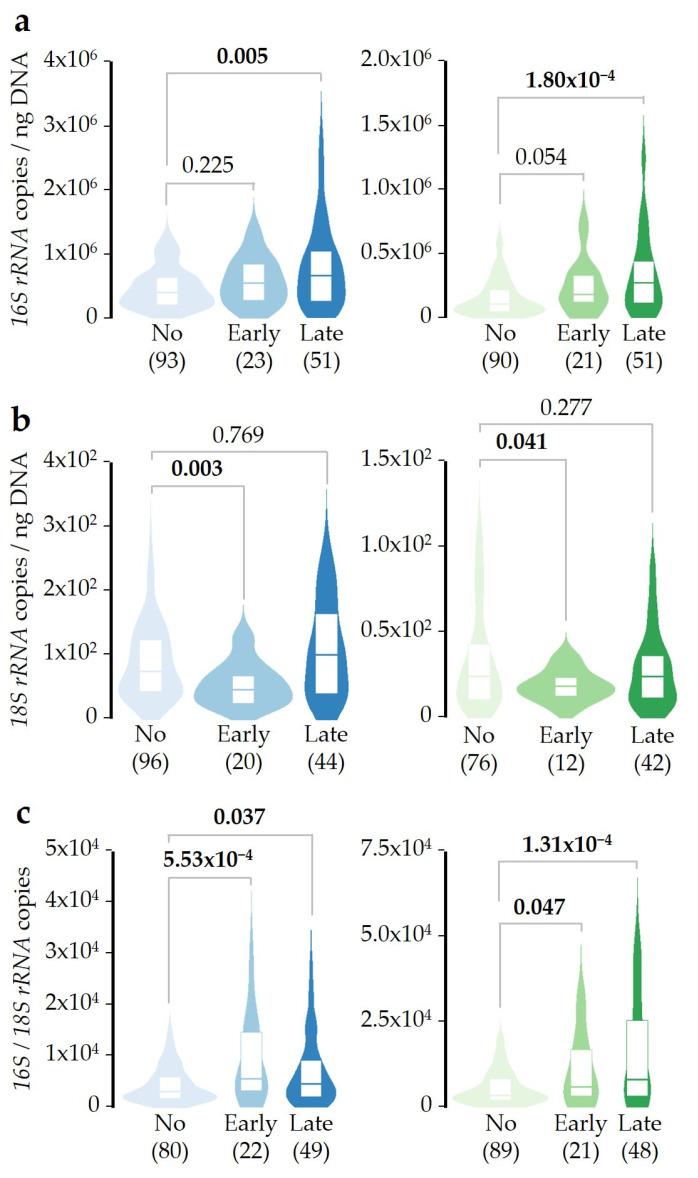
The Canary Islands, a region with high asthma prevalence, are frequently exposed to Saharan Dust Intrusions (SDIs), as are a wide range of countries in Europe. Alpha-1 antitrypsin ( gene) regulates the airway's inflammatory response. This study analyzed the combined effect of SDI exposure and variants on bacterial/fungal DNA concentrations in saliva and pharyngeal samples from asthmatic patients. Bacterial and fungal DNAs were quantified by qPCR in 211 asthmatic patients (GEMAS study), grouped based on their exposure to daily PM concentrations. Associations between SDI exposure, microbial DNA concentrations, and nine variants in were tested using linear regression models adjusted for confounders. The ratio between bacterial and fungal DNA was similar in saliva and pharyngeal samples. SDI exposure for 1-3 days was enough to observe significant microbial DNA change. Increased bacterial DNA concentration was detected when SDI exposure occurred 4-10 days prior to sampling, while exposure between days 1 and 3 led to a reduction in the fungal DNA concentration. The T-allele of SNV rs2854254 prevented the increase in the bacterial/fungal DNA ratio in pharyngeal samples after SDI exposure. The bacterial/fungal DNA ratio represents a potential tool to monitor changes in the microbiome of asthmatic patients.
加那利群岛是哮喘患病率较高的地区,经常受到撒哈拉沙尘入侵(SDI)的影响,欧洲的许多国家也是如此。α-1抗胰蛋白酶(基因)调节气道的炎症反应。本研究分析了SDI暴露与变体对哮喘患者唾液和咽部样本中细菌/真菌DNA浓度的综合影响。通过qPCR对211名哮喘患者(GEMAS研究)的细菌和真菌DNA进行定量,根据他们对每日PM浓度的暴露情况进行分组。使用针对混杂因素进行调整的线性回归模型,测试了SDI暴露、微生物DNA浓度和九个变体之间的关联。唾液和咽部样本中细菌和真菌DNA的比例相似。暴露于SDI 1至3天就足以观察到微生物DNA的显著变化。在采样前4至10天发生SDI暴露时,检测到细菌DNA浓度增加,而在第1天至第3天之间的暴露导致真菌DNA浓度降低。单核苷酸变异rs2854254的T等位基因可防止SDI暴露后咽部样本中细菌/真菌DNA比例的增加。细菌/真菌DNA比例是监测哮喘患者微生物组变化的潜在工具。

 Zotero 插件