
西波美拉尼亚狍粪便微生物群和抗菌药物耐药性的宏基因组分析。
Metagenomic analysis of the faecal microbiota and AMR in roe deer in Western Pomerania.
作者信息
Lechleiter Nele, Wedemeyer Judith, Schütz Anne, Sehl-Ewert Julia, Schaufler Katharina, Homeier-Bachmann Timo
机构信息
Institute of Epidemiology, Friedrich-Loeffler-Institut, Südufer 10, 17493, Greifswald, Island of Riems, Germany.
Department of Experimental Animal Facilities and Biorisk Management, Friedrich-Loeffler-Institut, Südufer 10, 17493, Greifswald, Island of Riems, Germany.
出版信息
Sci Rep. 2025 Mar 18;15(1):9288. doi: 10.1038/s41598-025-93602-4.
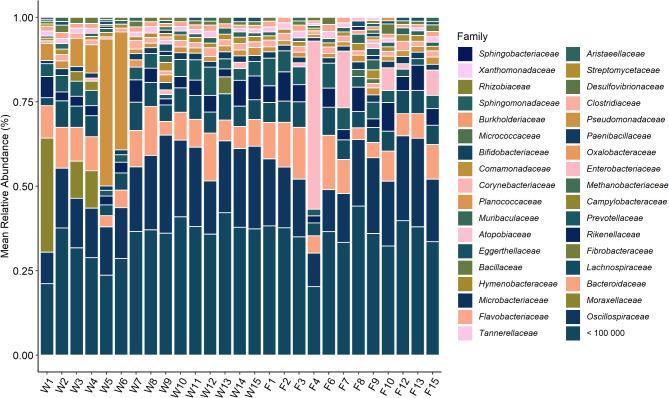
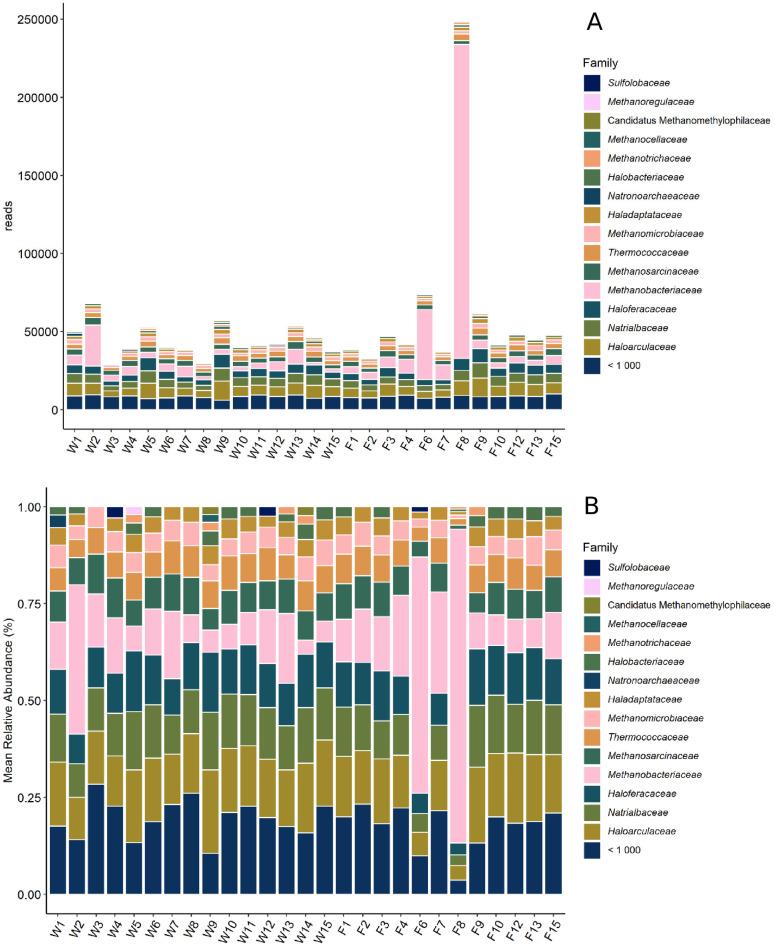
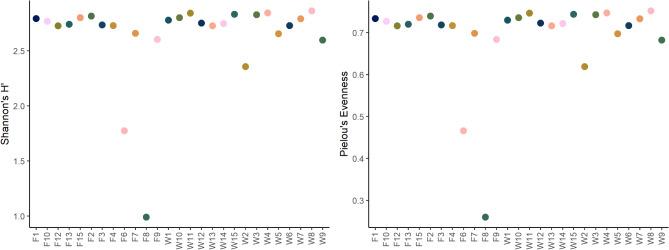
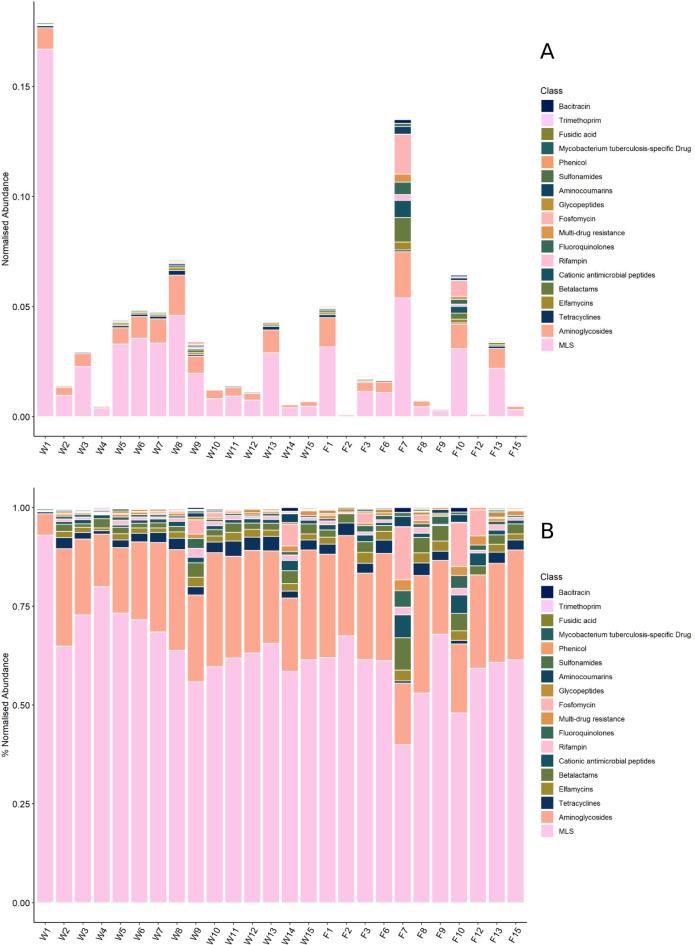
As an integral part of the global wellbeing, the health of wild animals should be regarded just as important as that of humans and livestock. The investigation of wildlife health, however, is limited by the availability of samples. In an attempt to implement a method with little invasiveness and broad areas of application, shotgun metagenomics were utilised to investigate the faecal microbiome and its antimicrobial resistance genes (AMRG) in roe deer. These genes can facilitate antimicrobial resistances (AMR) in bacteria and are therefore of increasing importance in global health. Accordingly, the abundance in potential vectors like wildlife needs to be assessed. The samples were additionally investigated for ESBL-E. coli, an antibiotic resistant pathogen of global concern, via cultivation. Twenty-seven hunt-harvested animals in Western Pomerania were sampled. This study is the first to our knowledge to describe the faecal microbiome of the European roe deer (Capreolus capreolus), providing insights into the bacterial and archaeal composition. Among the animals, the microbiome was mostly similar and showed a comparable composition to what has been reported in related species, with a ratio of 1.76 between Bacillota and Bacteroidota. The normalised abundance of AMR genes was found to be 0.035 on average, which is similar to other investigations on wild ruminants. Selective cultivation found no ESBL-E. coli in the animals. The prevalence of AMRG in roe deer of Western Pomerania was found to be in line with previous results. The use of shotgun metagenomics allowed for the simultaneous investigation of composition and AMR genes in the faecal microbiome of roe deer, which suggests it as a promising method for the health monitoring of wildlife. This study is the first to describe the prokaryotic assemblage in the faeces of roe deer and its differences to the microbiomes published on other cervids were discussed.
作为全球福祉的一个组成部分,野生动物的健康应被视为与人类和家畜的健康同等重要。然而,野生动物健康的调查受到样本可得性的限制。为了尝试实施一种侵入性小且应用范围广的方法,利用鸟枪法宏基因组学来研究狍粪便微生物组及其抗菌抗性基因(AMRG)。这些基因可促进细菌中的抗菌抗性(AMR),因此在全球健康中日益重要。因此,需要评估野生动物等潜在载体中这些基因的丰度。还通过培养对样本进行了超广谱β-内酰胺酶产生大肠埃希菌(ESBL-E. coli)的检测,ESBL-E. coli是一种全球关注的抗生素抗性病原体。对西波美拉尼亚地区27只狩猎捕获的动物进行了采样。据我们所知,本研究首次描述了欧洲狍(Capreolus capreolus)的粪便微生物组,深入了解了细菌和古菌的组成。在这些动物中,微生物组大多相似,其组成与相关物种的报道相当,芽孢杆菌门与拟杆菌门的比例为1.76。发现AMR基因的标准化丰度平均为0.035,这与其他对野生反刍动物的研究结果相似。选择性培养未在动物中发现ESBL-E. coli。发现西波美拉尼亚地区狍中AMRG的流行率与先前结果一致。鸟枪法宏基因组学的应用使得能够同时研究狍粪便微生物组的组成和AMR基因,这表明它是一种用于野生动物健康监测的有前景的方法。本研究首次描述了狍粪便中的原核生物群落,并讨论了其与其他鹿科动物已发表的微生物组的差异。


 Zotero 插件