
杏仁核中甘油磷脂代谢失调可能介导了法匹拉韦诱导的小鼠焦虑样行为。
Dysregulated glycerophospholipid metabolism in amygdala may mediate favipiravir-induced anxiety-like behaviors in mice.
作者信息
Xiao Yuzhou, Liu Chunqi, Wang Xiaojie, Li Hongchun, Wang Liang, Gou Kun, Liu Xingchen, Guan Xinqi, Zhou Xia, He Xiumei, Zhao Yue, Tao Lei, Pan Xiaodan, Jiang Linhong, Chen Yaxing, Liu Huan, Dai Yanping, Bu Qian, Qin Meng, Zhu Ruiming, Chen Bo, Flores Angelo D, Zhao Yinglan, Cen Xiaobo
机构信息
Mental Health Center and National Chengdu Center for Safety Evaluation of Drugs, State Key Laboratory of Biotherapy/Collaborative Innovation Center for Biotherapy, West China Hospital, Sichuan University, Chengdu, China.
West China School of Pharmacy, Sichuan University, Chengdu, China.
出版信息
Front Pharmacol. 2025 Mar 4;16:1491150. doi: 10.3389/fphar.2025.1491150. eCollection 2025.
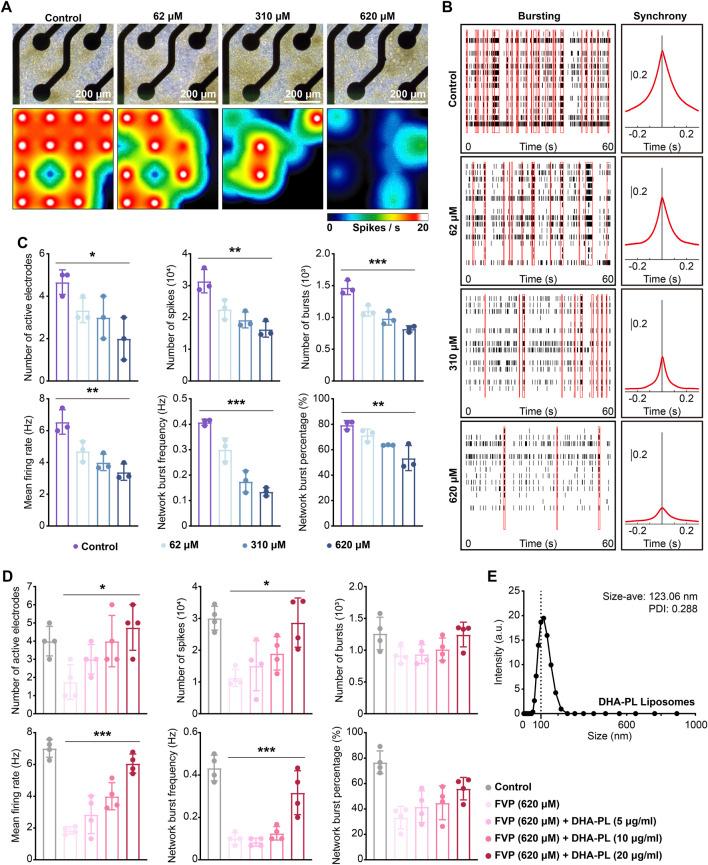
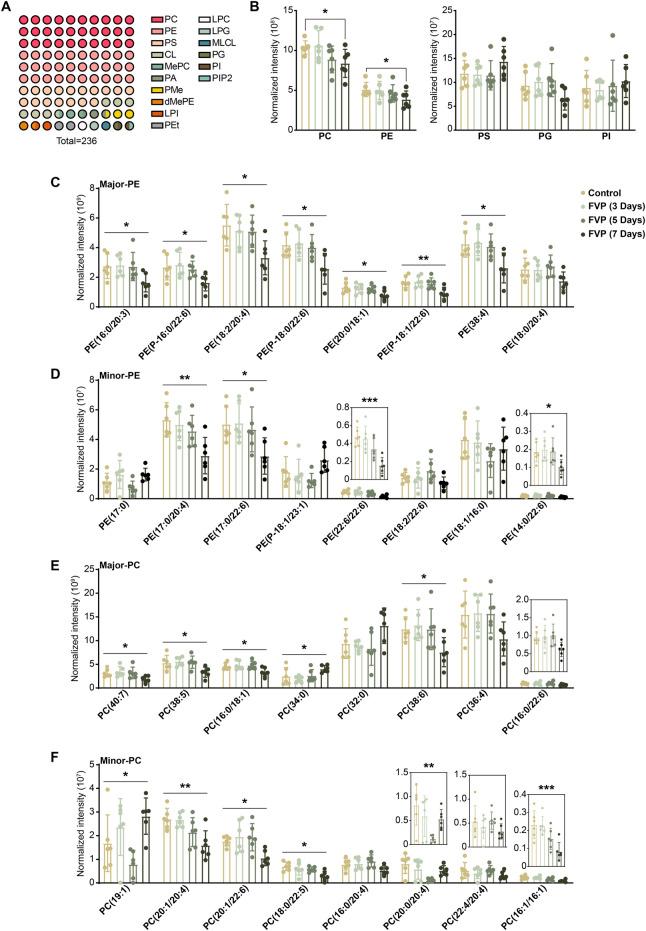
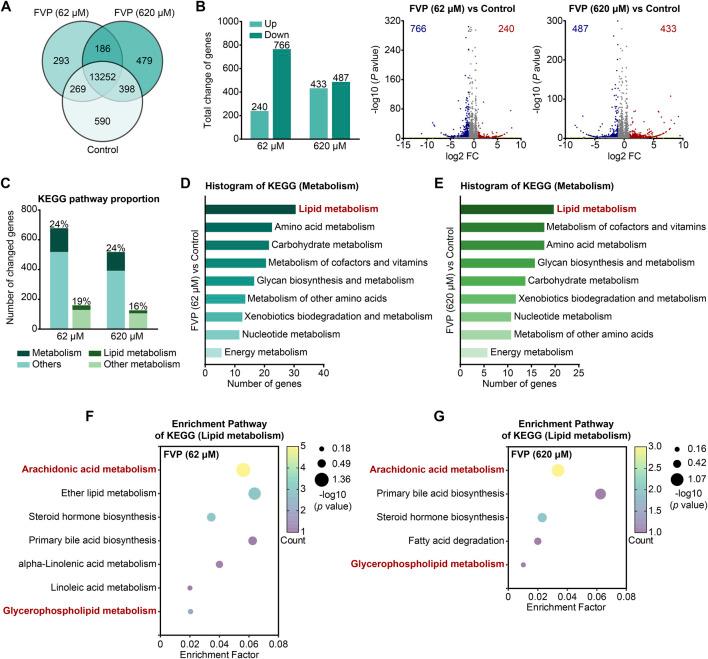
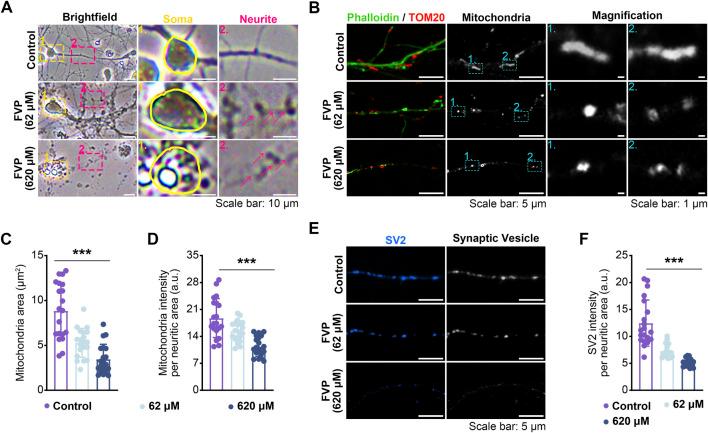
Favipiravir, the first RNA polymerase inhibitor approved to treat resistant influenza, has been reported to be associated with central nervous system (CNS) side effects, particularly anxiety-like behavior; nevertheless, the underlying mechanism remains largely unknown. In this study, we investigated the effect of favipiravir on the neurobehavior of mice, and combined lipidomics and transcriptomics analysis to explore the mechanism underlying this effect. In behavioral tests, the mice displayed anxiety-like behaviors after oral favipiravir administration (200 mg/kg) for 7 days continuously. By lipidomics analysis, we observed that favipiravir induced a dysregulation of glycerophospholipid metabolism in the amygdala. Moreover, favipiravir significantly reduced the mRNA level of glycerol-3-phosphate acyltransferase 2 (), the rate-limiting enzyme of glycerophospholipid synthesis. Notably, favipiravir markedly reduced the levels of docosahexaenoic acid-enriched phosphatidylethanolamine or phosphatidylcholine (DHA-PE/PC) and arachidonic acid-enriched phosphatidylethanolamine or phosphatidylcholine (AA-PE/PC), two components of glycerophospholipids, in the amygdala. The increased expression of phospholipase A2 () may attribute to the enhanced release of arachidonic acid (AA) from AA-PE/PC. Furthermore, favipiravir altered neurite morphology and reduced neurophysiological activity in amygdala neurons . Collectively, dysregulated glycerophospholipid metabolism in the amygdala may contribute to the adverse effect of favipiravir.
法匹拉韦是首个被批准用于治疗耐药性流感的RNA聚合酶抑制剂,已有报道称其与中枢神经系统(CNS)副作用有关,尤其是焦虑样行为;然而,其潜在机制在很大程度上仍不清楚。在本研究中,我们研究了法匹拉韦对小鼠神经行为的影响,并结合脂质组学和转录组学分析来探索这种影响的潜在机制。在行为测试中,小鼠连续7天口服法匹拉韦(200mg/kg)后表现出焦虑样行为。通过脂质组学分析,我们观察到法匹拉韦诱导杏仁核中甘油磷脂代谢失调。此外,法匹拉韦显著降低了甘油磷脂合成的限速酶甘油-3-磷酸酰基转移酶2()的mRNA水平。值得注意的是,法匹拉韦显著降低了杏仁核中富含二十二碳六烯酸的磷脂酰乙醇胺或磷脂酰胆碱(DHA-PE/PC)以及富含花生四烯酸的磷脂酰乙醇胺或磷脂酰胆碱(AA-PE/PC)这两种甘油磷脂成分的水平。磷脂酶A2()表达的增加可能归因于花生四烯酸(AA)从AA-PE/PC中的释放增强。此外,法匹拉韦改变了杏仁核神经元的神经突形态并降低了其神经生理活性。总体而言,杏仁核中甘油磷脂代谢失调可能是法匹拉韦产生不良反应的原因。



 Zotero 插件