
用于组织工程的形状变化系统的4D制造:现状与展望。
4D fabrication of shape-changing systems for tissue engineering: state of the art and perspectives.
作者信息
Bonetti Lorenzo, Scalet Giulia
机构信息
Department of Civil Engineering and Architecture (DICAr), University of Pavia, Via Ferrata 3, 27100 Pavia, Italy.
出版信息
Prog Addit Manuf. 2025;10(4):1913-1943. doi: 10.1007/s40964-024-00743-5. Epub 2024 Aug 12.
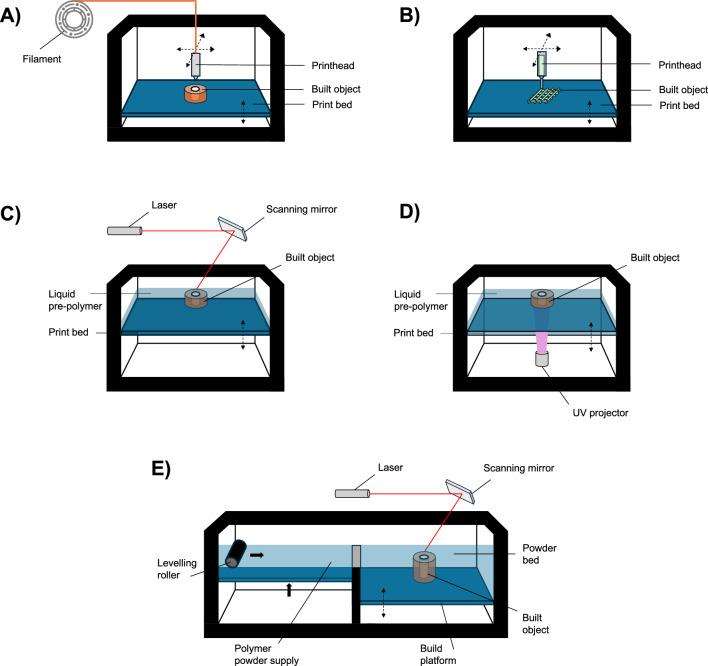
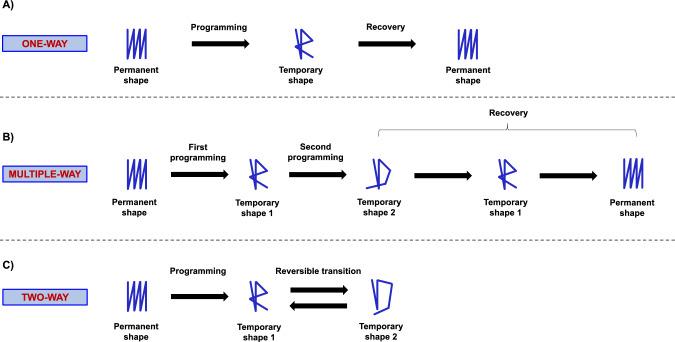
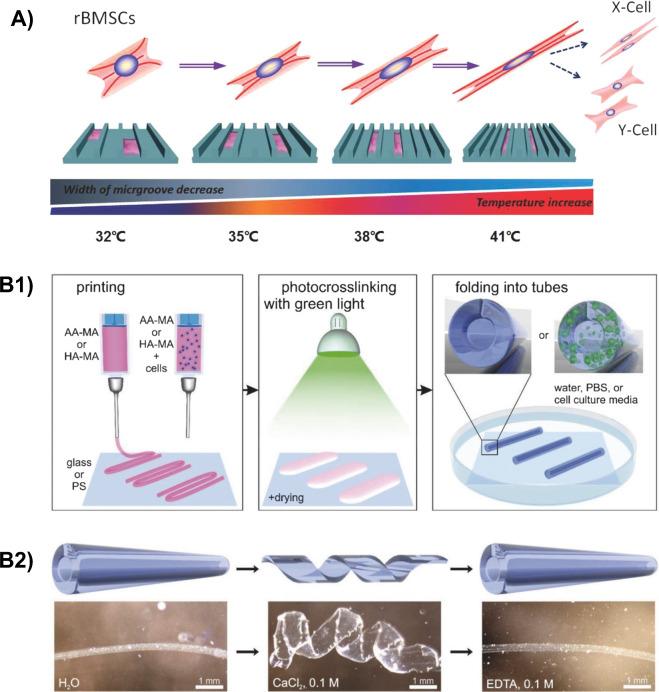
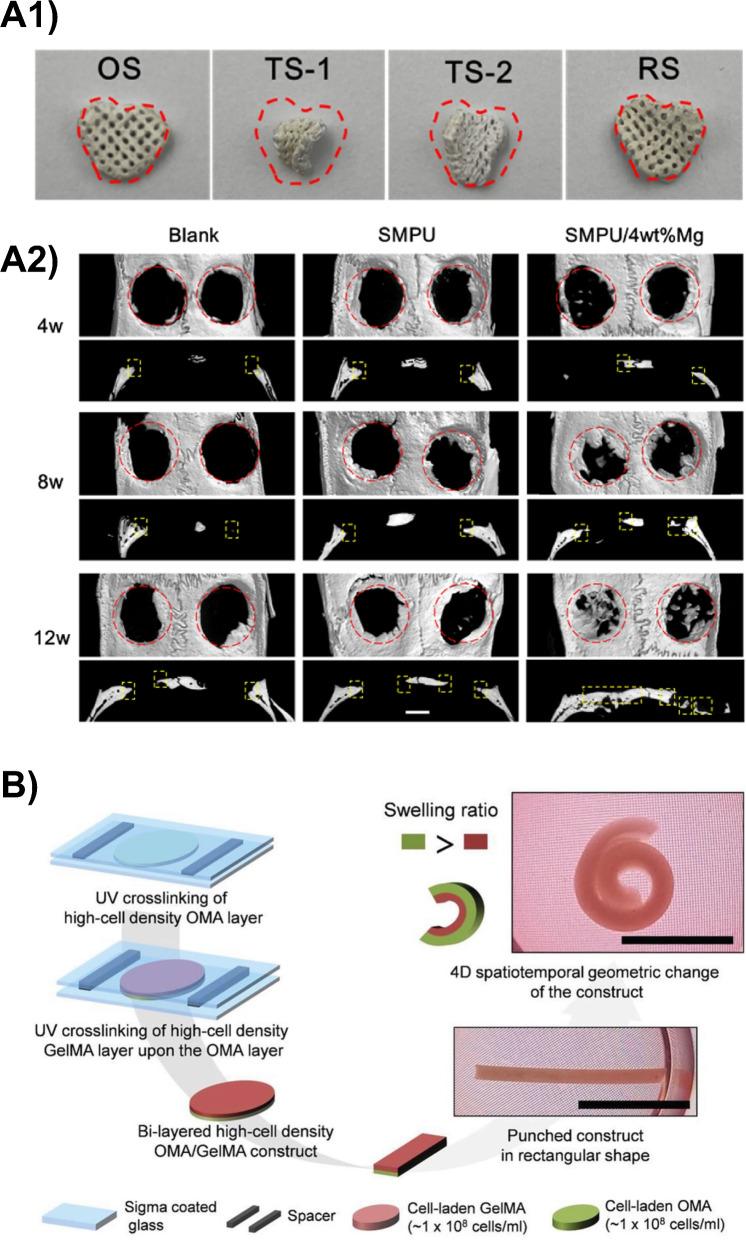
In recent years, four-dimensional (4D) fabrication has emerged as a powerful technology capable of revolutionizing the field of tissue engineering. This technology represents a shift in perspective from traditional tissue engineering approaches, which generally rely on static-or passive-structures (e.g., scaffolds, constructs) unable of adapting to changes in biological environments. In contrast, 4D fabrication offers the unprecedented possibility of fabricating complex designs with spatiotemporal control over structure and function in response to environment stimuli, thus mimicking biological processes. In this review, an overview of the state of the art of 4D fabrication technology for the obtainment of cellularized constructs is presented, with a focus on shape-changing soft materials. First, the approaches to obtain cellularized constructs are introduced, also describing conventional and non-conventional fabrication techniques with their relative advantages and limitations. Next, the main families of shape-changing soft materials, namely shape-memory polymers and shape-memory hydrogels are discussed and their use in 4D fabrication in the field of tissue engineering is described. Ultimately, current challenges and proposed solutions are outlined, and valuable insights into future research directions of 4D fabrication for tissue engineering are provided to disclose its full potential.
近年来,四维(4D)制造已成为一项强大的技术,能够彻底改变组织工程领域。这项技术代表了从传统组织工程方法的视角转变,传统方法通常依赖于无法适应生物环境变化的静态或被动结构(例如支架、构建体)。相比之下,4D制造提供了前所未有的可能性,即能够制造复杂设计,并根据环境刺激对结构和功能进行时空控制,从而模拟生物过程。在这篇综述中,我们概述了用于获得细胞化构建体的4D制造技术的现状,重点是形状变化的软材料。首先,介绍了获得细胞化构建体的方法,同时描述了传统和非常规制造技术及其相对优势和局限性。接下来,讨论了形状变化软材料的主要类别,即形状记忆聚合物和形状记忆水凝胶,并描述了它们在组织工程领域4D制造中的应用。最后,概述了当前的挑战和提出的解决方案,并对组织工程4D制造的未来研究方向提供了有价值的见解,以揭示其全部潜力。




 Zotero 插件