
使用多组学联合分析策略探索免疫相关骨疾病的新药治疗靶点。
Exploring new drug treatment targets for immune related bone diseases using a multi omics joint analysis strategy.
作者信息
Yang Wei, Liu Chenglin, Li Zhenhua, Cui Miao
机构信息
School of Traditional Chinese Medicine, Changchun University of Chinese Medicine, Changchun, 130117, Jilin, China.
Affiliated Hospital of Changchun University of Chinese Medicine, 1035 Boshuo Road, Changchun, 130117, Jilin, China.
出版信息
Sci Rep. 2025 Mar 27;15(1):10618. doi: 10.1038/s41598-025-94053-7.
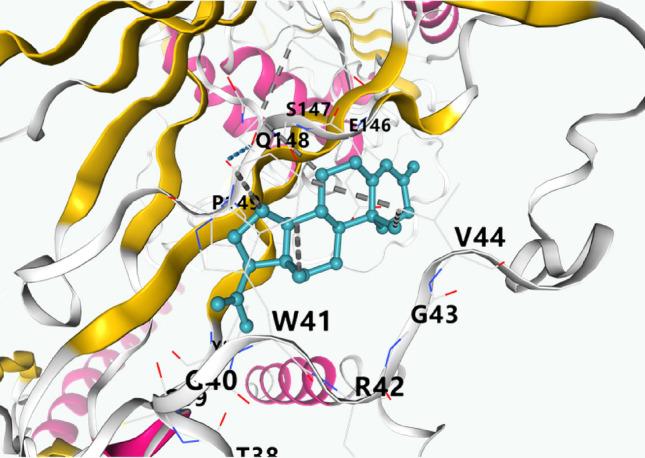
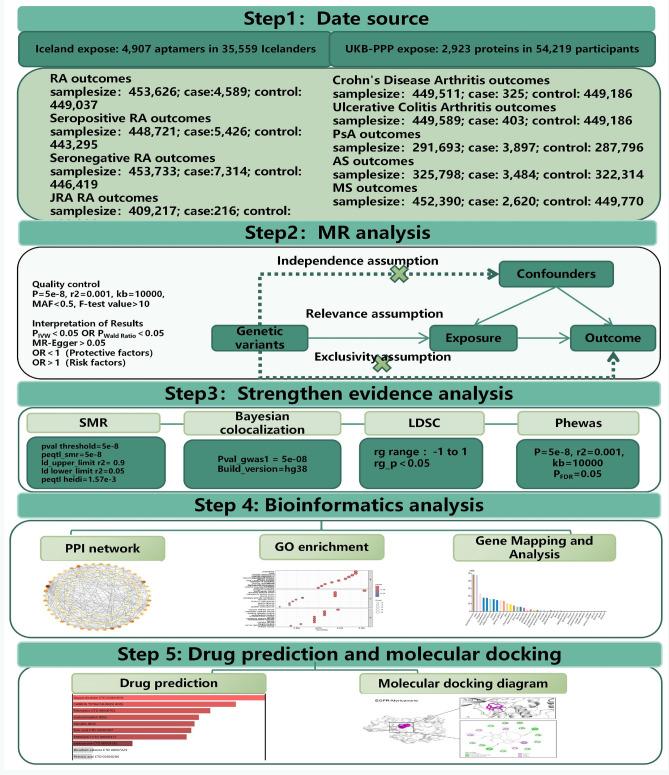
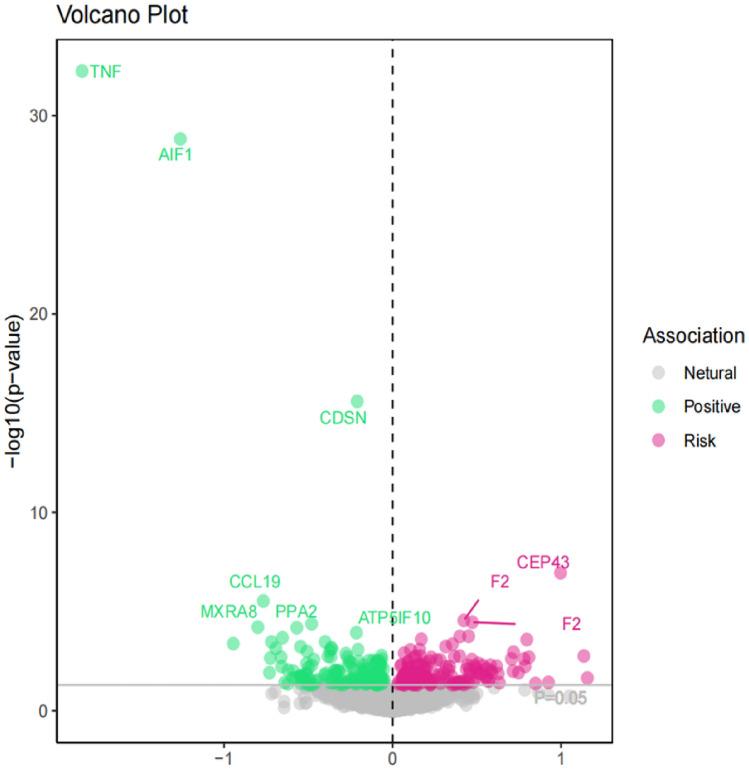
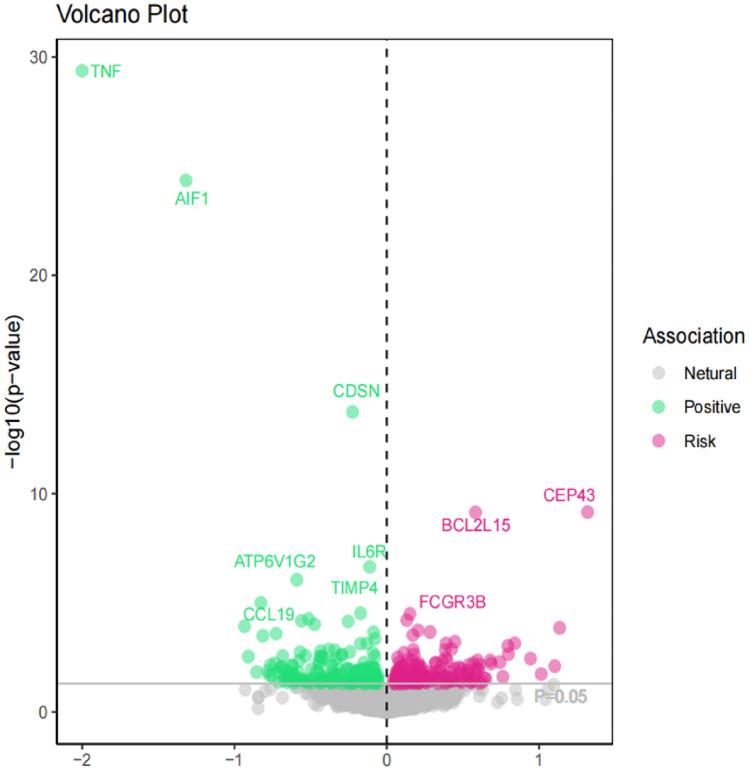
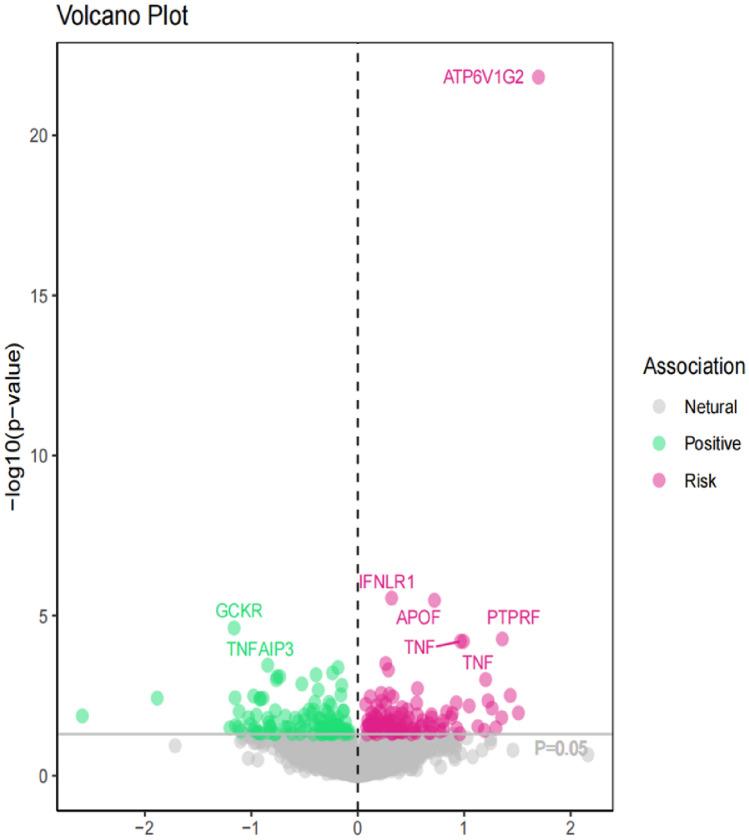
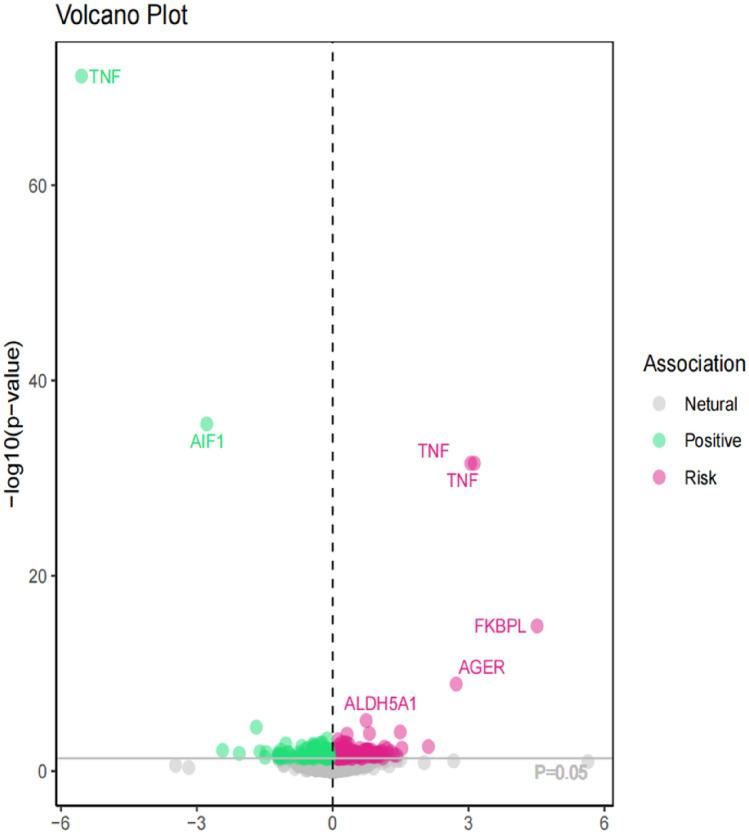
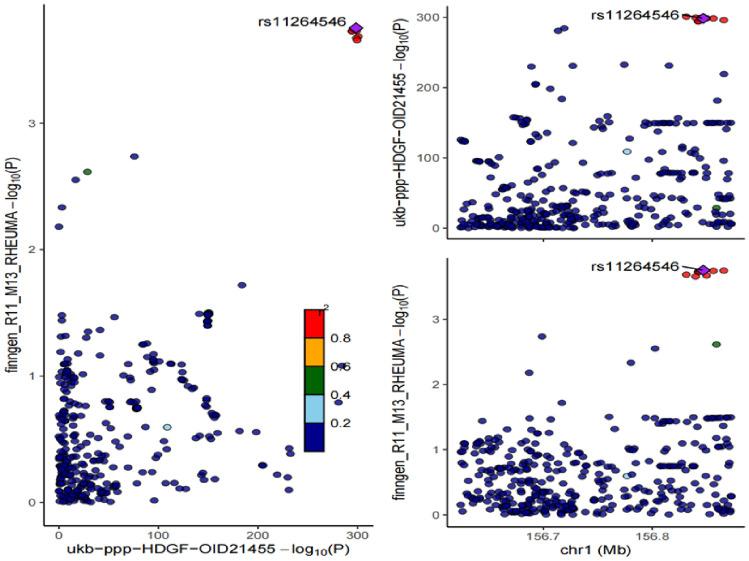
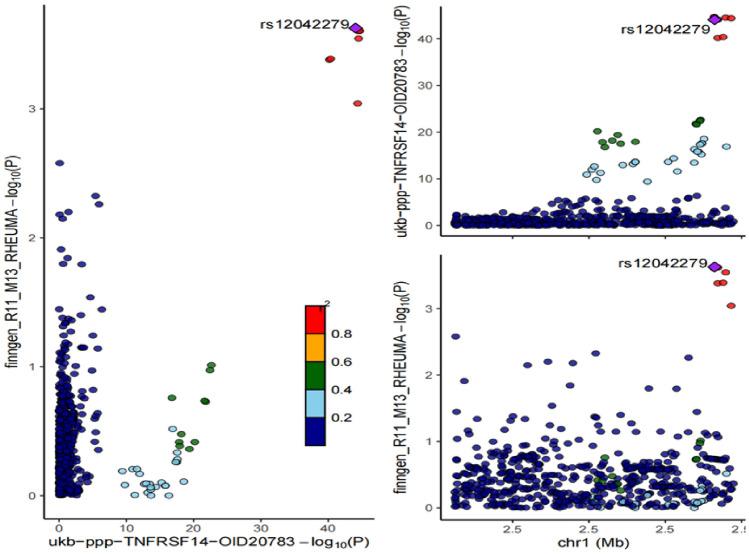
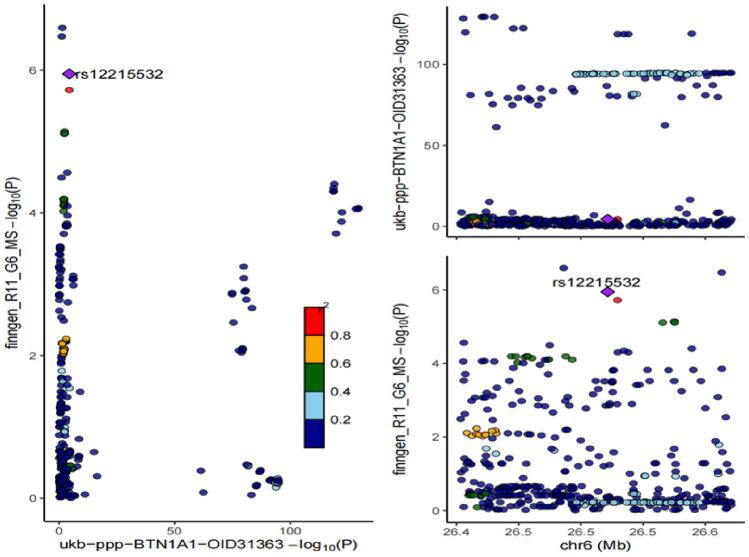
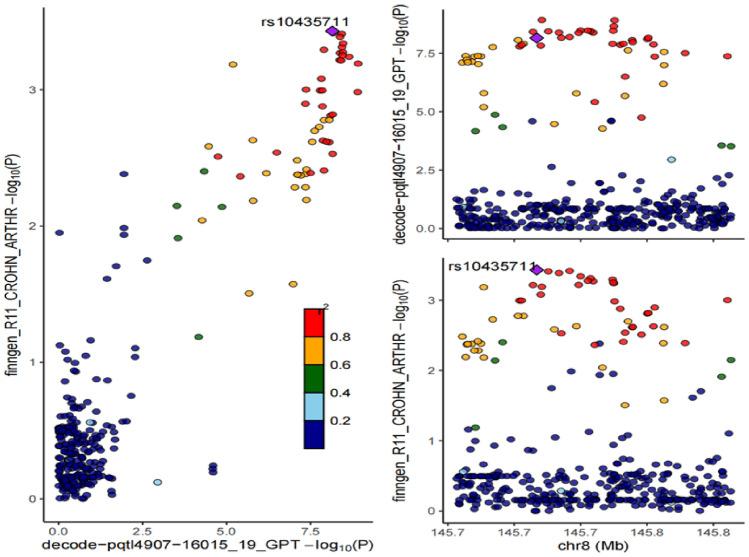
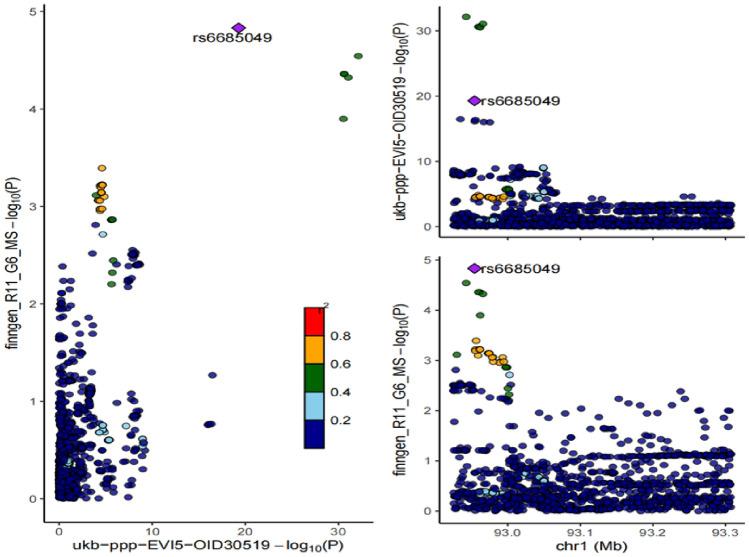
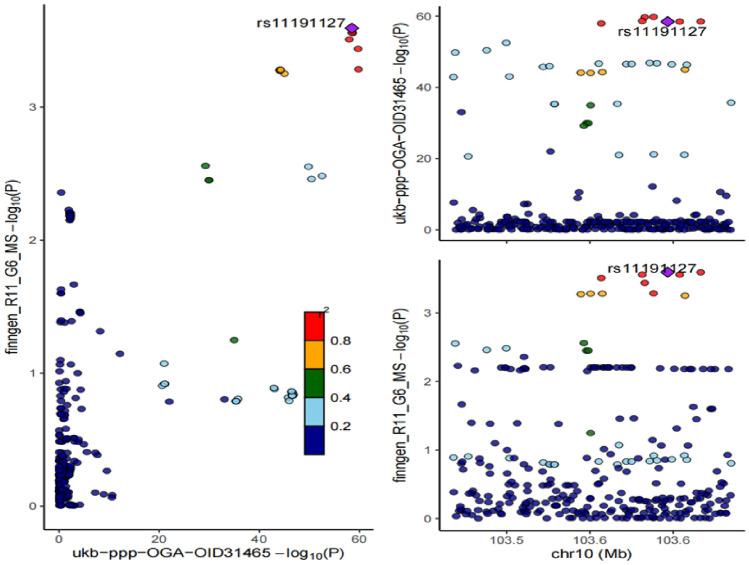
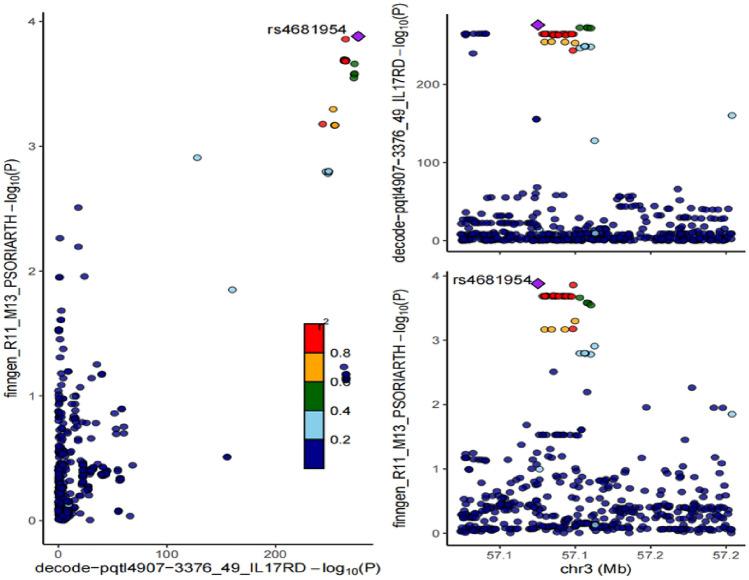
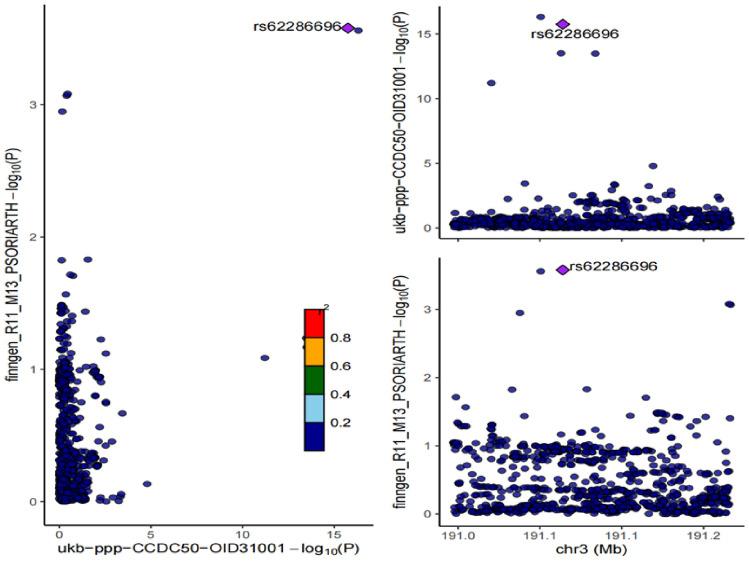
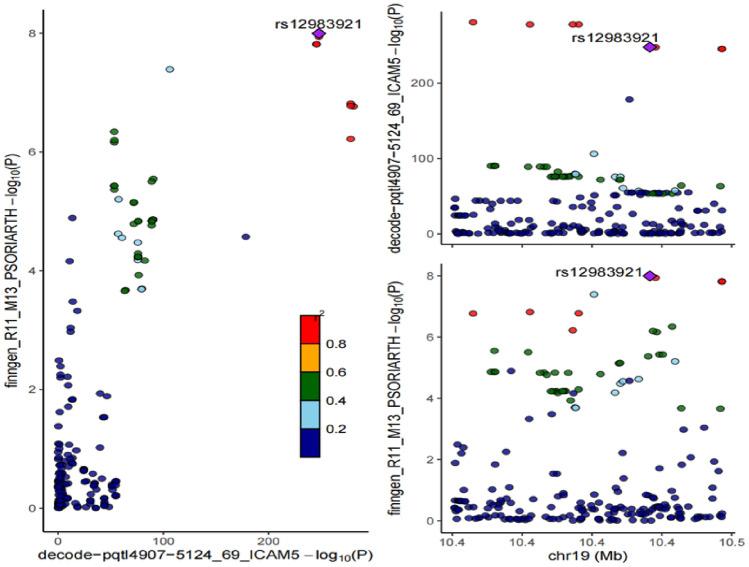
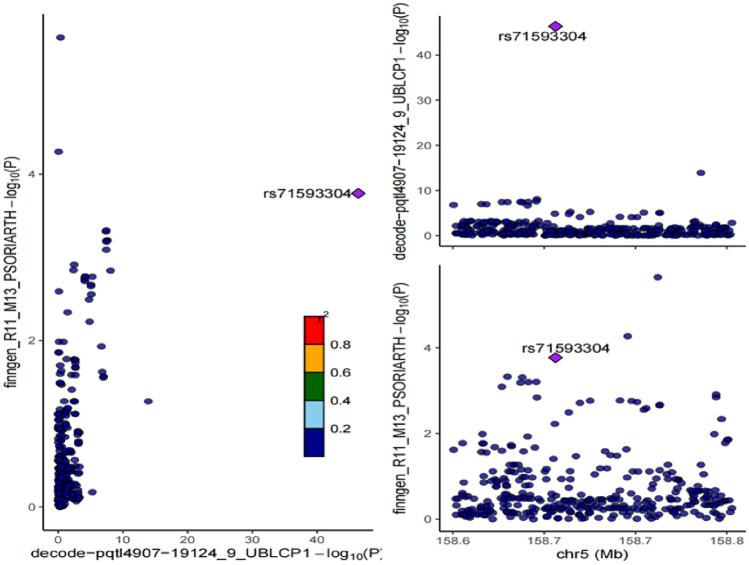
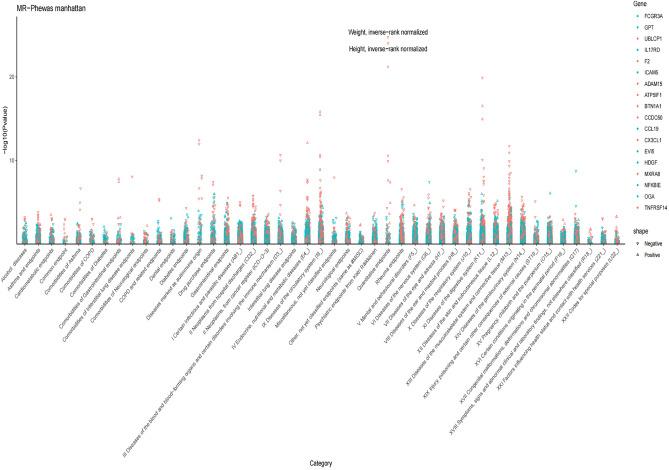
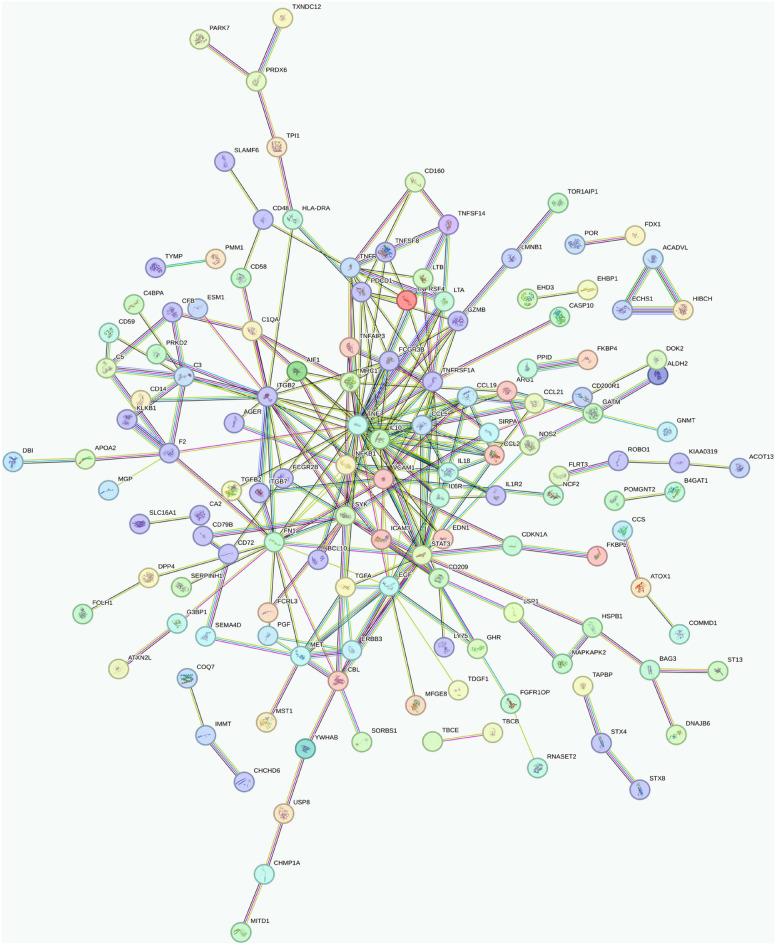
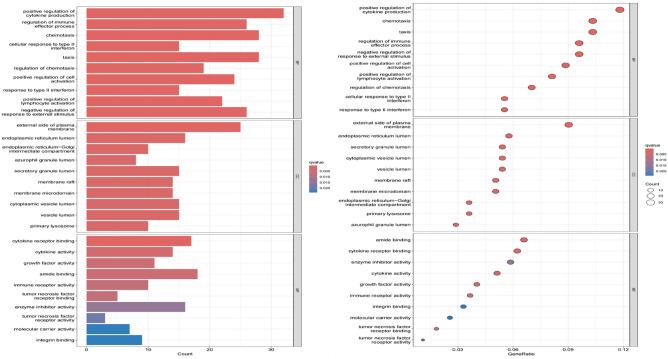
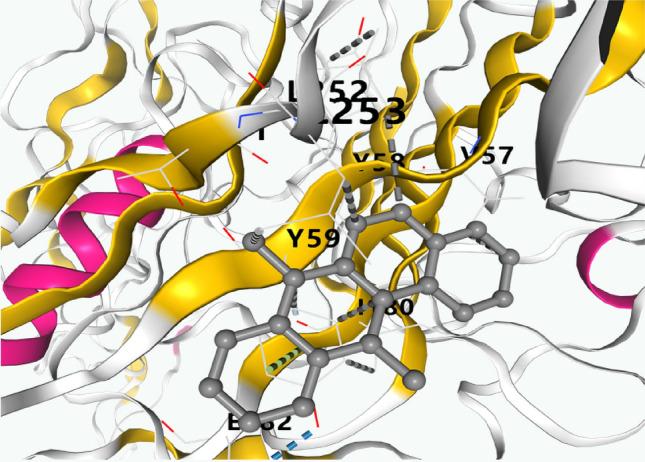
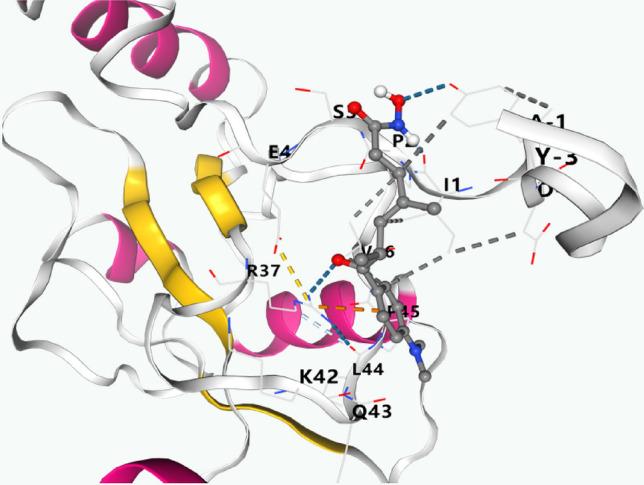
In the field of treatment and prevention of immune-related bone diseases, significant challenges persist, necessitating the urgent exploration of new and effective treatment methods. However, most existing Mendelian randomization (MR) studies are confined to a single analytical approach, which limits the comprehensive understanding of the pathogenesis and potential therapeutic targets of these diseases. In light of this, we propose the hypothesis that genetic variations in specific plasma proteins have a causal relationship with immune-related bone diseases through the MR mechanism, and that key therapeutic targets can be accurately identified using an integrated multi-omic analysis approach. This study comprehensively applied a variety of analytical methods. Firstly, the protein quantitative trait locus (pQTLs) data from two large plasma protein databases and the Genome-Wide Association Study (GWAS) data of nine immune-related bone diseases were used for Mendelian randomization (MR) analysis. At the same time, we employed the Summary-based Mendelian Randomization (SMR) method, combined with the Bayesian colocalization analysis method of coding genes, as well as the Linkage Disequilibrium Score Regression (LDSC) analysis method based on genetic correlation analysis, as methods to verify the genetic association between genes and complex diseases, thus comprehensively obtaining positive results. In addition, a Phenome-wide Association Study (PheWAS) was conducted on significantly positive genes, and their expression patterns in different tissues were also explored. Subsequently, we integrated Protein-Protein Interaction (PPI) network analysis, Gene Ontology (GO) analysis. Finally, based on the above analytical methods, drug prediction and molecular docking studies were carried out with the aim of accurately identifying key therapeutic targets. Through a comprehensive analysis using four methods, namely the Mendelian randomization (MR) analysis study, Summary-based Mendelian Randomization (SMR) analysis study, Bayesian colocalization analysis study, and Linkage Disequilibrium Score Regression (LDSC) analysis study. We found that through MR, SMR, and combined with Bayesian colocalization analysis, an association was found between rheumatoid arthritis (RA) and HDGF. Using the combination of MR and Bayesian colocalization analysis, as well as LDSC analysis, it was concluded that RA was related to CCL19 and TNFRSF14. Based on the methods of MR and Bayesian colocalization, an association was found between GPT and Crohn's disease-related arthritis, and associations were found between BTN1A1, EVI5, OGA, TNFRSF14 and multiple sclerosis (MS), and associations were found between ICAM5, CCDC50, IL17RD, UBLCP1 and psoriatic arthritis (PsA). Specifically, in the MR analysis of RA, HDGF (P_ivw = 0.0338, OR = 1.0373, 95%CI = 1.0028-1.0730), CCL19 (P_ivw = 0.0004, OR = 0.3885, 95%CI = 0.2299-0.6566), TNFRSF14 (P_ivw = 0.0007, OR = 0.6947, 95%CI = 0.5634-0.8566); in the MR analysis of MS, BTN1A1 (P_ivw = 0.0000, OR = 0.6101, 95%CI = 0.4813-0.7733), EVI5 (P_ivw = 0.0000, OR = 0.3032, 95%CI = 0.1981-0.4642), OGA (P_ivw = 0.0005, OR = 0.4599, 95%CI = 0.2966-0.7131), TNFRSF14 (P_ivw = 0.0002, OR = 0.4026, 95%CI = 0.2505-0.6471); in the MR analysis of PsA, ICAM5 (P_ivw = 0.0281, OR = 1.1742, 95%CI = 1.0174-1.3552), CCDC50 (P_ivw = 0.0092, OR = 0.7359, 95%CI = 0.5843-0.9269), IL17RD (P_ivw = 0.0006, OR = 0.7887, 95%CI = 0.6886-0.9034), UBLCP1 (P_ivw = 0.0021, OR = 0.6901, 95%CI = 0.5448-0.8741); in the MR analysis of Crohn's disease-related arthritis, GPT (P_ivw = 0.0006, OR = 0.0057, 95%CI = 0.0003-0.1111). In the Bayesian colocalization analysis of RA, HDGF (H4 = 0.8426), CCL19 (H4 = 0.9762), TNFRSF14 (H4 = 0.8016); in the Bayesian colocalization analysis of MS, BTN1A1 (H4 = 0.7660), EVI5 (H4 = 0.9800), OGA (H4 = 0.8569), TNFRSF14 (H4 = 0.8904); in the Bayesian colocalization analysis of PsA, ICAM5 (H4 = 0.9476), CCDC50 (H4 = 0.9091), IL17RD (H4 = 0.9301), UBLCP1 (H4 = 0.8862); in the Bayesian colocalization analysis of Crohn's disease-related arthritis, GPT (H4 = 0.8126). In the SMR analysis of RA, HDGF (p_SMR = 0.0338, p_HEIDI = 0.0628). In the LDSC analysis of RA, CCL19 (P = 0.0000), TNFRSF14 (P = 0.0258). By comprehensively analyzing plasma proteomic and transcriptomic data, we successfully identified key therapeutic targets for various clinical subtypes of immune-associated bone diseases. Our findings indicate that the significant positive genes associated with RA include HDGF, CCL19, and TNFRSF14; the positive gene linked to Crohn-related arthropathy is GPT; for MS, the positive genes are BTN1A1, EVI5, OGA, and TNFRSF14; and for PsA, the positive genes are ICAM5, CCDC50, IL17RD, and UBLCP1. Through this comprehensive analytical approach, we have screened potential therapeutic targets for different clinical subtypes of immune-related bone diseases. This research not only enhances our understanding of the pathogenesis of these conditions but also provides a solid theoretical foundation for subsequent drug development and clinical treatment, with the potential to yield significant advancements in the management of patients with immune-related bone diseases.
在免疫相关骨疾病的治疗和预防领域,重大挑战依然存在,迫切需要探索新的有效治疗方法。然而,大多数现有的孟德尔随机化(MR)研究局限于单一分析方法,这限制了对这些疾病发病机制和潜在治疗靶点的全面理解。鉴于此,我们提出假说:特定血浆蛋白的基因变异通过MR机制与免疫相关骨疾病存在因果关系,并且可以使用综合多组学分析方法准确识别关键治疗靶点。本研究全面应用了多种分析方法。首先,使用来自两个大型血浆蛋白数据库的蛋白质定量性状位点(pQTLs)数据和九种免疫相关骨疾病的全基因组关联研究(GWAS)数据进行孟德尔随机化(MR)分析。同时,我们采用基于汇总数据的孟德尔随机化(SMR)方法,结合编码基因的贝叶斯共定位分析方法,以及基于遗传相关性分析的连锁不平衡评分回归(LDSC)分析方法,作为验证基因与复杂疾病之间遗传关联的方法,从而全面获得阳性结果。此外,对显著阳性基因进行了全表型关联研究(PheWAS),并探索了它们在不同组织中的表达模式。随后,我们整合了蛋白质-蛋白质相互作用(PPI)网络分析、基因本体(GO)分析。最后,基于上述分析方法,进行了药物预测和分子对接研究,旨在准确识别关键治疗靶点。通过使用孟德尔随机化(MR)分析研究、基于汇总数据的孟德尔随机化(SMR)分析研究、贝叶斯共定位分析研究和连锁不平衡评分回归(LDSC)分析研究这四种方法进行综合分析。我们发现,通过MR、SMR并结合贝叶斯共定位分析,发现类风湿关节炎(RA)与HDGF之间存在关联。使用MR与贝叶斯共定位分析以及LDSC分析相结合的方法,得出RA与CCL19和TNFRSF14相关。基于MR和贝叶斯共定位方法,发现GPT与克罗恩病相关关节炎之间存在关联,并且发现BTN1A1、EVI5、OGA、TNFRSF14与多发性硬化症(MS)之间存在关联,以及ICAM5、CCDC50、IL17RD、UBLCP1与银屑病关节炎(PsA)之间存在关联。具体而言,在RA的MR分析中,HDGF(P_ivw = 0.0338,OR = 1.0373,95%CI = 1.0028 - 1.0730)、CCL19(P_ivw = 0.0004,OR = 0.3885,95%CI = 0.2299 - 0.6566)、TNFRSF14(P_ivw = 0.0007,OR = 0.6947,95%CI = 0.5634 - 0.8566);在MS的MR分析中,BTN1A1(P_ivw = 0.0000,OR = 0.6101,95%CI = 0.4813 - 0.7733)、EVI5(P_ivw = 0.0000,OR = 0.3032,95%CI = 0.1981 - 0.4642)、OGA(P_ivw = 0.0005,OR = 0.4599,95%CI = 0.2966 - 0.7131)、TNFRSF14(P_ivw = 0.0002,OR = 0.






 Zotero 插件