
通过创新的制剂和递送策略革新mRNA疫苗。
Revolutionizing mRNA Vaccines Through Innovative Formulation and Delivery Strategies.
作者信息
Fatima Munazza, An Timothy, Hong Kee-Jong
机构信息
Department of Microbiology, Gachon University College of Medicine, Incheon 21936, Republic of Korea.
Lee Gil Ya Cancer and Diabetes Institute, Gachon University, Incheon 21999, Republic of Korea.
出版信息
Biomolecules. 2025 Mar 1;15(3):359. doi: 10.3390/biom15030359.
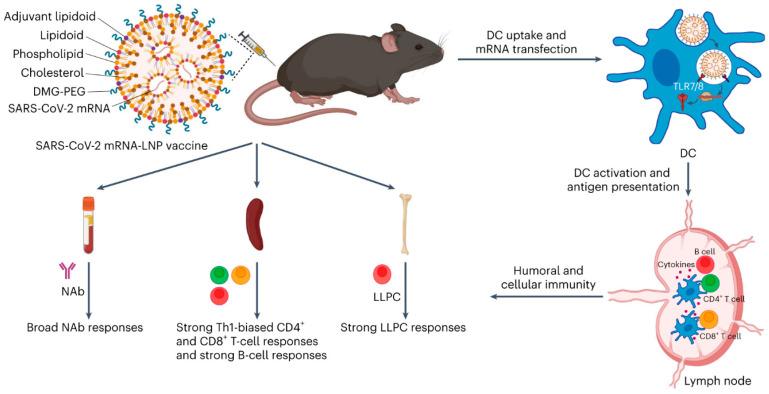
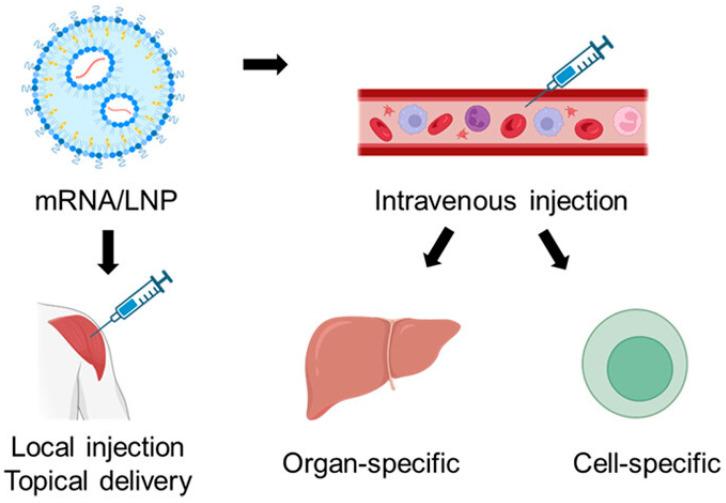
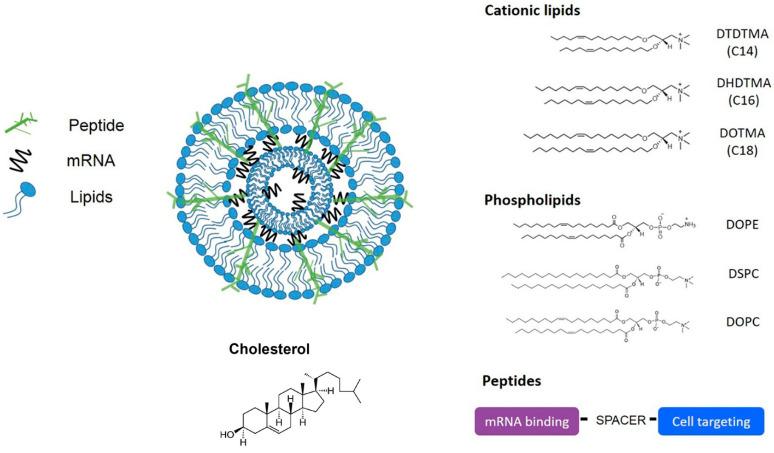
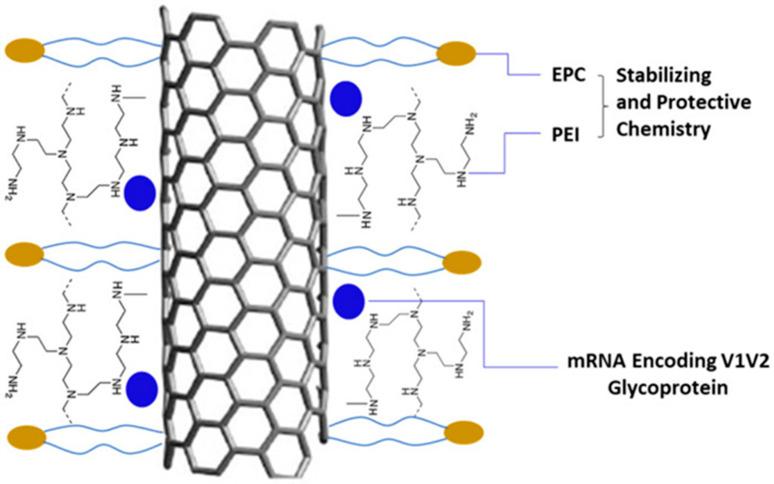
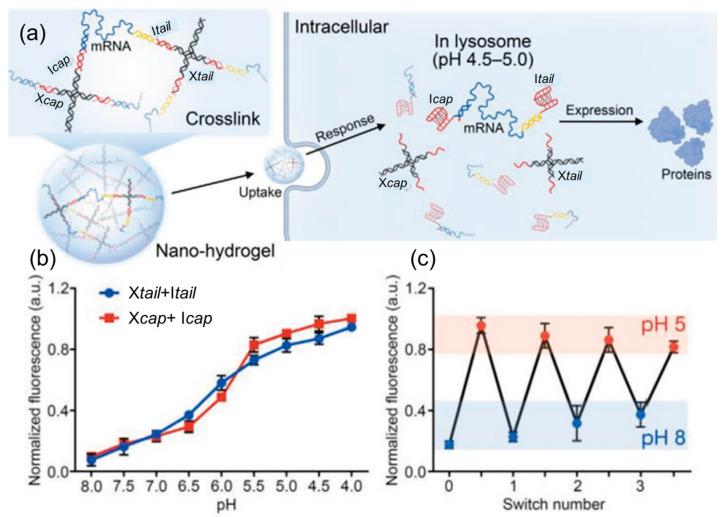
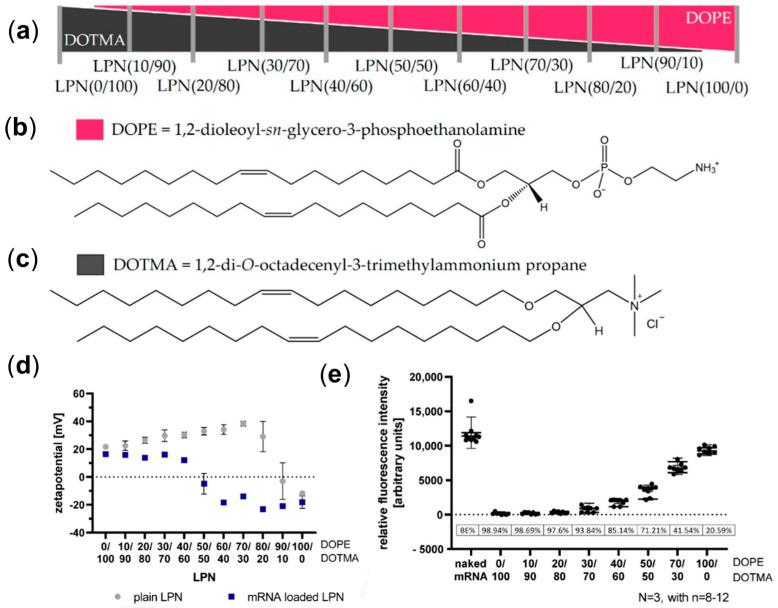
Modernization of existing methods for the delivery of mRNA is vital in advanced therapeutics. Traditionally, mRNA has faced obstacles of poor stability due to enzymatic degradation. This work examines cutting-edge formulation and emerging techniques for safer delivery of mRNA vaccines. Inspired by the success of lipid nanoparticles (LNP) in delivering mRNA vaccines for COVID-19, a variety of other formulations have been developed to deliver mRNA vaccines for diverse infections. The meritorious features of nanoparticle-based mRNA delivery strategies, including LNP, polymeric, dendrimers, polysaccharide-based, peptide-derived, carbon and metal-based, DNA nanostructures, hybrid, and extracellular vesicles, have been examined. The impact of these delivery platforms on mRNA vaccine delivery efficacy, protection from enzymatic degradation, cellular uptake, controlled release, and immunogenicity has been discussed in detail. Even with significant developments, there are certain limitations to overcome, including toxicity concerns, limited information about immune pathways, the need to maintain a cold chain, and the necessity of optimizing administration methods. Continuous innovation is essential for improving delivery systems for mRNA vaccines. Future research directions have been proposed to address the existing challenges in mRNA delivery and to expand their potential prophylactic and therapeutic application.
现有mRNA递送方法的现代化在先进治疗领域至关重要。传统上,mRNA由于酶促降解而面临稳定性差的障碍。这项工作研究了用于更安全递送mRNA疫苗的前沿制剂和新兴技术。受脂质纳米颗粒(LNP)在递送COVID-19 mRNA疫苗方面成功的启发,已开发出多种其他制剂来递送针对多种感染的mRNA疫苗。已研究了基于纳米颗粒的mRNA递送策略的优点,包括LNP、聚合物、树枝状大分子、多糖基、肽衍生、碳基和金属基、DNA纳米结构、杂化体和细胞外囊泡。详细讨论了这些递送平台对mRNA疫苗递送效果、免受酶促降解、细胞摄取、控释和免疫原性的影响。即使有了重大进展,仍有一些局限性需要克服,包括毒性问题、关于免疫途径的信息有限、需要维持冷链以及优化给药方法的必要性。持续创新对于改进mRNA疫苗递送系统至关重要。已提出未来的研究方向,以解决mRNA递送中存在的挑战,并扩大其潜在的预防和治疗应用。






 Zotero 插件