
用于卵巢癌诊断与治疗的基于纳米技术的药物递送系统。
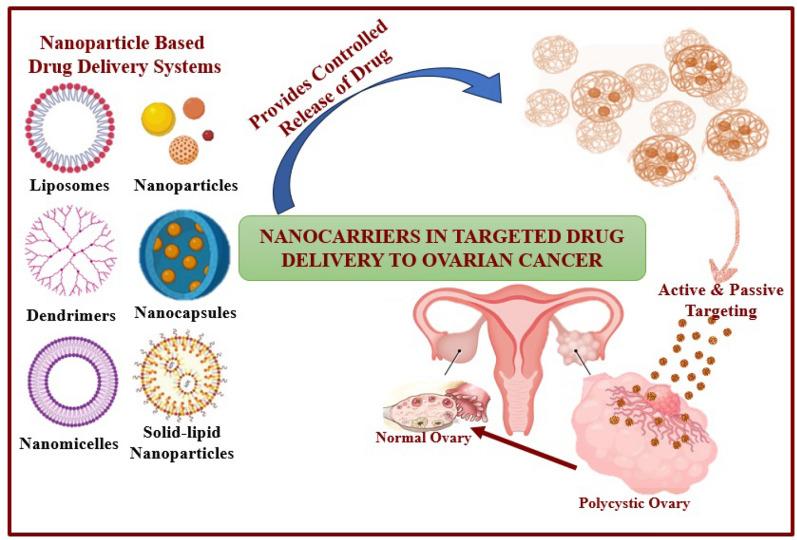
Nanotechnology-based drug delivery system for the diagnosis and treatment of ovarian cancer.
作者信息
Saripilli Rajeswari, Sharma Dinesh Kumar
机构信息
School of Pharmacy, Centurion University of Technology and Management, Gajapati, Odisha, India.
School of Pharmaceutical Sciences, Siksha 'O' Anusandhan (Deemed to be University), Bhubaneswar, Odisha, 751003, India.
出版信息
Discov Oncol. 2025 Mar 29;16(1):422. doi: 10.1007/s12672-025-02062-9.
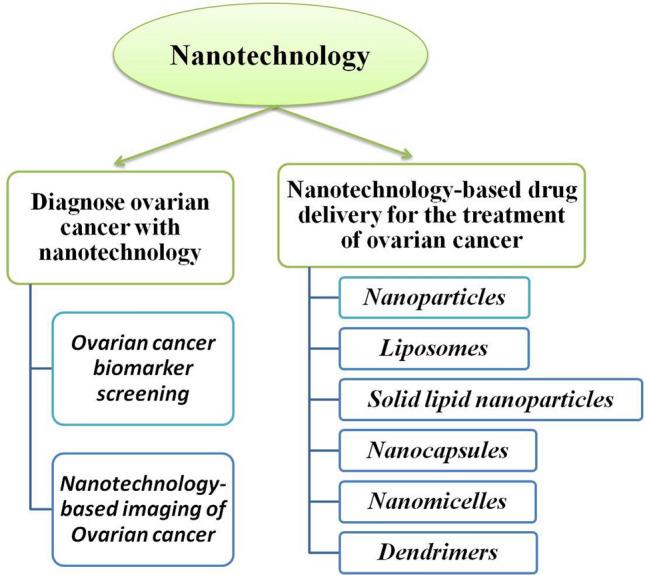
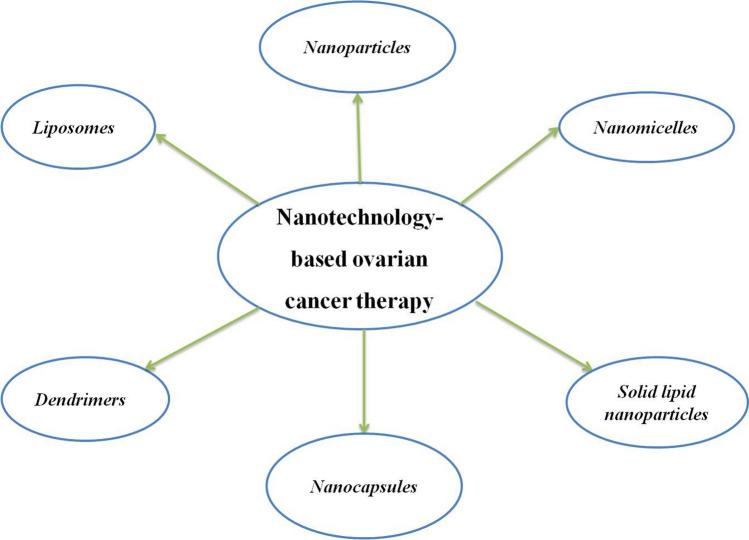
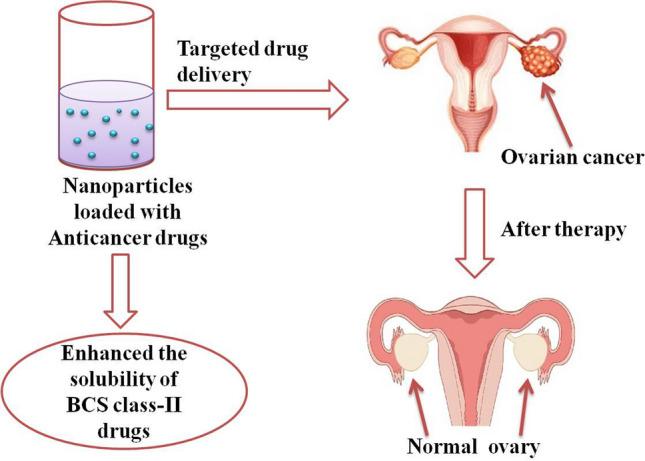
Current research in nanotechnology is improving or developing novel applications that could improve disease diagnosis or treatment. This study highlights several nanoscale drug delivery technologies, such as nano micelles, nanocapsules, nanoparticles, liposomes, branching dendrimers, and nanostructured lipid formulations for the targeted therapy of ovarian cancer (OC), to overcome the limitations of traditional delivery. Because traditional drug delivery to malignant cells has intrinsic flaws, new nanotechnological-based treatments have been developed to address these conditions. Ovarian cancer is the most common gynecological cancer and has a higher death rate because of its late diagnosis and recurrence. This review emphasizes the discipline of medical nanotechnology, which has made great strides in recent years to solve current issues and enhance the detection and treatment of many diseases, including cancer. This system has the potential to provide real-time monitoring and diagnostics for ovarian cancer treatment, as well as simultaneous delivery of therapeutic agents.
当前纳米技术的研究正在改进或开发能够改善疾病诊断或治疗的新型应用。本研究重点介绍了几种纳米级药物递送技术,如纳米胶束、纳米胶囊、纳米颗粒、脂质体、树枝状聚合物和纳米结构脂质制剂,用于卵巢癌(OC)的靶向治疗,以克服传统递送的局限性。由于向恶性细胞递送传统药物存在固有缺陷,因此已经开发了基于纳米技术的新疗法来解决这些问题。卵巢癌是最常见的妇科癌症,由于其诊断较晚和复发率高,死亡率也较高。这篇综述强调了医学纳米技术学科,该学科近年来在解决当前问题以及加强包括癌症在内的许多疾病的检测和治疗方面取得了巨大进展。该系统有潜力为卵巢癌治疗提供实时监测和诊断,并同时递送治疗剂。
 Zotero 插件