
荧光光谱法作为血液学诊断中的一种新型工具。
Fluorescence spectroscopy as a novel tool in hematological diagnostics.
作者信息
Gomidze Nugzar, Kalandadze Lali, Khajishvili Miranda, Nakashidze Omar, Jabnidze Izolda, Jakobia Davit, Makharadze Kakha
机构信息
Batumi Shota Rustaveli State University, Batumi, Georgia.
出版信息
APL Bioeng. 2025 Apr 1;9(2):026102. doi: 10.1063/5.0264155. eCollection 2025 Jun.
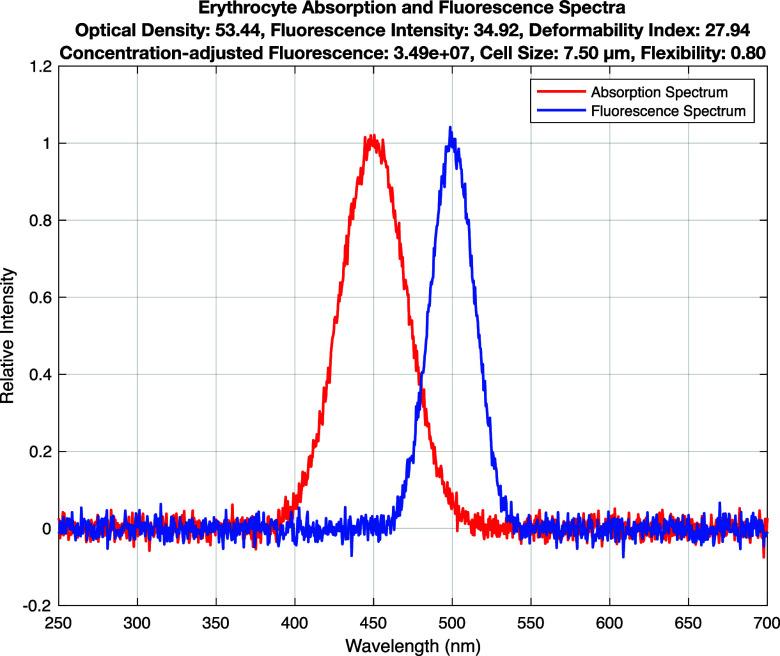
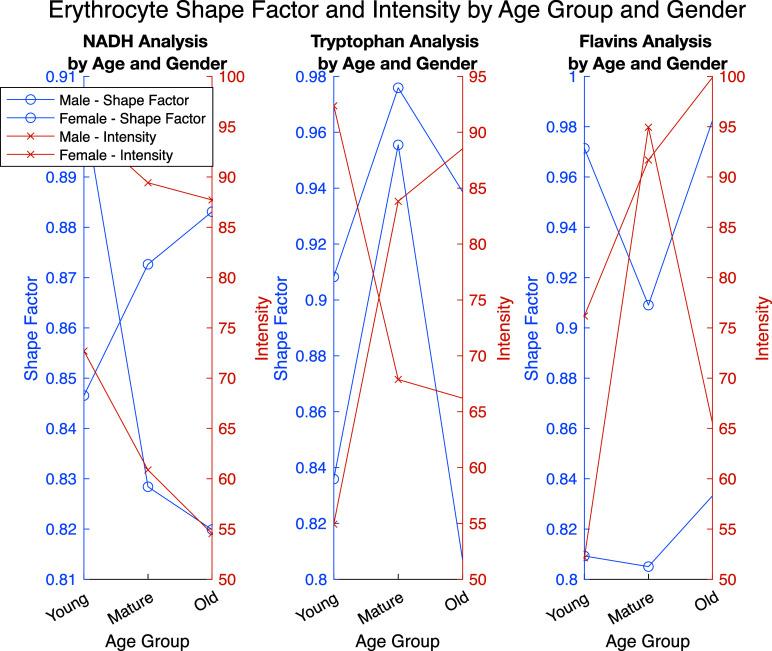
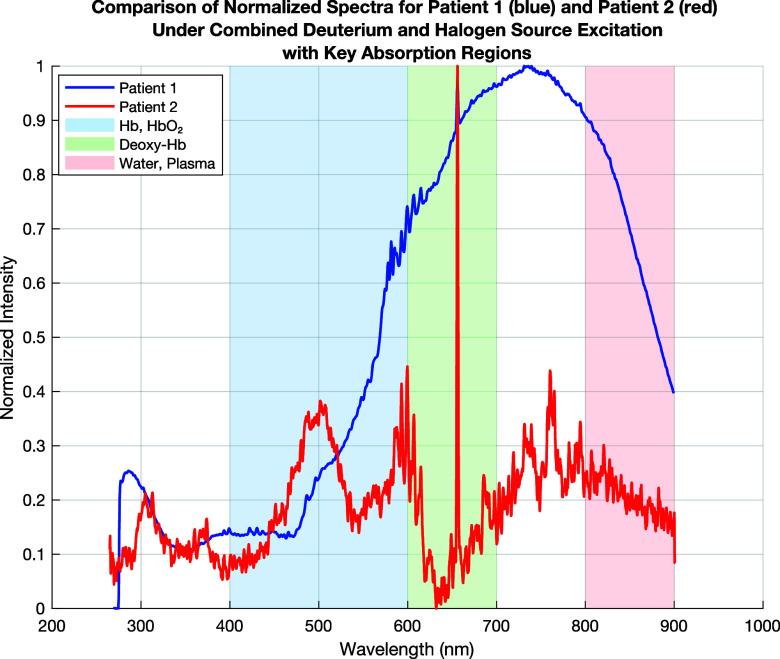
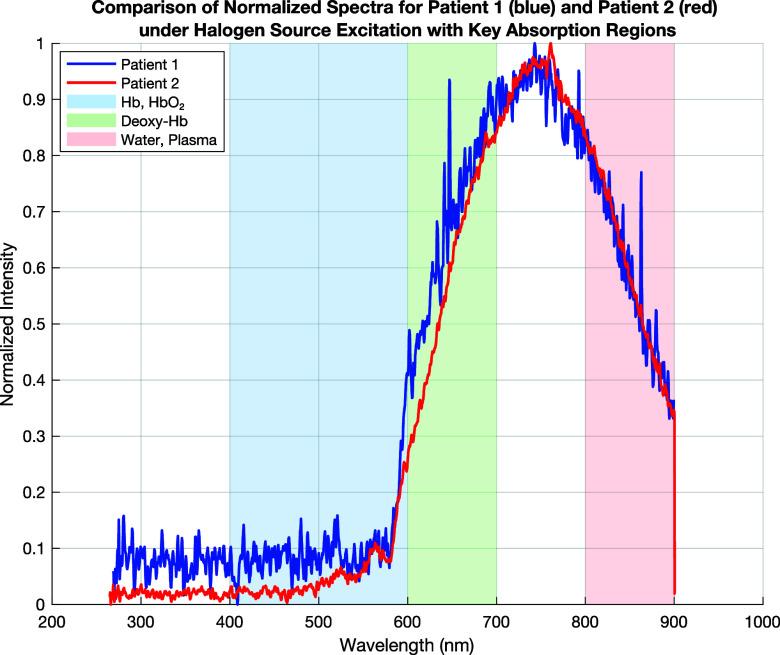
The present paper explores the application of fluorescence spectroscopy in erythrocyte analysis, aiming to enhance spectral diagnostics in biomedical research. The primary objective is to develop innovative methodologies for improving the precision of hematological diagnostics and disease monitoring. Utilizing 3D fluorescence spectroscopy and excitation/emission wavelength mapping, erythrocyte samples are examined across multiple wavelengths, generating distinct spectral profiles that reveal biochemical composition, oxygenation status, and metabolic alterations. Advanced data analysis enables the identification of pathological changes in erythrocytes, contributing to a more comprehensive diagnostic approach. Additionally, this study integrates fluorescence spectroscopy with traditional clinical hematological analysis, comparing spectroscopic findings with complete blood count parameters for two patients. Blood samples were subjected to fluorescence analysis under deuterium, halogen, and ultraviolet excitation sources, allowing for a detailed correlation between spectroscopic biomarkers (hemoglobin, deoxyhemoglobin, and plasma characteristics) and clinical parameters (hemoglobin concentration, hematocrit, and red blood cell indices). The findings demonstrate that fluorescence spectroscopy provides complementary diagnostic insights, detecting subtle physiological variations in blood composition that conventional methods might overlook. By integrating these two diagnostic approaches, this research highlights the potential of fluorescence-based techniques as a noninvasive and efficient tool for hematological diagnostics.
本文探讨了荧光光谱法在红细胞分析中的应用,旨在加强生物医学研究中的光谱诊断。主要目标是开发创新方法,以提高血液学诊断和疾病监测的精度。利用三维荧光光谱法和激发/发射波长映射,对红细胞样本在多个波长下进行检测,生成独特的光谱图谱,揭示其生化组成、氧合状态和代谢变化。先进的数据分析能够识别红细胞中的病理变化,有助于采用更全面的诊断方法。此外,本研究将荧光光谱法与传统临床血液学分析相结合,比较了两名患者的光谱检测结果与全血细胞计数参数。血液样本在氘、卤素和紫外线激发源下进行荧光分析,从而实现光谱生物标志物(血红蛋白、脱氧血红蛋白和血浆特征)与临床参数(血红蛋白浓度、血细胞比容和红细胞指数)之间的详细关联。研究结果表明,荧光光谱法提供了补充性诊断见解,能够检测出传统方法可能忽略的血液成分中细微的生理变化。通过整合这两种诊断方法,本研究突出了基于荧光的技术作为血液学诊断的非侵入性高效工具的潜力。






 Zotero 插件