
植物源抗氧化剂对心脏衰老的影响:机制展望
Impact of plant-derived antioxidants on heart aging: a mechanistic outlook.
作者信息
Khoso Muneer Ahmed, Liu Heng, Zhao Tong, Zhao Wenjie, Huang Qiang, Sun Zeqi, Dinislam Khuzin, Chen Chen, Kong Lingyi, Zhang Yong, Liu Xin
机构信息
State Key Laboratory of Frigid Zone Cardiovascular Diseases (SKLFZCD), Department of Pharmacology, College of Pharmacy, Department of Cardiology, The Second Affiliated Hospital, Harbin Medical University, Harbin, China.
State Key Laboratory-Province Key Laboratories of Biomedicine-Pharmaceutics of China, Key Laboratory of Cardiovascular Research, Ministry of Education, College of Pharmacy, Harbin, China.
出版信息
Front Pharmacol. 2025 Mar 21;16:1524584. doi: 10.3389/fphar.2025.1524584. eCollection 2025.
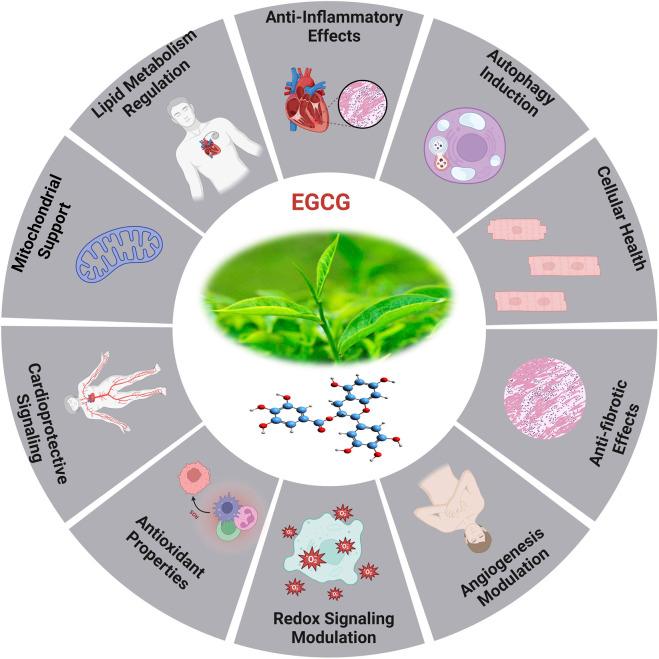
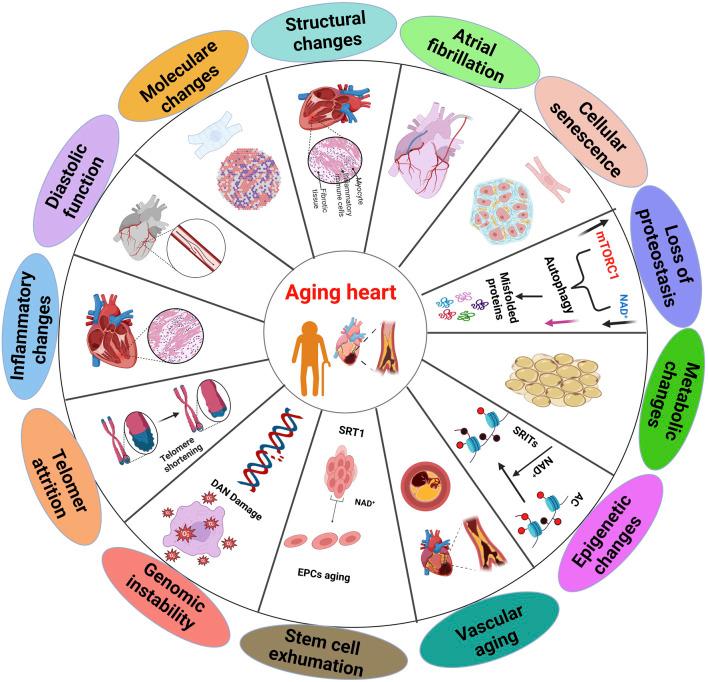
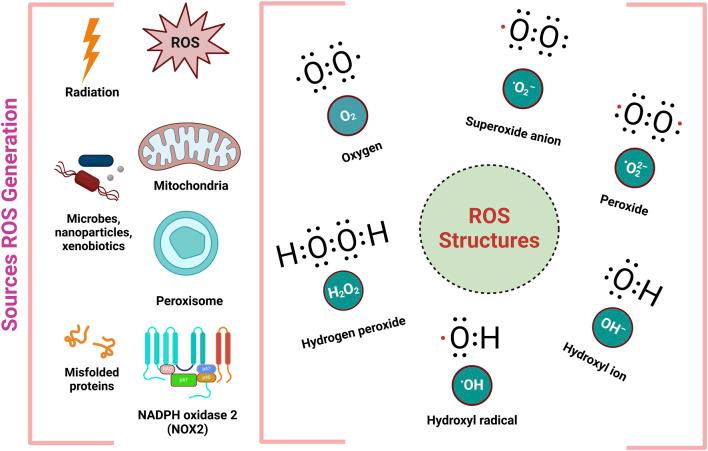
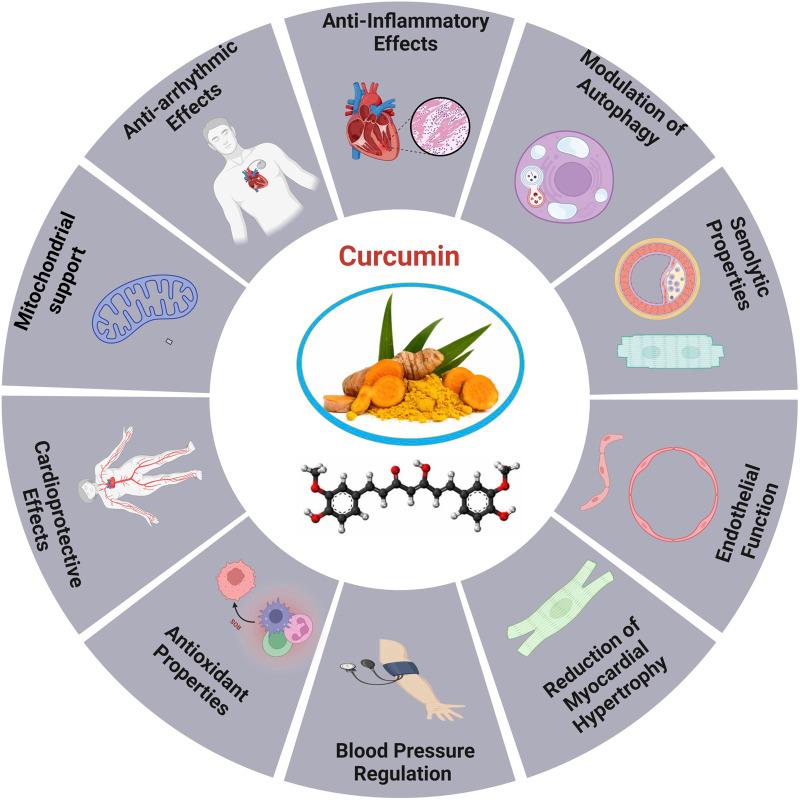
Heart aging involves a complex interplay of genetic and environmental influences, leading to a gradual deterioration of cardiovascular integrity and function. Age-related physiological changes, including ventricular hypertrophy, diastolic dysfunction, myocardial fibrosis, increased arterial stiffness, and endothelial dysfunction, are influenced by key mechanisms like autophagy, inflammation, and oxidative stress. This review aims to explore the therapeutic potential of plant-derived bioactive antioxidants in mitigating heart aging. These compounds, often rich in polyphenols, flavonoids, and other phytochemicals, exhibit notable antioxidant, anti-inflammatory, and cardioprotective properties. These substances have intricate cardioprotective properties, including the ability to scavenge ROS, enhance endogenous antioxidant defenses, regulate signaling pathways, and impede fibrosis and inflammation-promoting processes. By focusing on key molecular mechanisms linked to cardiac aging, antioxidants produced from plants provide significant promise to reduce age-related cardiovascular decline and improve general heart health. Through a comprehensive analysis of preclinical and clinical studies, this work highlights the mechanisms associated with heart aging and the promising effects of plant-derived antioxidants. The findings may helpful for researchers in identifying specific molecules with therapeutic and preventive potential for aging heart.
心脏衰老涉及遗传和环境影响的复杂相互作用,导致心血管完整性和功能逐渐恶化。与年龄相关的生理变化,包括心室肥厚、舒张功能障碍、心肌纤维化、动脉僵硬度增加和内皮功能障碍,受自噬、炎症和氧化应激等关键机制的影响。本综述旨在探讨植物源性生物活性抗氧化剂在减轻心脏衰老方面的治疗潜力。这些化合物通常富含多酚、黄酮类化合物和其他植物化学物质,具有显著的抗氧化、抗炎和心脏保护特性。这些物质具有复杂的心脏保护特性,包括清除活性氧的能力、增强内源性抗氧化防御、调节信号通路以及阻碍纤维化和炎症促进过程。通过关注与心脏衰老相关的关键分子机制,植物产生的抗氧化剂有望显著减少与年龄相关的心血管衰退并改善整体心脏健康。通过对临床前和临床研究的全面分析,这项工作突出了与心脏衰老相关的机制以及植物源性抗氧化剂的显著效果。这些发现可能有助于研究人员识别对衰老心脏具有治疗和预防潜力的特定分子。


 Zotero 插件