
肾移植中平衡液与生理盐水的比较:一项随机对照试验的系统评价和荟萃分析
Plasma-lyte solution versus saline in kidney transplantation: A systematic review and meta-analysis of randomized controlled trials.
作者信息
Chang Yucai, Qin Yuechen, Zou Yue, Zeng Haijian, Li Chunlan, Qin Mengtian, Wu Jianyu, Ban Jian
机构信息
The First Affiliated Hospital of Guangxi University of Science and Technology, Guangxi University of Science and Technology, Liuzhou, Guangxi Province, China.
出版信息
PLoS One. 2025 Apr 9;20(4):e0320082. doi: 10.1371/journal.pone.0320082. eCollection 2025.
INTRODUCTION
The optimal intravenous fluid for kidney transplantation (KT) is still controversial. This meta-analysis aimed to compare the efficacy and safety of plasma-lyte solution (PL) versus saline (NS) in kidney transplantation.
MATERIALS AND METHODS
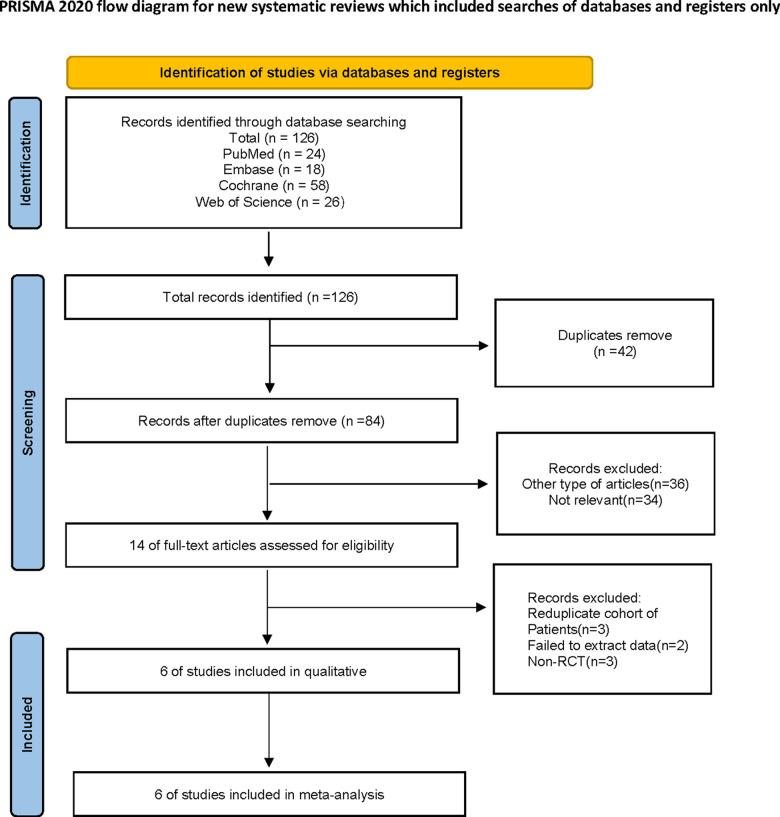
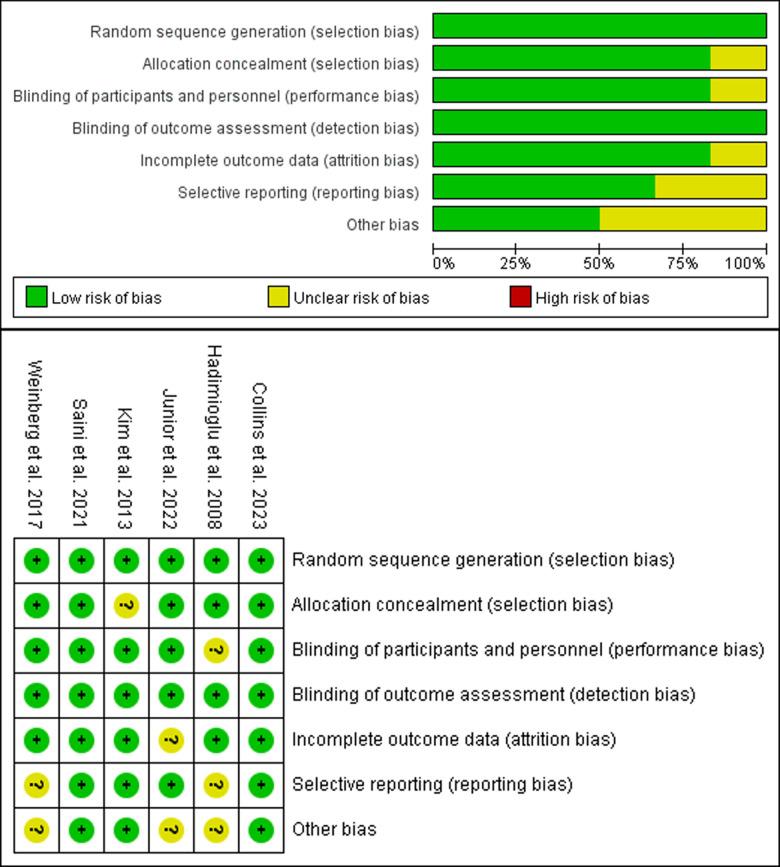
A comprehensive search was conducted across four databases (PubMed, Embase, Web of Science, and the Cochrane Library) to identify relevant randomized controlled trials (RCTs) comparing plasma-lyte and saline in kidney transplantation. Risk of bias was assessed using the Cochrane RoB 2.0 tool. Meta-analyses of delayed graft function (DGF), creatinine levels, urine output, blood pH, bicarbonate, base excess, electrolytes, serum chloride, potassium and sodium immediately post-surgery were performed.
RESULTS
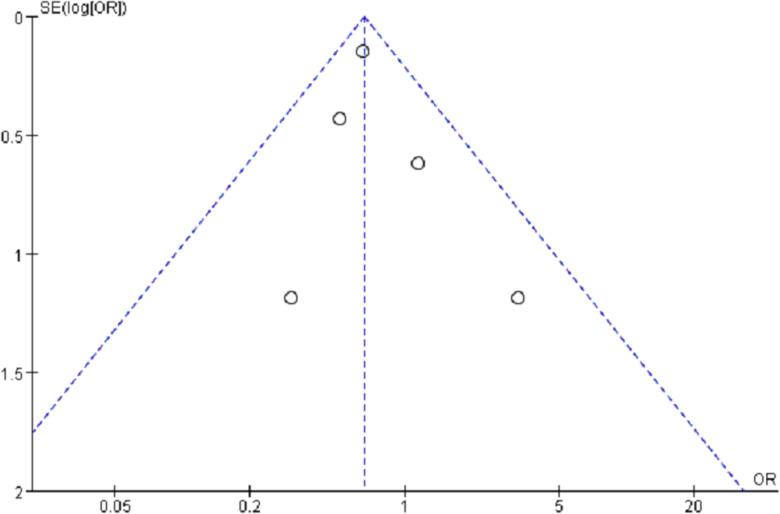
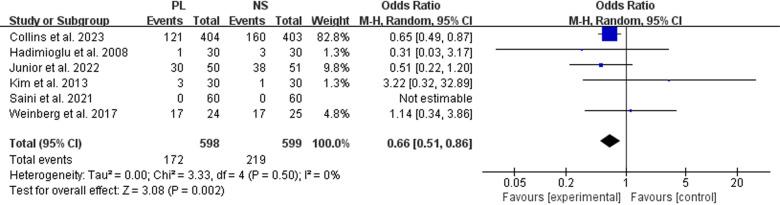
Totally six randomized controlled studies with 1197 patients were included. In comparison to the NS group, the PL group exhibited a significantly lower incidence of DGF (OR: 0.66, 95% CI: 0.51 to 0.86, P = 0.002) and reduced serum chloride (MD: -8.87, 95% CI: -13.50 to -4.25, P = 0.0002) as well as serum sodium(MD: -1.08, 95% CI: -1.54 to -0.61, P < 0.00001), while blood pH(MD: 0.05, 95% CI: 0.03 to 0.07, P < 0.00001), bicarbonate (MD: 2.09, 95% CI: 1.21 to 2.97, P = 0.005), and base excess levels (MD: 2.42, 95% CI: 0.72 to 4.11, P < 0.00001) were significantly elevated. No statistically significant differences were observed in creatinine, urine output, or potassium concentrations between two groups.
CONCLUSIONS
This meta-analysis compared the efficacy and safety between plasma-lyte and saline in kidney transplantation. Plasma-lyte reduced delayed graft function in kidney transplant compared to saline.
TRIAL REGISTRATION
PROSPERO (CRD42024588701).
引言
肾移植(KT)的最佳静脉输液仍存在争议。本荟萃分析旨在比较肾移植中平衡液(PL)与生理盐水(NS)的疗效和安全性。
材料与方法
在四个数据库(PubMed、Embase、科学网和考克兰图书馆)中进行全面检索,以确定比较肾移植中平衡液和生理盐水的相关随机对照试验(RCT)。使用考克兰偏倚风险2.0工具评估偏倚风险。对术后即刻的移植肾功能延迟恢复(DGF)、肌酐水平、尿量、血液pH值、碳酸氢盐、碱剩余、电解质、血清氯、钾和钠进行荟萃分析。
结果
共纳入六项随机对照研究,涉及1197例患者。与生理盐水组相比,平衡液组的移植肾功能延迟恢复发生率显著降低(OR:0.66,95%CI:0.51至0.86,P = 0.002),血清氯(MD:-8.87,95%CI:-13.50至-4.25,P = 0.0002)和血清钠(MD:-1.08,95%CI:-1.54至-0.61,P < 0.00001)降低,而血液pH值(MD:0.05,95%CI:0.03至0.07,P < 0.00001)、碳酸氢盐(MD:2.09,95%CI:1.21至2.97,P = 0.005)和碱剩余水平(MD:2.42,95%CI:0.72至4.11,P < 0.00001)显著升高。两组之间在肌酐、尿量或钾浓度方面未观察到统计学显著差异。
结论
本荟萃分析比较了肾移植中平衡液和生理盐水的疗效和安全性。与生理盐水相比,平衡液可降低肾移植中的移植肾功能延迟恢复。
试验注册
PROSPERO(CRD42024588701)。
 Zotero 插件