
基于不良结局途径(AOPs)的方法评估源自生物质残渣的二氧化硅和木质素纳米材料的体外危害
Adverse Outcome Pathways (AOPs) Oriented Approach to Assess In Vitro Hazard of Silica and Lignin Nanomaterials Derived from Biomass Residues.
作者信息
Bengalli Rossella Daniela, Gualtieri Maurizio, Ornelas Mariana, Tzanov Tzanko, Mantecca Paride
机构信息
POLARIS Research Center, Department of Earth and Environmental Sciences, University of Milano-Bicocca, Piazza della Scienza 1, 20126 Milan, Italy.
Interuniversity Center for the Promotion of the 3Rs Principles in Teaching and Research, 56122 Pisa, Italy.
出版信息
Nanomaterials (Basel). 2025 Apr 4;15(7):549. doi: 10.3390/nano15070549.
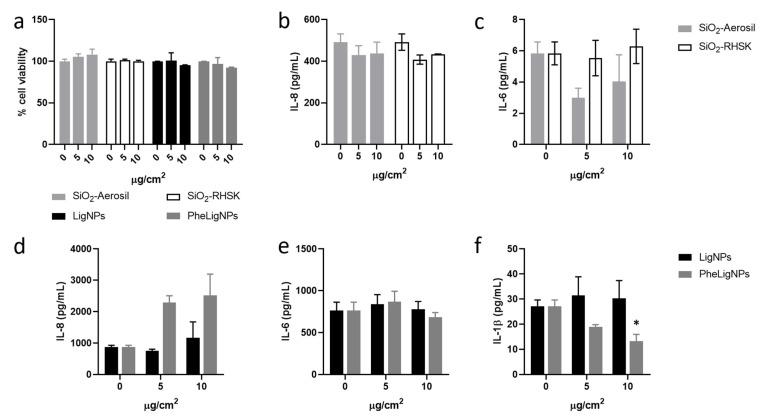
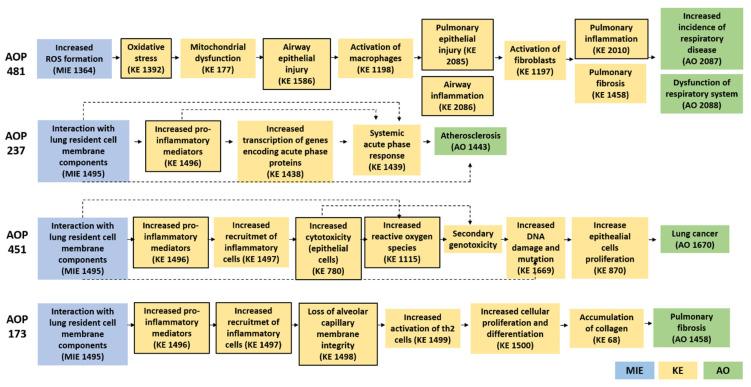
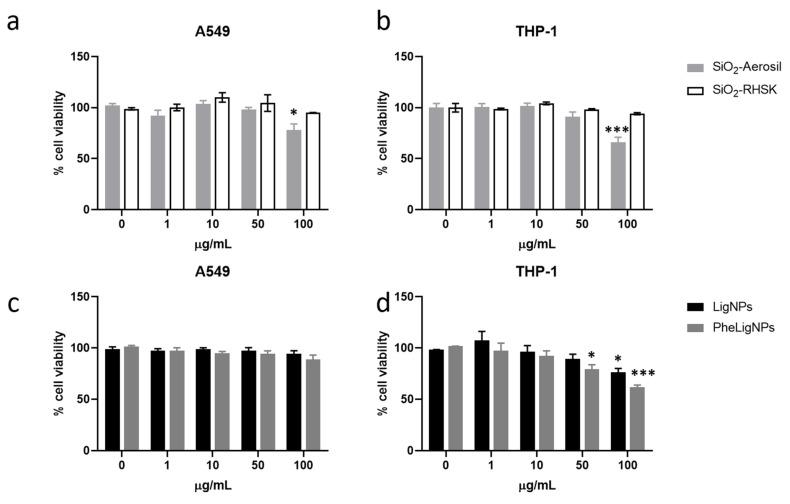
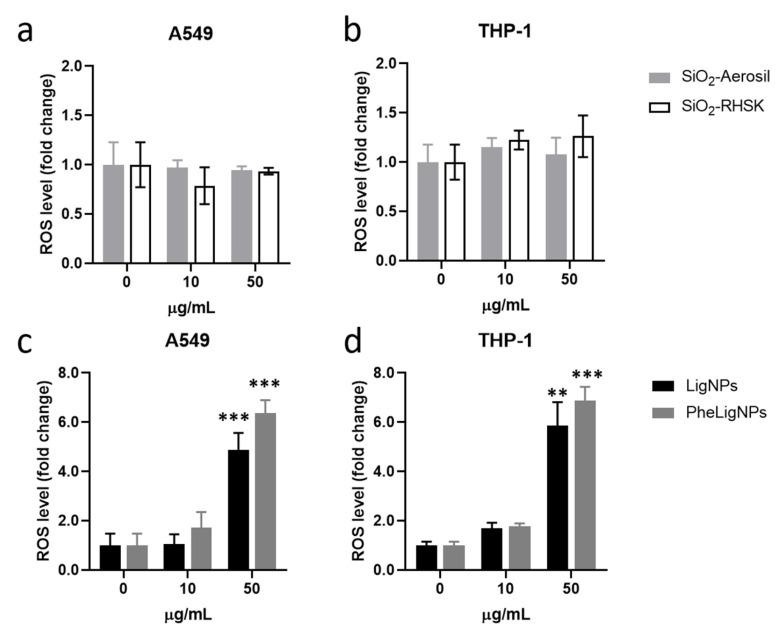
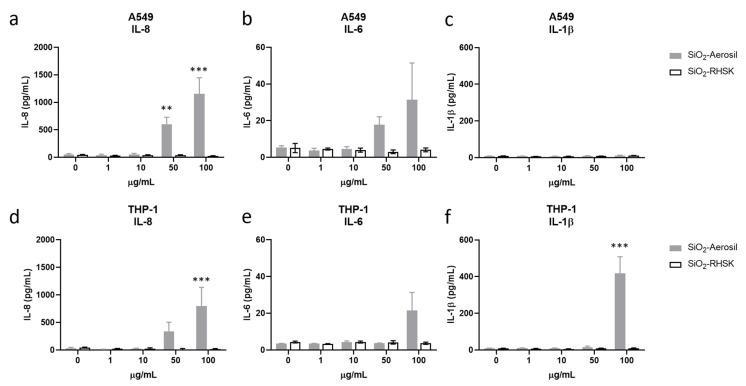
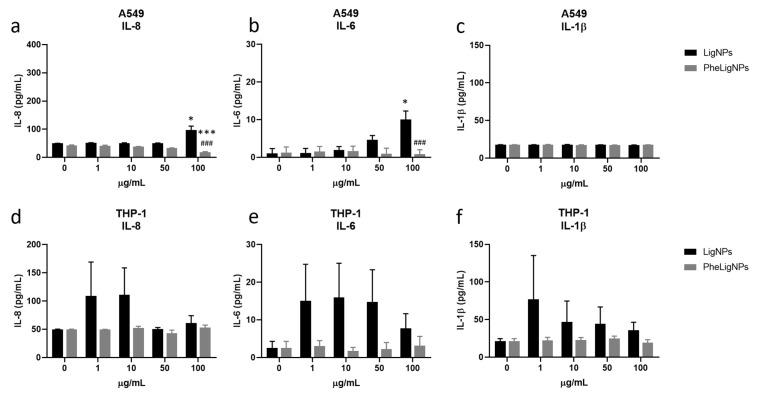
Bio-based nanomaterials (B-NMs), such as silica oxide (SiO)- and lignin (Lig)- based nanoparticles (NPs) derived from biomass waste, have gained attention in the last few years in the view of promoting the sustainability principles in several applications. However, scarce data are available about their safety. Thus, a hazard-testing strategy was designed considering as a reference the safe-and-sustainable-by-design (SSbD) framework for chemicals and materials, prioritizing the use of new approach methodologies (NAMs), such as in vitro and adverse outcome pathways (AOPs) approaches, for generating data about the potential hazard of B-NMs. Literature research was performed to identify the adverse outcomes (AOs) related to the selected B-NMs. All the AOPs investigated shared at least oxidative stress, inflammation and cytotoxicity as key events (KEs) that were investigated in lung and immune cells. The tested B-NMs resulted either non-toxic or moderately toxic towards human cells, validating their biocompatibility when compared to reference NMs of similar composition, but not of bio-origin. However, attention should be given to possible AOs deriving after specific functionalization of the B-NMs. Considering the lack of knowledge in this field, the studies performed represent a step forward in the state of the art of the safety assessment of B-NMs.
生物基纳米材料(B-NMs),例如源自生物质废料的氧化硅(SiO)和木质素(Lig)基纳米颗粒(NPs),鉴于在多种应用中促进可持续性原则,在过去几年中受到了关注。然而,关于它们安全性的数据却很少。因此,设计了一种危害测试策略,以化学品和材料的安全且可持续设计(SSbD)框架为参考,优先使用新方法学(NAMs),如体外和不良结局途径(AOPs)方法,来生成有关B-NMs潜在危害的数据。进行了文献研究,以确定与所选B-NMs相关的不良结局(AOs)。所有研究的AOPs至少都将氧化应激、炎症和细胞毒性作为关键事件(KEs),这些在肺和免疫细胞中进行了研究。测试的B-NMs对人类细胞要么无毒,要么具有中等毒性,与类似组成但非生物来源的参考纳米颗粒相比,验证了它们的生物相容性。然而,应注意B-NMs经过特定功能化后可能产生的不良结局。考虑到该领域知识的匮乏,所进行的研究代表了B-NMs安全评估领域的技术进步。


 Zotero 插件