
青少年特发性脊柱侧弯畸形矫正技术——现有文献的叙述性综述
Techniques of Deformity Correction in Adolescent Idiopathic Scoliosis-A Narrative Review of the Existing Literature.
作者信息
Jain Aakash, Ahuja Kaustubh, Roberts Simon B, Tsirikos Athanasios I
机构信息
All India Institute of Medical Sciences, Rishikesh 249201, India.
Scottish National Spine Deformity Centre, Royal Hospital for Children and Young People, Edinburgh EH16 4TJ, UK.
出版信息
J Clin Med. 2025 Mar 31;14(7):2396. doi: 10.3390/jcm14072396.
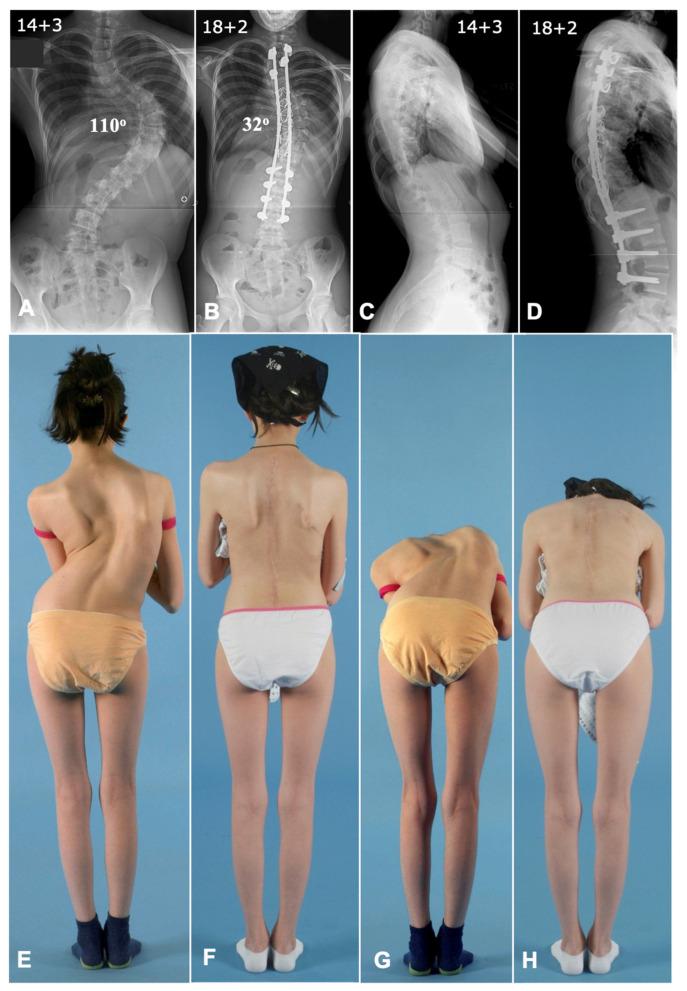
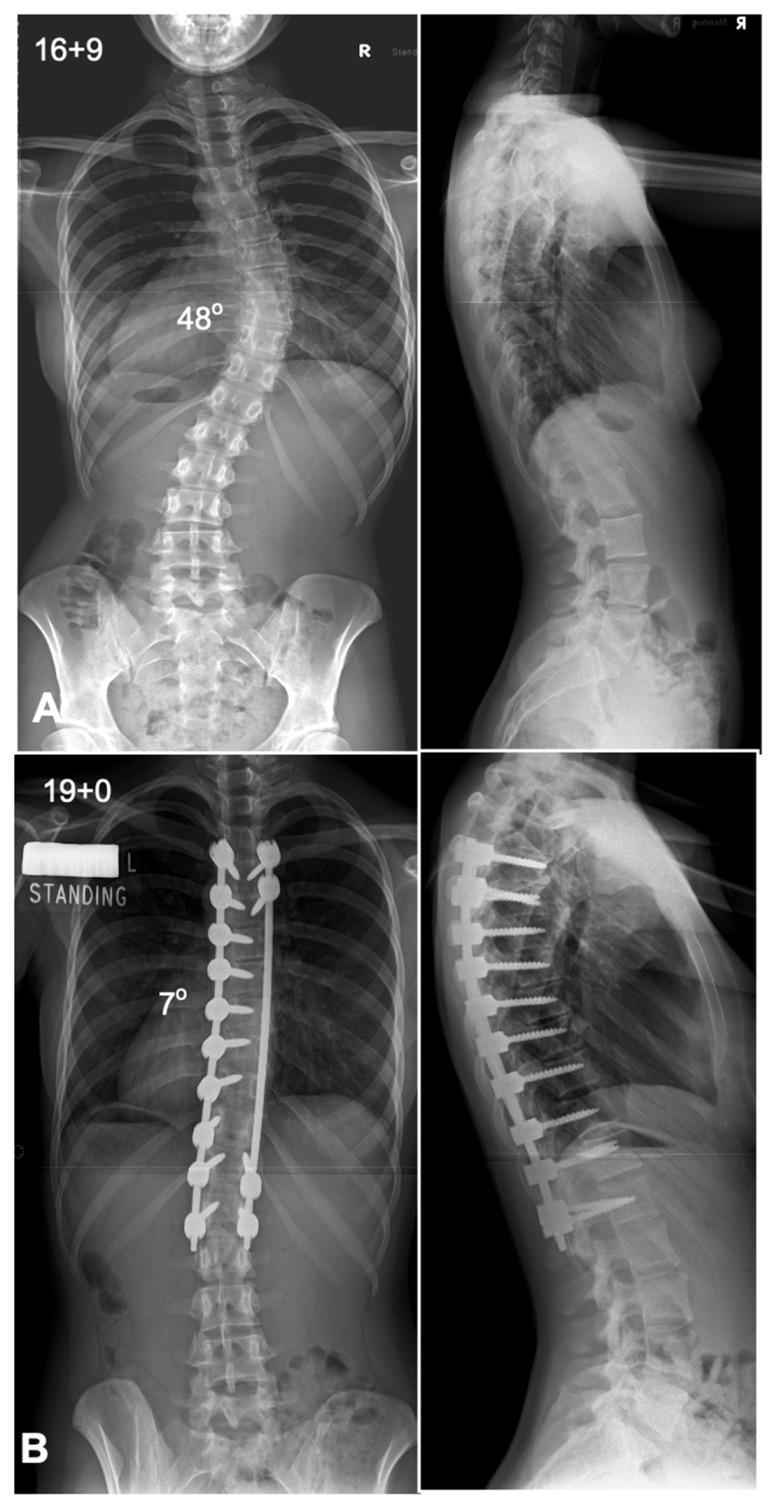
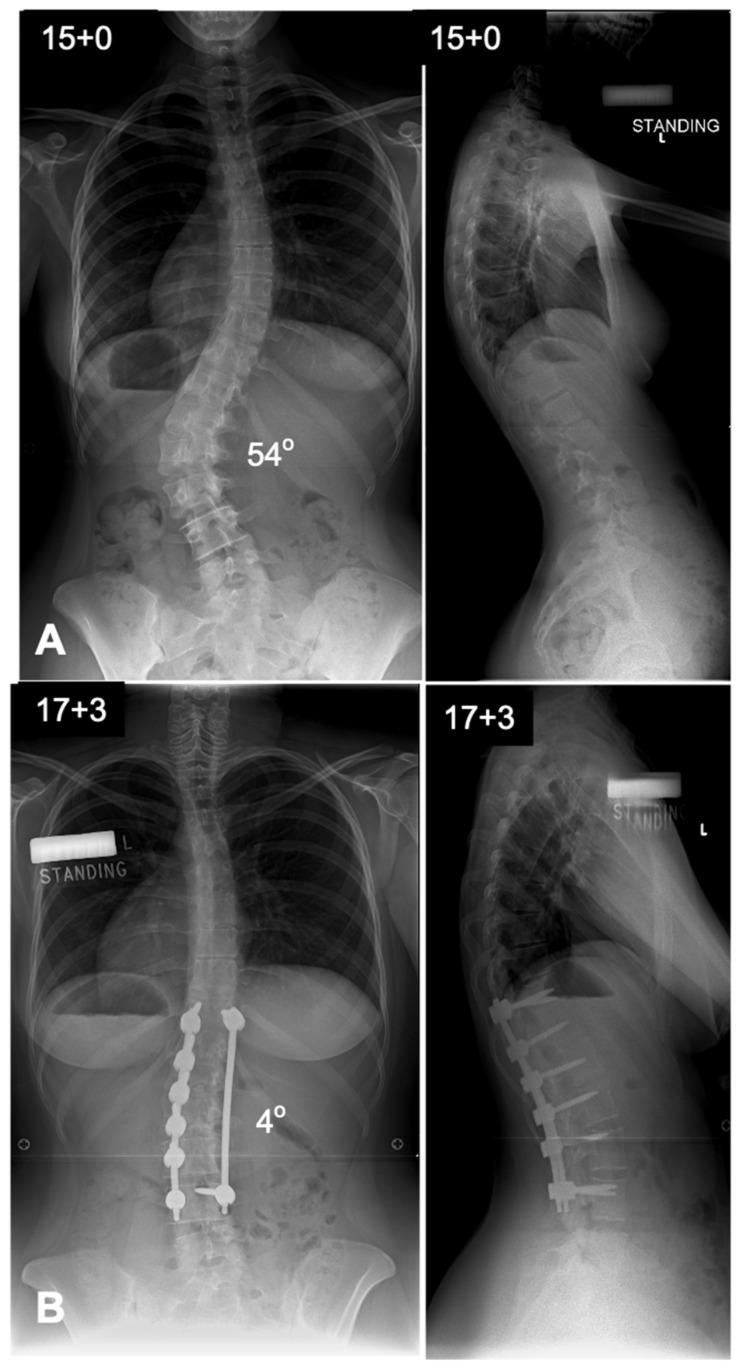
Surgical management of adolescent idiopathic scoliosis [AIS] is a complex undertaking with the primary goals to correct the deformity, maintain sagittal balance, preserve pulmonary function, maximize postoperative function, and improve or at least not harm the function of the lumbar spine. The evolution of surgical techniques for AIS has been remarkable, transitioning from rudimentary methods of spinal correction to highly refined, biomechanically sound procedures. Modern techniques incorporate advanced three-dimensional correction strategies, often leveraging pedicle screw constructs, which provide superior rotational control of the vertebral column. A number of surgical techniques have been described in the literature, each having its own pros and cons. This narrative review provides a detailed analysis of the contemporary surgical techniques used in the treatment of patients with AIS.
青少年特发性脊柱侧凸(AIS)的外科治疗是一项复杂的工作,主要目标是矫正畸形、维持矢状面平衡、保留肺功能、使术后功能最大化,以及改善或至少不损害腰椎功能。AIS外科技术的发展十分显著,已从基本的脊柱矫正方法转变为高度精细、生物力学合理的手术。现代技术采用先进的三维矫正策略,常利用椎弓根螺钉结构,从而对脊柱提供更好的旋转控制。文献中描述了多种外科技术,每种技术都有其优缺点。本叙述性综述对治疗AIS患者时使用的当代外科技术进行了详细分析。




 Zotero 插件