
间充质干细胞来源的细胞外囊泡在神经退行性疾病治疗中的研究进展
Research progress of extracellular vesicles derived from mesenchymal stem cells in the treatment of neurodegenerative diseases.
作者信息
Shen Haibin, Chen Jie, Liu Meijin, Zhao Minghong, Hu Die, Xie Fangfang, Jin Qing, Xiao Dewang, Peng Zongbo, Qin Tao, Rao Dingyu, Huang Defa
机构信息
Laboratory Medicine, First Affiliated Hospital of Gannan Medical University, Ganzhou, China.
Department of Laboratory Medicine, Yongchuan Hospital of Chongqing Medical University, Chongqing, Yongchuan, China.
出版信息
Front Immunol. 2025 Apr 2;16:1496304. doi: 10.3389/fimmu.2025.1496304. eCollection 2025.
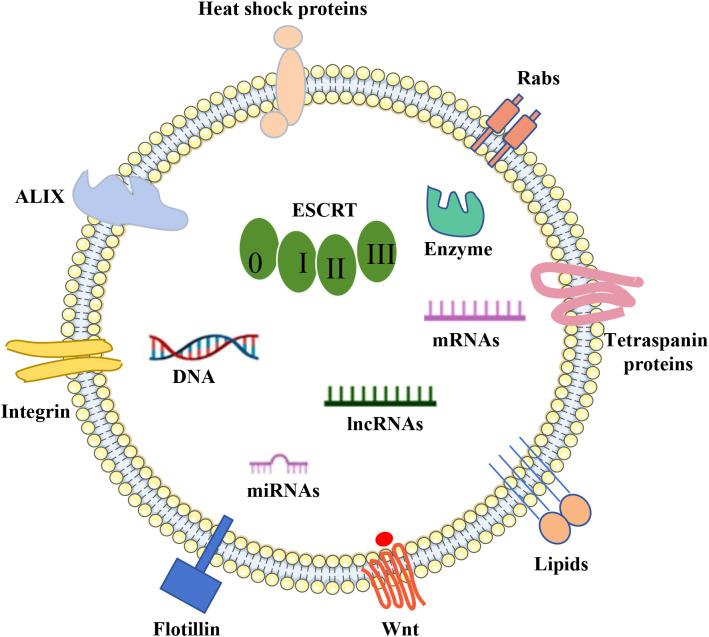
As the world's population ages, neurodegenerative diseases are becoming more widely acknowledged as serious global health and socioeconomic issues. Although many resources have been devoted to the research of these illnesses, little progress has been made in the creation of novel diagnostic and therapeutic approaches. Extracellular vesicles (EVs) are released by all cell types and contain proteins, microRNAs, mRNAs, and other biologically active molecules. EVs play an important role in intercellular communication as well as in the regulation of neuroinflammation. Determining the mechanisms by which EVs contribute to the pathogenesis of neurodegenerative diseases will aid in the development of new therapeutic approaches and diagnostic tools. Mesenchymal stem cells (MSCs) have been shown in studies to control immunological responses, promote the growth of new brain connections, promote the production of blood vessels, and heal damaged tissues. There is growing evidence that MSCs' ability to treat patients is mostly due to the neurotrophic compounds they secrete through EVs. Since their tiny size allows them to pass through biological barriers and reach injured parts of the central nervous system, MSC-derived extracellular vesicles (MSC-EVs) retain many of the therapeutic qualities of their parent MSCs. This review discusses the role of EVs in neurodegenerative diseases and highlights the potential of MSC-EVs in the treatment of neurodegenerative diseases. The paper also examines the challenges that still need to be overcome and the prospects for using MSC-EVs to treat neurodegenerative illnesses.
随着世界人口老龄化,神经退行性疾病作为严重的全球健康和社会经济问题正得到更广泛的认可。尽管已投入大量资源研究这些疾病,但在开发新的诊断和治疗方法方面进展甚微。细胞外囊泡(EVs)由所有细胞类型释放,包含蛋白质、微小RNA、信使RNA和其他生物活性分子。EVs在细胞间通讯以及神经炎症调节中发挥重要作用。确定EVs促成神经退行性疾病发病机制将有助于开发新的治疗方法和诊断工具。研究表明间充质干细胞(MSCs)可控制免疫反应、促进新的脑连接生长、促进血管生成并修复受损组织。越来越多的证据表明,MSCs治疗患者的能力主要归因于它们通过EVs分泌的神经营养化合物。由于其微小尺寸使其能够穿过生物屏障并到达中枢神经系统的受损部位,源自间充质干细胞的细胞外囊泡(MSC-EVs)保留了其母体MSCs的许多治疗特性。本综述讨论了EVs在神经退行性疾病中的作用,并强调了MSC-EVs在治疗神经退行性疾病方面的潜力。本文还探讨了仍需克服的挑战以及使用MSC-EVs治疗神经退行性疾病的前景。

 Zotero 插件