
母婴皮肤接触的患病率及影响因素:基于2017 - 18年孟加拉国人口与健康调查数据的评估
Prevalence and determinants of mother and newborn skin-to-skin contact: an assessment from the 2017-18 BDHS data.
作者信息
Sharif Azaz Bin, Hawlader Mohammad Delwer Hossain, Nabi Mohammad Hayatun
机构信息
Department of Public Health, North South University, Dhaka, 1229, Bangladesh.
Global Health Institute, North South University, Dhaka, 1229, Bangladesh.
出版信息
BMC Pregnancy Childbirth. 2025 Apr 17;25(1):460. doi: 10.1186/s12884-025-07291-y.
BACKGROUND
Evidence shows that skin-to-skin contact (SSC) enhances children's well-being. More information is needed on the prevalence and determinants of SSC in Bangladesh. This study aimed to estimate the prevalence and associated factors of mothers and their newborns' skin-to-skin contact in Bangladesh.
METHODS
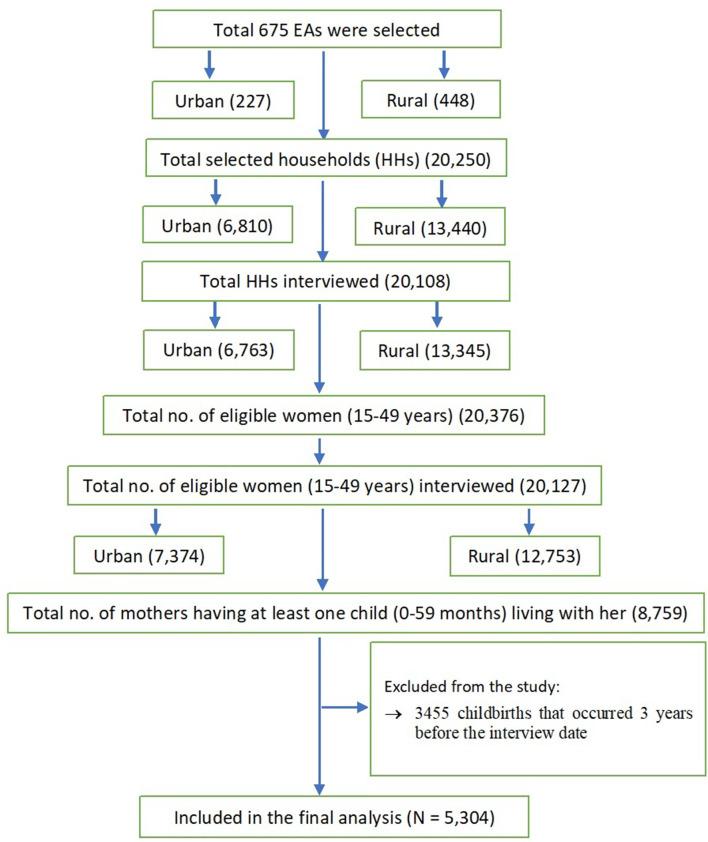
Data extracted from a cross-sectional survey, (Bangladesh Demographic and Health Survey (BDHS) 2017-18), where 5304 (unweighted) women who gave birth in the last 3 years preceding the survey were included in the final analysis. Multivariable logistic regression analysis was used to identify the determinants of SSC practice. Adjusted odds ratios (aORs) with their corresponding 95% confidence intervals (CIs) were reported.
RESULTS
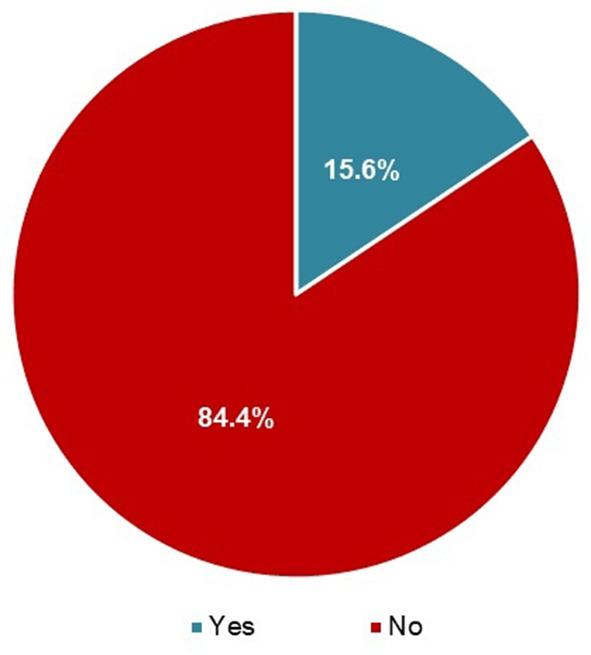
The prevalence of SSC practice in Bangladesh was 15.6% (95% CI [14.3, 17.0]). The adjusted regression model showed that the SSC practice was significantly associated with the geographic region, place of delivery, mode of delivery, and number of antenatal care visits. The SSC practice was 50% lower (aOR = 0.5, 95% CI [0.3, 0.8]) in the Rajshahi Division compared to the Dhaka Division. Women who had an institutional delivery had 2 times higher odds (aOR = 2.0, 95% CI [1.6, 2.5]) of SSC practice than women who had experienced a non-institutional delivery. Compared to women who delivered by cesarean section, the odds of SSC practice were 2.1 times higher (aOR = 2.1, 95% CI [1.6, 2.6]) for women who had a normal delivery. Women who completed at least four antenatal visits had 20% higher odds (aOR = 1.2, 95% CI [1.0, 1.4]) of SSC practice than women who completed fewer than four antenatal visits.
CONCLUSION
Given that only approximately one-sixth of the surveyed women are engaged in SSC practice, informal instructional and awareness programs are necessary in Bangladesh to promote the importance and extent of SSC practice.
背景
有证据表明,皮肤接触(SSC)可提升儿童的幸福感。关于孟加拉国皮肤接触的患病率及决定因素,还需要更多信息。本研究旨在估计孟加拉国母亲及其新生儿皮肤接触的患病率及相关因素。
方法
数据取自一项横断面调查(2017 - 2018年孟加拉国人口与健康调查(BDHS)),最终分析纳入了在调查前过去3年中分娩的5304名(未加权)妇女。采用多变量逻辑回归分析来确定皮肤接触行为的决定因素。报告了调整后的优势比(aORs)及其相应的95%置信区间(CIs)。
结果
孟加拉国皮肤接触行为的患病率为15.6%(95% CI [14.3, 17.0])。调整后的回归模型显示,皮肤接触行为与地理区域、分娩地点、分娩方式和产前检查次数显著相关。与达卡专区相比,拉杰沙希专区的皮肤接触行为发生率低50%(aOR = 0.5,95% CI [0.3, 0.8])。在医疗机构分娩的妇女进行皮肤接触的几率是未在医疗机构分娩妇女的2倍(aOR = 2.0,95% CI [1.6, 2.5])。与剖宫产分娩的妇女相比,顺产妇女进行皮肤接触的几率高2.1倍(aOR = 2.1,95% CI [1.6, 2.6])。完成至少4次产前检查的妇女进行皮肤接触的几率比产前检查次数少于4次的妇女高20%(aOR = 1.2,95% CI [1.0, 1.4])。
结论
鉴于只有约六分之一的受访妇女进行皮肤接触,孟加拉国需要开展非正式的指导和宣传项目,以提高对皮肤接触重要性和范围的认识。
 Zotero 插件