
利用不同技术从甜菜根中提取和分析天然色素及其在冰淇淋制作中的应用
Extraction and Analysis of Natural Color From Beetroot ( L.) Using Different Techniques, and Its Utilization in Ice Cream Manufacturing.
作者信息
Khalil Salman, Laaraj Salah, Firdous Nida, Farooq Umar, Bouhrim Mohamed, Herqash Rashed N, Shahat Abdelaaty A, Hussain Ashiq, Mouhaddach Aziz, Eto Bruno, Batool Aliza, Bibi Barira, Ayesha Amina, Arshad Farooq, Elfazazi Kaoutar
机构信息
Faculty of Food and Home Sciences Muhmmad Nawaz Shareef University of Agriculture Multan Pakistan.
Agri-Food Technology and Quality Laboratory, Regional Centre of Agricultural Research of Tadla National Institute of Agricultural Research (INRA) Rabat Morocco.
出版信息
Food Sci Nutr. 2025 Apr 18;13(4):e70167. doi: 10.1002/fsn3.70167. eCollection 2025 Apr.
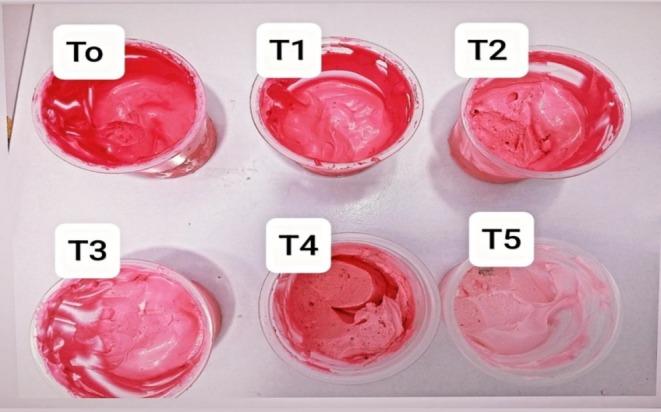
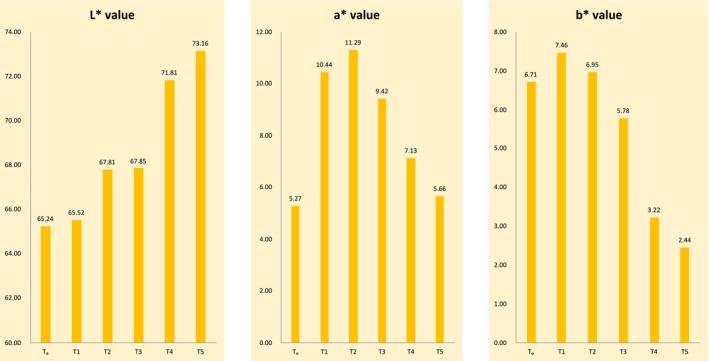
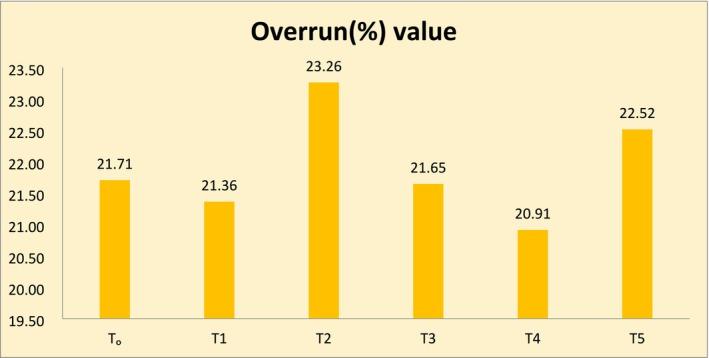
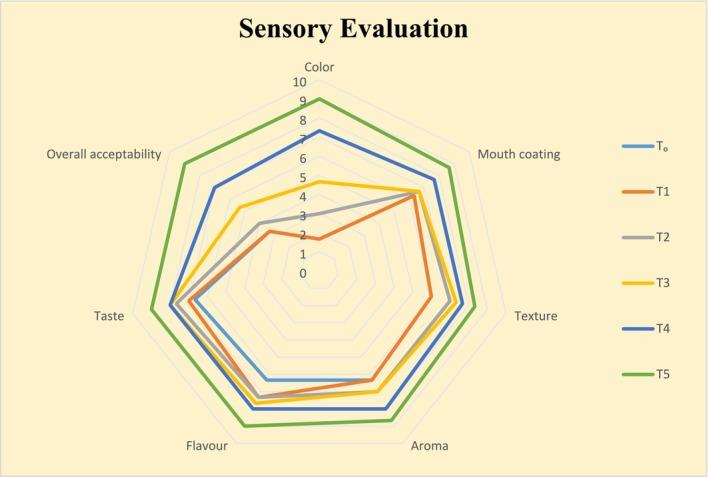
A rich source of natural color, beetroot (Beta vulgaris L. subsp. vulgaris) extracts and colorants offer deep red color to the dishes and boost their nutritional and antioxidant value. This research extracted beetroot color using Soxhlet, cold press, and ultrasonic methods. After testing the extracts for yield %, color (L*, a*, and b*), betalains, total polyphenols, and antioxidant activity, the colorant was used to make ice cream. The results of three techniques revealed that the extract obtained from Soxhlet extraction (SE) has more total phenolic content (244.11 mg GAE/100 g), DPPH free radical scavenging activity (23.41%), significantly higher yield (48.05%), and better color results, as compared to the other extraction techniques. However, the contents of betalains (399.47 mg/L) were observed more in the extract obtained from ultrasonic extraction (UE). The extract obtained after the SE technique was further utilized in the ice cream manufacturing to check its acceptability in this product, compared to the artificial color. Six samples of ice cream were developed having different ratios of beetroot-derived color and artificial color. Control ice cream (T0) contained artificial color, whereas ice cream (T5) was developed by replacing complete artificial color with beetroot-derived color. The other treatments (T1), (T2), (T3), and (T4) contained a combination of both natural and artificial colors with different proportions. Various quality parameters of these ice cream formulations, such as pH, acidity, brix, melting rate, overrun, and specific gravity, were studied. The result signified that the addition of beetroot color did not have a considerable effect on these attributes. The result of color analysis of ice cream suggested that the mean value of L* is higher in T5 (73.16), which only contains 0.1% beetroot color, and is lowest in T0 (65.24), which contains 0.1% artificial color. The addition of natural colorant resulted in a higher L* value. Sensory characteristics including color, mouth coating, flavor, aroma, texture, and overall acceptability of T5 showed more acceptance and significant results as compared to other treatments that contained artificial colors. Therefore, the beetroot-derived natural colorants could be employed to develop nutritional, healthy, and acceptable ice cream.
甜菜根(Beta vulgaris L. subsp. vulgaris)提取物和色素是天然色素的丰富来源,可为菜肴提供深红色,并提高其营养价值和抗氧化价值。本研究采用索氏提取法、冷榨法和超声法提取甜菜根色素。在对提取物的得率%、颜色(L*、a和b)、甜菜红素、总多酚和抗氧化活性进行测试后,将该色素用于制作冰淇淋。三种技术的结果表明,与其他提取技术相比,索氏提取法(SE)得到的提取物总酚含量更高(244.11 mg GAE/100 g)、DPPH自由基清除活性更高(23.41%)、得率显著更高(48.05%)且颜色效果更好。然而,超声提取法(UE)得到的提取物中甜菜红素含量(399.47 mg/L)更高。将SE技术得到的提取物进一步用于冰淇淋制作,以检验其与人工色素相比在该产品中的可接受性。制作了六个不同比例的甜菜根色素和人工色素的冰淇淋样品。对照冰淇淋(T0)含有人工色素,而冰淇淋(T5)是通过用甜菜根色素完全替代人工色素制作而成。其他处理(T1)、(T2)、(T3)和(T4)含有不同比例的天然色素和人工色素的组合。研究了这些冰淇淋配方的各种质量参数,如pH值、酸度、糖度、融化速率、膨胀率和比重。结果表明,添加甜菜根色素对这些属性没有显著影响。冰淇淋颜色分析结果表明,仅含有0.1%甜菜根色素的T5的L平均值较高(73.16),而含有0.1%人工色素的T0的L平均值最低(65.24)。添加天然色素导致L*值更高。与含有人工色素的其他处理相比,T5的感官特性包括颜色、口感、风味、香气、质地和总体可接受性表现出更高的接受度和显著的结果。因此,甜菜根来源的天然色素可用于开发营养、健康且可接受的冰淇淋。
 Zotero 插件