
嵌合抗原受体T细胞疗法用于内分泌癌的潜力。
The potential of chimeric antigen receptor -T cell therapy for endocrine cancer.
作者信息
Yu Ruonan, Ji Xiaoyu, Zhang Ping, Zhang Hao, Qu Huiling, Dong Wenwu
机构信息
Department of Thyroid Surgery, The First Hospital of China Medical University, No. 155 Nanjing North Street, Shenyang, Liaoning, 110001, China.
Department of Neurology, The General Hospital of Northern Theater Command, 83 Wen Hua Road, Shenyang, Liaoning, 110840, China.
出版信息
World J Surg Oncol. 2025 Apr 22;23(1):153. doi: 10.1186/s12957-025-03745-x.
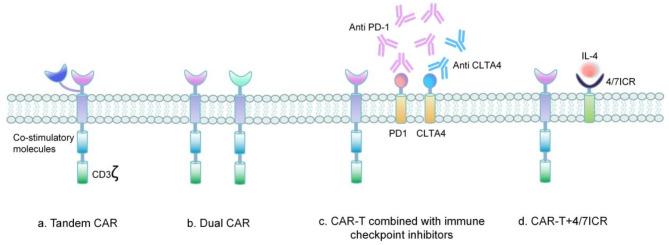
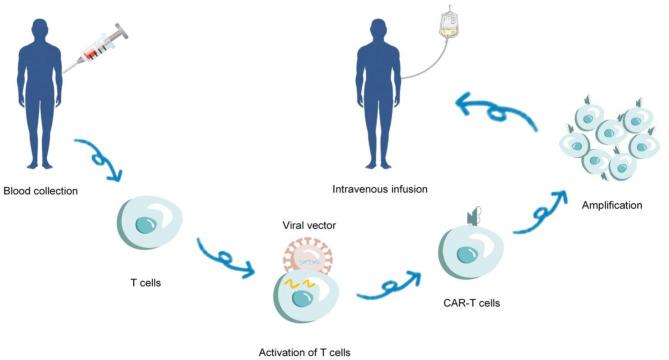
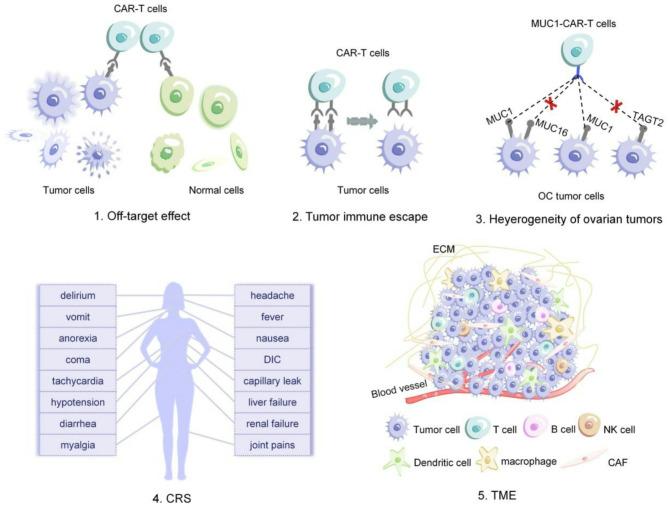
Endocrine cancer, a relatively rare and heterogeneous tumor with diverse clinical features. The facile synthesis of hormones further complicates endocrine cancer treatment. Thus, the development of safe and effective systemic treatment approaches, such as chimeric antigen receptor (CAR) T cell therapy, is imperative to enhance the prognosis of patients with endocrine cancer. Although this therapy has achieved good results in the treatment of hematological malignancies, it encounters diverse complications and challenges in the context of endocrine cancer. This review delineates the generation of CAR-T cells, examines the potential of CAR-T cell therapy for endocrine cancer, enumerates pivotal antigens linked to endocrine cancer, encapsulates the challenges confronted with CAR-T cell therapy for endocrine cancer, and expounds upon strategies to overcome these limitations. The primary objective is to provide insightful perspectives that can contribute to the advancement of CAR-T cell therapy in the field of endocrine cancer.
内分泌癌是一种相对罕见且异质性的肿瘤,具有多样的临床特征。激素的易合成性进一步使内分泌癌的治疗复杂化。因此,开发安全有效的全身治疗方法,如嵌合抗原受体(CAR)T细胞疗法,对于提高内分泌癌患者的预后至关重要。尽管这种疗法在血液系统恶性肿瘤的治疗中取得了良好效果,但在内分泌癌的背景下,它面临着各种并发症和挑战。本综述阐述了CAR-T细胞的产生,研究了CAR-T细胞疗法治疗内分泌癌的潜力,列举了与内分泌癌相关的关键抗原,概括了CAR-T细胞疗法治疗内分泌癌所面临的挑战,并阐述了克服这些局限性的策略。主要目的是提供有见地的观点,以促进CAR-T细胞疗法在内分泌癌领域的发展。


 Zotero 插件