
开发用于干预异种毒物诱导的帕金森病发病的新型碳基生物医学平台。
Development of novel carbon-based biomedical platforms for intervention in xenotoxicant-induced Parkinson's disease onset.
作者信息
Kumar Jyotish, Varela-Ramirez Armando, Narayan Mahesh
机构信息
Department of Chemistry and Biochemistry, The University of Texas at El Paso (UTEP), El Paso, USA.
The Department of Biological Sciences, Border Biomedical Research Center, The Cellular Characterization and Biorepository Core Facility, The University of Texas at El Paso (UTEP), Texas, USA.
出版信息
BMEmat. 2024 Dec;2(4). doi: 10.1002/bmm2.12072. Epub 2024 Jan 27.
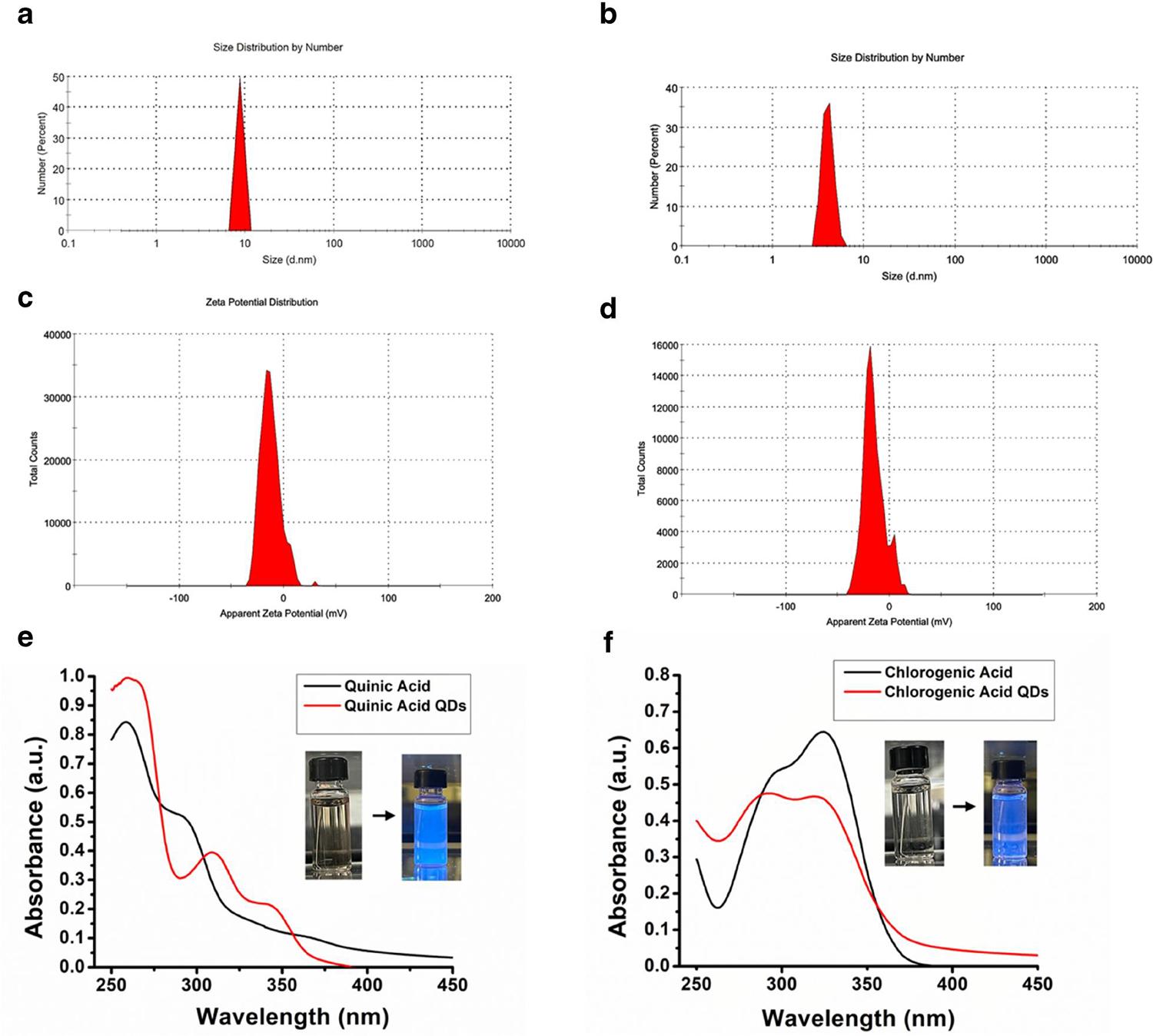
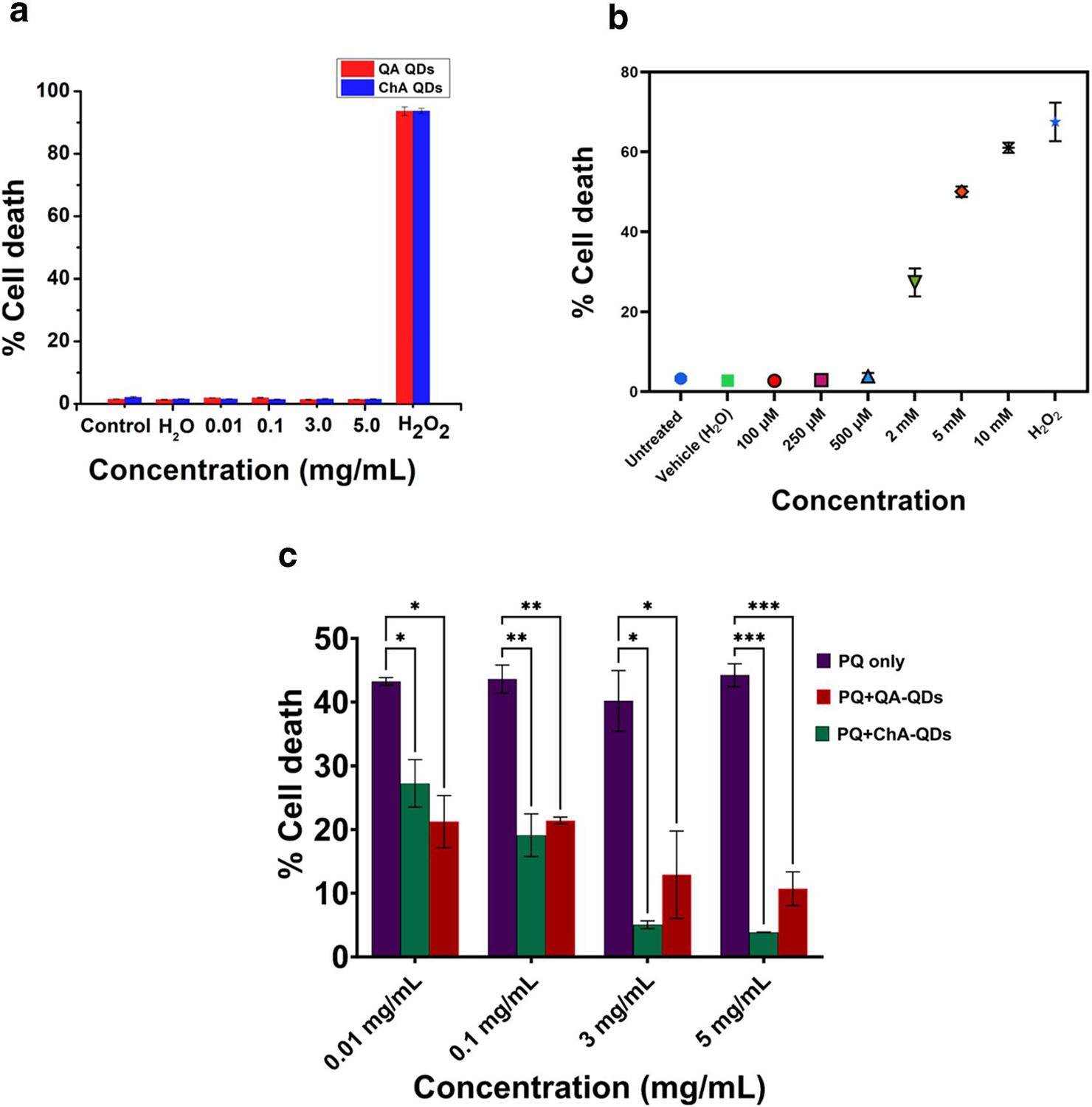
Chronic exposure to herbicides, weedicides, and pesticides is associated with the onset and progress of neurodegenerative disorders such as Parkinson's disease (PD), Alzheimer's disease (AD), and Amyotrophic Lateral Sclerosis (ALS). Here, we have investigated whether quinic- and chlorogenic-acid-derived Carbon Quantum Dots (QACQDs and ChACQDs, respectively) protect against a (pesticide) paraquat-insult model of PD. Our results indicated that both types of CQDs intervened in the soluble-to-toxic transformation of the amyloid-forming model protein Hen Egg White Lysozyme (HEWL). Furthermore, QACQDs and ChACQDs demonstrated antioxidant activity while remaining biocompatible in a human neuroblastoma-derived cell line (SH-SY5Y) up to 5 mg/ml and protected the cell line from the environmental neurotoxicant (paraquat). Importantly, both CQDs were found to protect dopaminergic neuronal ablation in a paraquat model of Parkinson's disease using the nematode . . Our results are significant because both plant-derived organic acids cross the blood-brain barrier, making them attractive for developing CQD architectures. Furthermore, since the synthesis of these CQDs was performed using green chemistry methods from precursor acids that cross the BBB, these engineered bionanomaterial platforms are tantalizing candidates for preventing neurodegenerative disorders associated with exposure to environmental neurotoxicants.
长期接触除草剂、除莠剂和杀虫剂与神经退行性疾病如帕金森病(PD)、阿尔茨海默病(AD)和肌萎缩侧索硬化症(ALS)的发生和发展有关。在此,我们研究了奎尼酸和绿原酸衍生的碳量子点(分别为QACQD和ChACQD)是否能保护细胞免受帕金森病(农药)百草枯损伤模型的影响。我们的结果表明,这两种类型的碳量子点都干预了淀粉样蛋白形成模型蛋白鸡蛋清溶菌酶(HEWL)从可溶到有毒的转变。此外,QACQD和ChACQD表现出抗氧化活性,同时在高达5mg/ml的人神经母细胞瘤衍生细胞系(SH-SY5Y)中保持生物相容性,并保护该细胞系免受环境神经毒物(百草枯)的侵害。重要的是,在使用线虫的帕金森病百草枯模型中发现这两种碳量子点都能保护多巴胺能神经元消融。我们的结果意义重大,因为这两种植物衍生的有机酸都能穿过血脑屏障,这使得它们对于开发碳量子点结构具有吸引力。此外,由于这些碳量子点是使用绿色化学方法从前体酸合成的,而这些前体酸能穿过血脑屏障,因此这些工程化的生物纳米材料平台是预防与接触环境神经毒物相关的神经退行性疾病的诱人候选物。





 Zotero 插件