
钛种植体酸蚀与SLA表面改性的对比研究
Comparative Study of Acid Etching and SLA Surface Modification for Titanium Implants.
作者信息
Vieira Gabriel M, Almeida Tatiane C S, Oliveira Fernanda P, Azzi Patrícia C, Rodrigues Caio F, Souza Rafael L, Lacerda Samyra Maria S N, Lages Frederico S, Martins Maximiliano D
机构信息
Centro de Desenvolvimento da Tecnologia Nuclear (CDTN), Belo Horizonte 31270-901, MG, Brazil.
Instituto de Engenharia, Ciência e Tecnologia, Universidade Federal dos Vales do Jequitinhonha e Mucuri (UFVJM), Janaúba 39440-000, MG, Brazil.
出版信息
Materials (Basel). 2025 Apr 3;18(7):1632. doi: 10.3390/ma18071632.
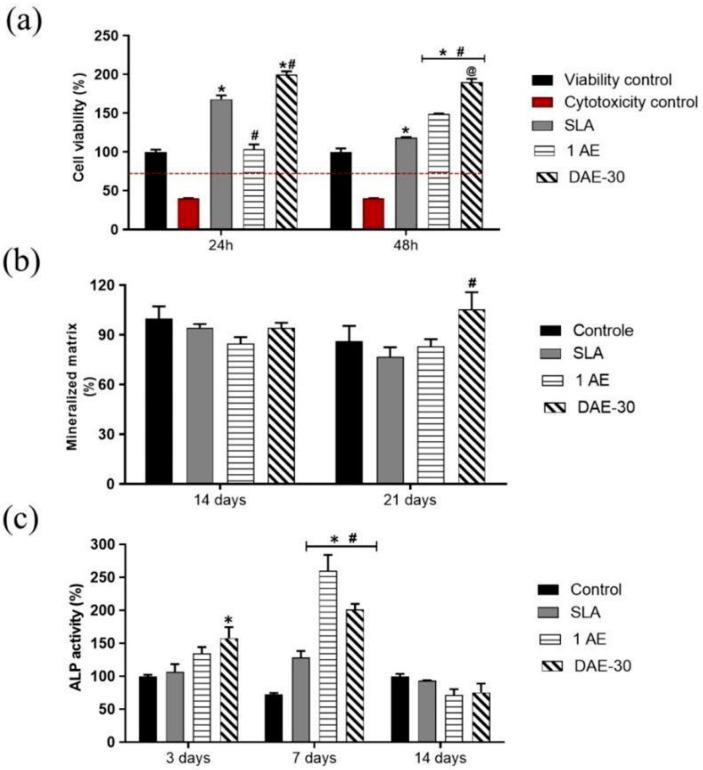
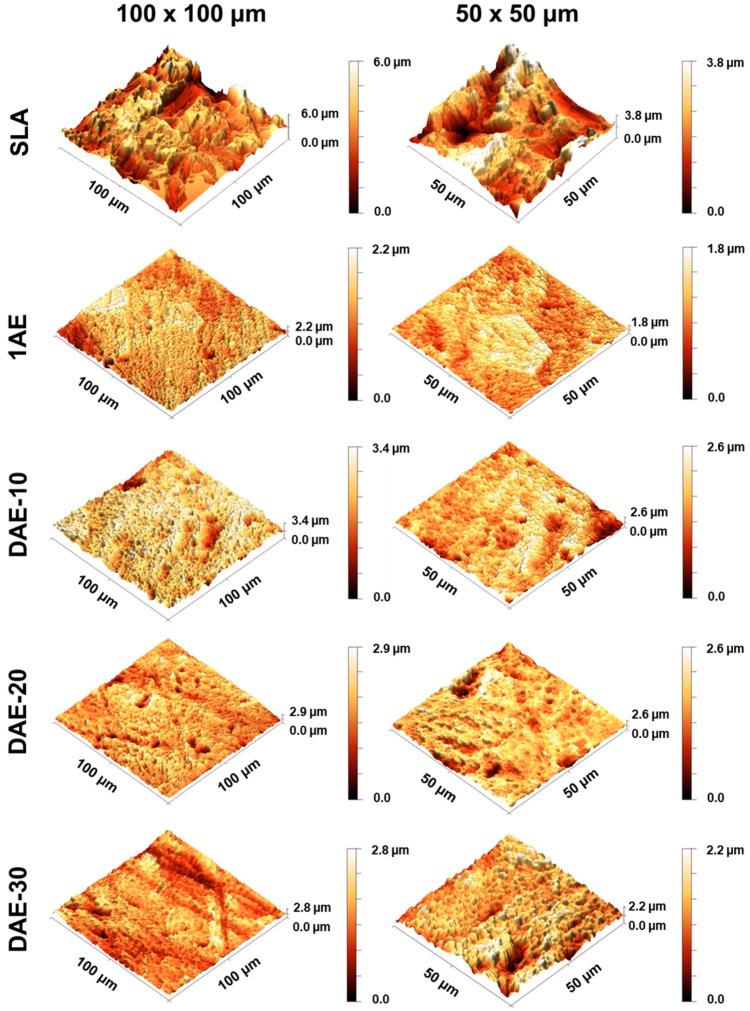
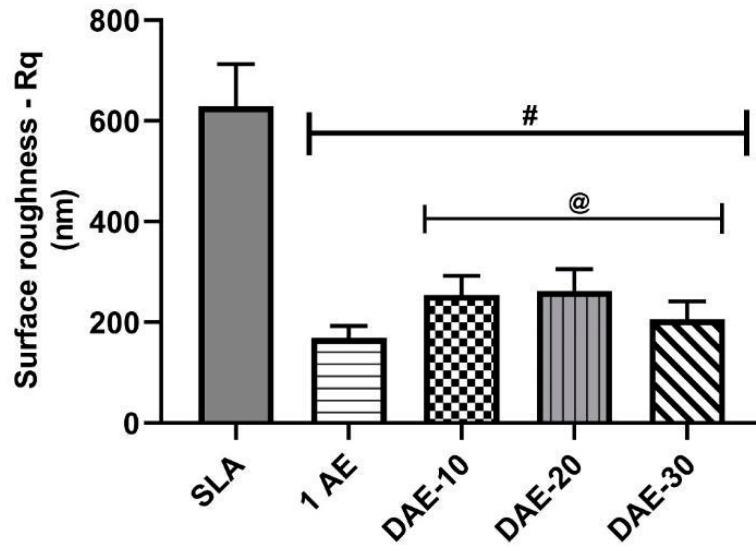
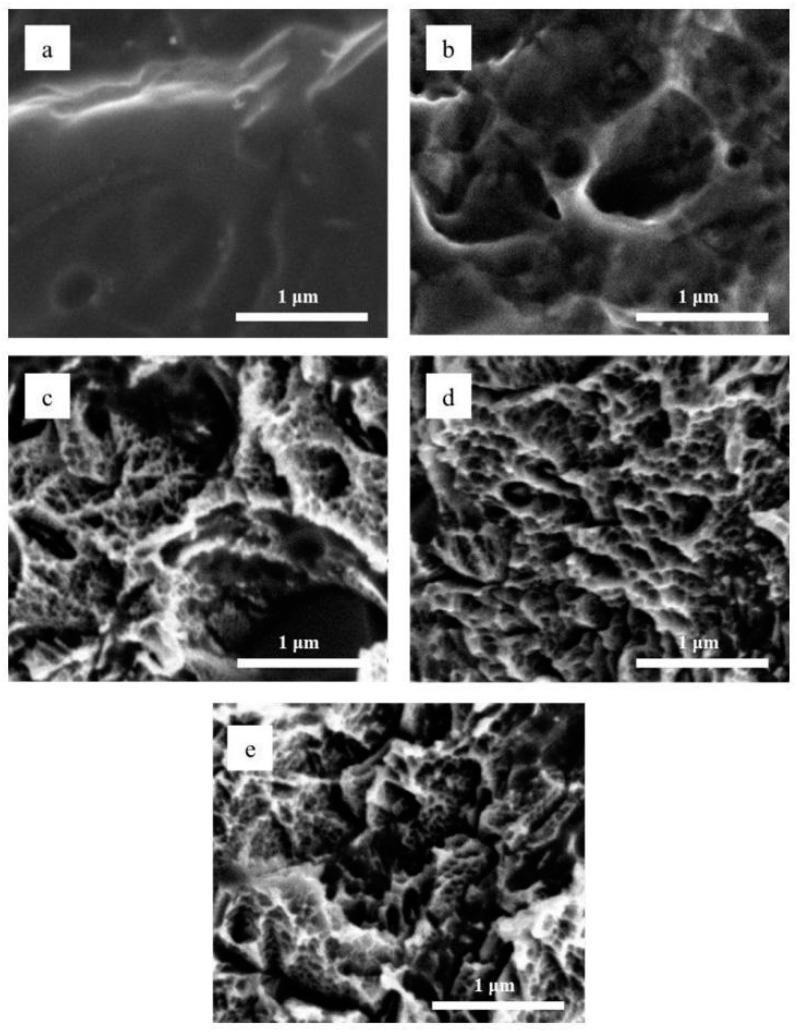
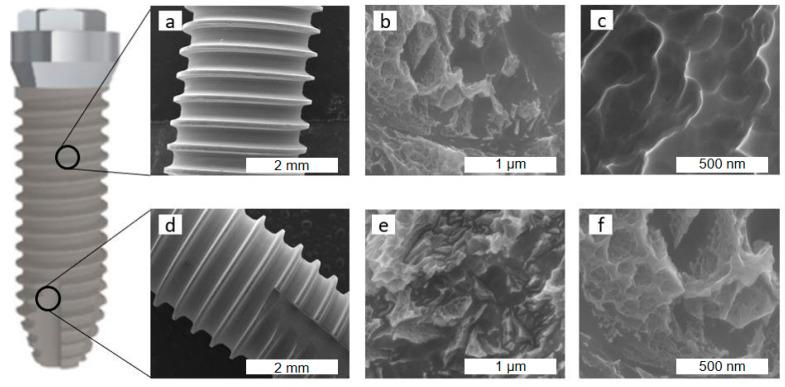
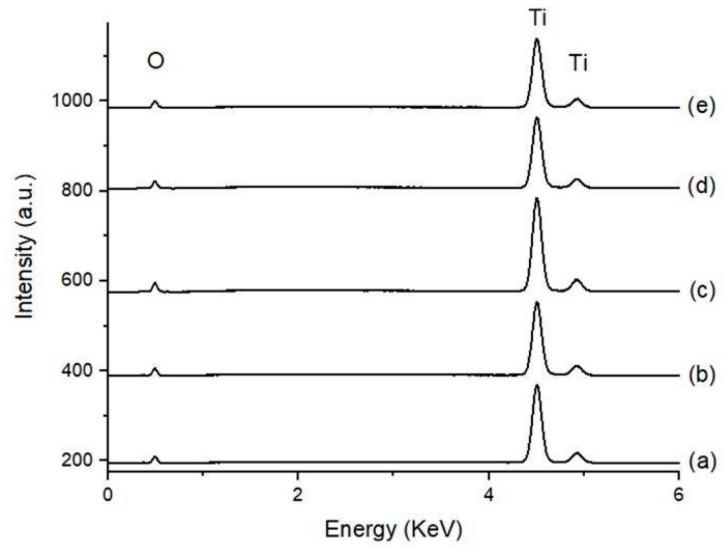
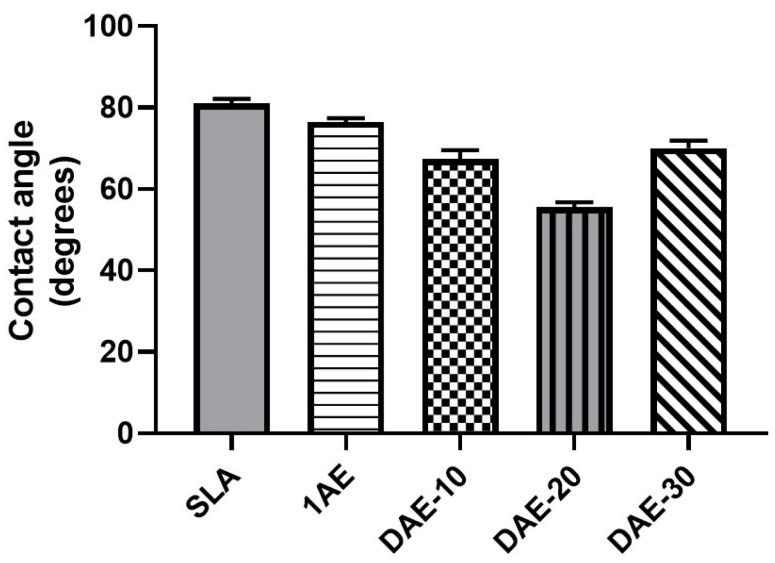
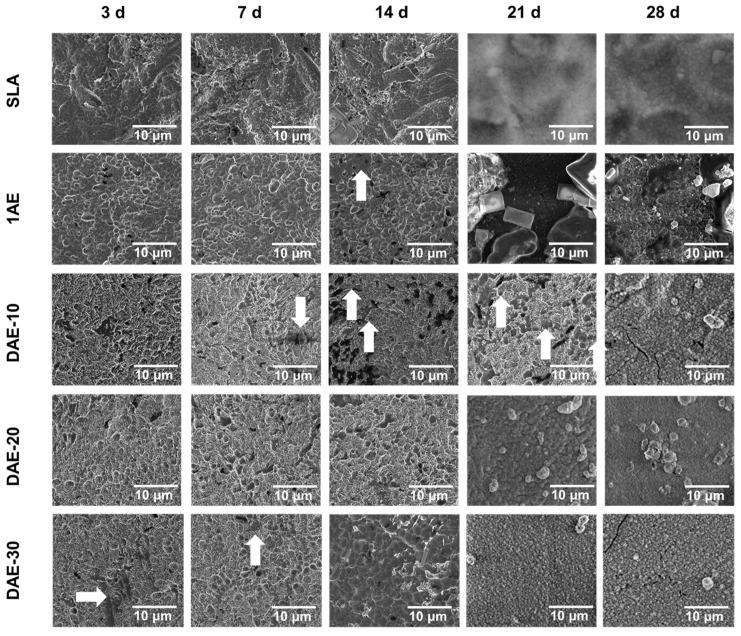
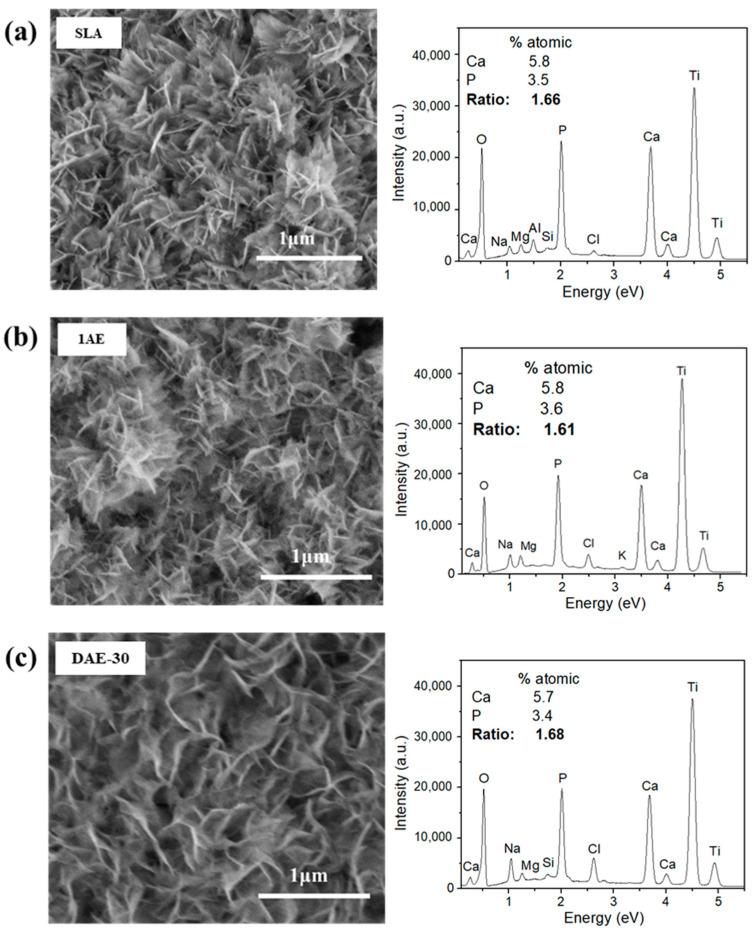
The dust generated during the sandblasting process of the sandblasted and acid-etched (SLA) method, commonly used to treat the surface of Ti dental implants, poses significant challenges in maintaining a clean manufacturing environment and ensuring safe working conditions. Nevertheless, surface modification remains crucial for improved performance of Ti dental implants. To address this problem and propose a clean and simple surface modification process to potentially replace SLA modification, this study aimed to characterize the surfaces of commercially pure Ti (cp-Ti) samples treated by acid etching and compare them with SLA-treated samples in terms of surface roughness (R), wettability (assessed through contact angle measurements), mineralized matrix deposition (evaluated through simulated body fluid [SBF] soaking), cell viability, cell differentiation (assessed based on alkaline phosphatase activity), and mineralization (assessed using MTT assay). Acid-etched surfaces exhibited nano- and micro-roughness and higher hydrophilicity than SLA surfaces, which is conducive to forming a highly bioactive TiO surface. Moreover, acid-etched samples exhibited earlier hydroxyapatite deposition after SBF soaking than SLA samples. Furthermore, the acid-etched surfaces were nontoxic and displayed significantly higher cell viability and differentiation after seven days than SLA surfaces. These findings suggest that acid etching is a viable alternative to the SLA method, likely offering superior surface bioactivity and biocompatibility.
喷砂酸蚀(SLA)法常用于处理钛牙科植入物表面,该方法在喷砂过程中产生的粉尘,给维持清洁的制造环境和确保安全的工作条件带来了重大挑战。然而,表面改性对于提高钛牙科植入物的性能仍然至关重要。为了解决这个问题并提出一种清洁、简单的表面改性工艺以潜在地替代SLA改性,本研究旨在表征经酸蚀处理的商业纯钛(cp-Ti)样品的表面,并在表面粗糙度(R)、润湿性(通过接触角测量评估)、矿化基质沉积(通过模拟体液[SBF]浸泡评估)、细胞活力、细胞分化(基于碱性磷酸酶活性评估)和矿化(使用MTT法评估)方面将其与经SLA处理的样品进行比较。酸蚀表面呈现出纳米和微米粗糙度,并且比SLA表面具有更高的亲水性,这有利于形成具有高生物活性的TiO表面。此外,酸蚀样品在SBF浸泡后比SLA样品更早出现羟基磷灰石沉积。此外,酸蚀表面无毒,并且在七天后比SLA表面显示出明显更高的细胞活力和分化。这些发现表明酸蚀是SLA方法的一种可行替代方案,可能具有卓越的表面生物活性和生物相容性。


 Zotero 插件