
慢性肾脏病与感染之间的双向相互作用驱动炎症和免疫功能障碍。
Bidirectional Interaction Between Chronic Kidney Disease and Infection Drives Inflammation and Immune Dysfunction.
作者信息
Adamowicz Karina, Lima Ribeiro Andrea Sofia, Golda Anna, Wadowska Marta, Potempa Jan, Schmaderer Christoph, Anders Hans-Joachim, Koziel Joanna, Lech Maciej
机构信息
Department of Microbiology, Faculty of Biochemistry, Biophysics and Biotechnology, Jagiellonian University, Cracow, Poland.
Department of Medicine IV, LMU University Hospital, LMU Munich, Munich, Germany.
出版信息
J Immunol Res. 2025 Apr 17;2025:8355738. doi: 10.1155/jimr/8355738. eCollection 2025.
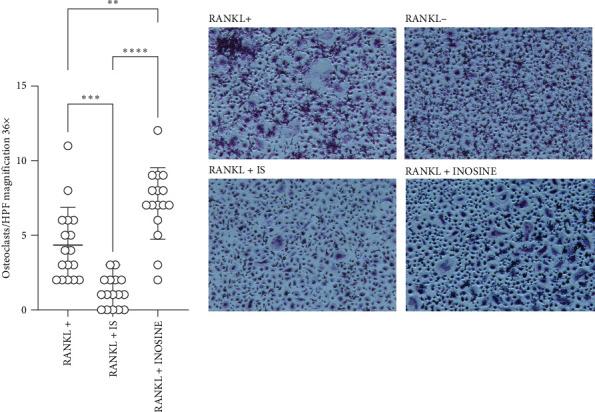
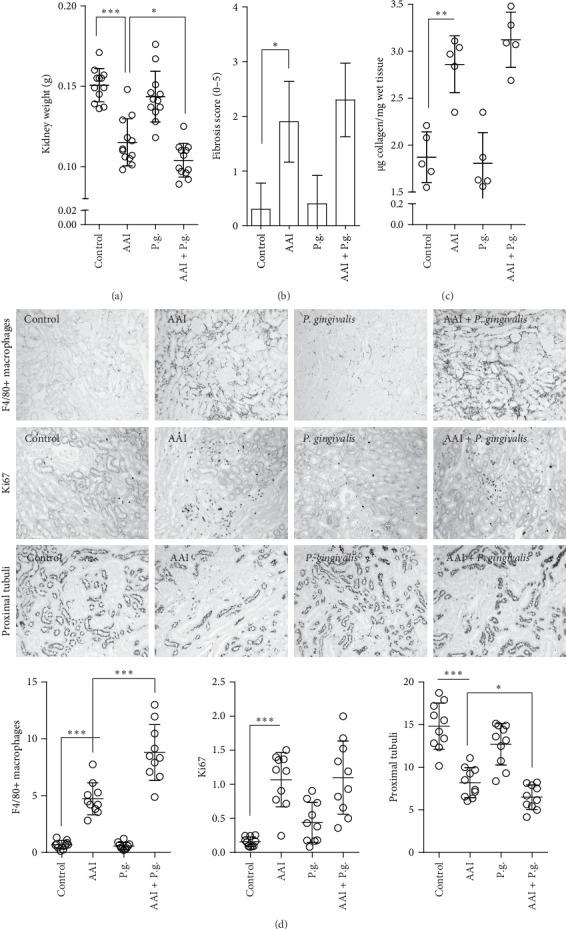
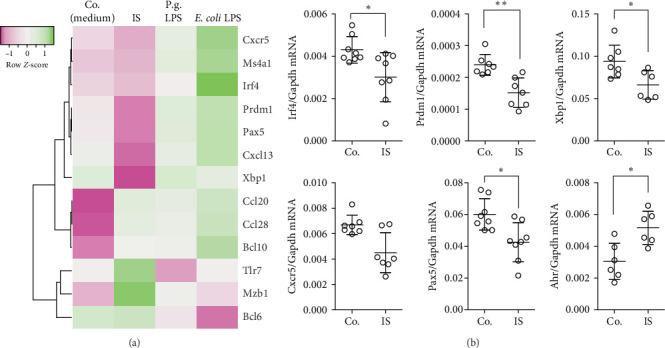
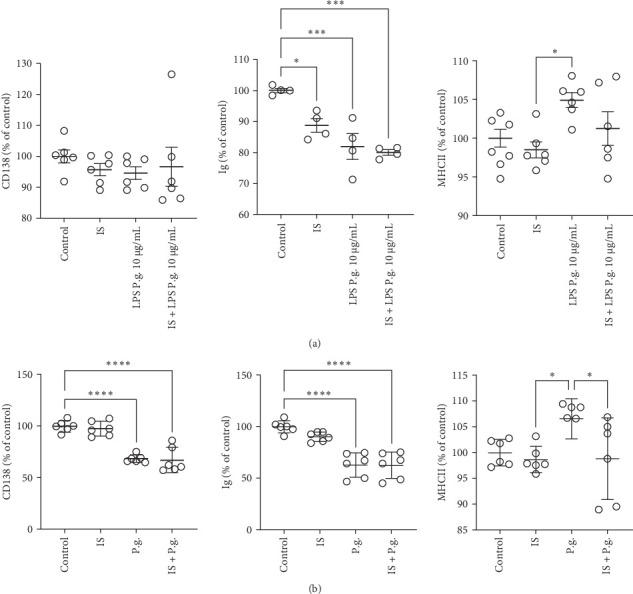
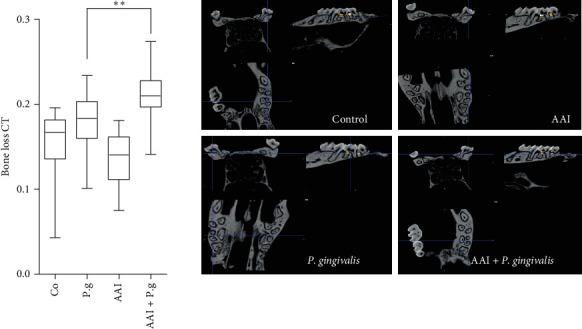
Chronic kidney disease (CKD) is characterized by a decline in renal function, increased mortality, and significant impairments in the immune system and function of immune cells. These alterations are often derived by uremic toxins, which, in turn, modify the immune system's response to infections. Our research investigates the progression of () infection during CKD and its subsequent impact on kidney failure. We utilized two infectious models, a chamber model representing short-term local inflammation and alveolar bone loss that mimic chronic infection of periodontium, both in conjunction with a CKD model. Additionally, our in vitro studies employed primary macrophages, osteoclasts, and lymphocytes to characterize the immune responses to and pathogen-associated molecular patterns (PAMPs) in the presence of uremic toxins. Our findings demonstrate that uremic toxins, such as indoxyl sulfate (IS), alter responses of macrophages and lymphocytes to . In vivo, CKD significantly enhanced survival and infection-induced alveolar bone loss. The increased distribution of pathogen within peripheral tissues was associated with altered inflammatory responses, indicating that CKD promotes infection. Moreover, -infected mice exhibited a marked increase in renal inflammation, suggesting that the relationship between uremia and infection is bidirectional, with infection exacerbating kidney dysfunction. Furthermore, we observed that infected CKD mice exhibit decreased serum immunoglobulin G (IgG) levels compared to infected mice without CKD, implying that uremia is associated with immune dysfunction characterized by immunodepression and impaired B lymphocyte function.
慢性肾脏病(CKD)的特征是肾功能下降、死亡率增加以及免疫系统和免疫细胞功能的显著损害。这些改变通常由尿毒症毒素引起,而尿毒症毒素又会改变免疫系统对感染的反应。我们的研究调查了CKD期间()感染的进展及其对肾衰竭的后续影响。我们使用了两种感染模型,一种腔室模型代表短期局部炎症和牙槽骨丧失,模拟牙周组织的慢性感染,这两种模型都与CKD模型结合使用。此外,我们的体外研究使用原代巨噬细胞、破骨细胞和淋巴细胞来表征在存在尿毒症毒素的情况下对()和病原体相关分子模式(PAMPs)的免疫反应。我们的研究结果表明,尿毒症毒素,如硫酸吲哚酚(IS),会改变巨噬细胞和淋巴细胞对()的反应。在体内,CKD显著提高了()的存活率和感染诱导的牙槽骨丧失。病原体在外周组织中分布的增加与炎症反应的改变有关,表明CKD促进感染。此外,感染()的小鼠肾脏炎症明显增加,这表明尿毒症与感染之间的关系是双向的,感染会加剧肾功能障碍。此外,我们观察到,与未患CKD的感染小鼠相比,感染的CKD小鼠血清免疫球蛋白G(IgG)水平降低,这意味着尿毒症与以免疫抑制和B淋巴细胞功能受损为特征的免疫功能障碍有关。


 Zotero 插件