
超越单一标志物:肺血栓栓塞症右心室功能障碍综合评估的最新进展
Beyond a Single Marker: An Update on the Comprehensive Evaluation of Right Ventricular Dysfunction in Pulmonary Thromboembolism.
作者信息
Cucută Sandu, Badescu Minerva Codruta, Duca Ștefania-Teodora, Chetran Adriana, Cepoi Maria-Ruxandra, Ponor Cosmina-Georgiana, Bobu Amelian Madalin, Serban Ionela-Lacramioara, Costache-Enache Irina-Iuliana
机构信息
Department of Internal Medicine I, Faculty of Medicine, "Grigore T. Popa" University of Medicine and Pharmacy, 700115 Iasi, Romania.
Cardiology Clinic, "St. Spiridon" County Emergency Clinical Hospital, 700111 Iasi, Romania.
出版信息
Life (Basel). 2025 Apr 17;15(4):665. doi: 10.3390/life15040665.
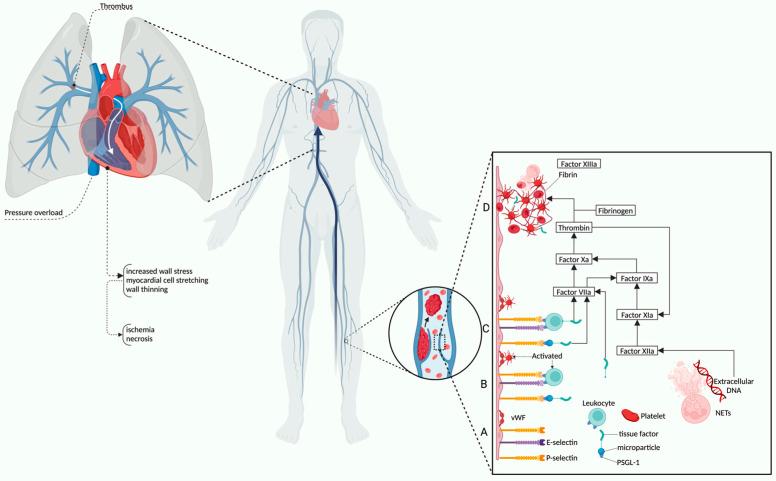
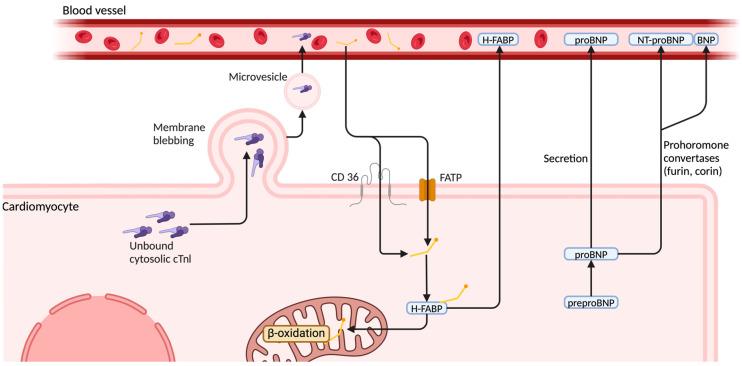
Pulmonary thromboembolism (PE) is a life-threatening condition that often leads to right ventricular (RV) dysfunction, a key determinant of prognosis and clinical management. Biomarkers play a crucial role in the early detection and risk stratification of RV dysfunction in PE, complementing imaging and hemodynamic assessments. Cardiac troponins, B-type natriuretic peptides, and novel biomarkers, such as heart-type fatty acid-binding protein (H-FABP) and growth differentiation factor-15 (GDF-15), provide valuable insights into myocardial injury, overload, and stress. This article explores the clinical possible significance of these biomarkers, their predictive value, and their potential to guide therapeutic strategies in patients with PE. Understanding the role of biomarkers in RV dysfunction assessment may improve patient outcomes focusing on early intervention and personalized treatment approaches.
肺血栓栓塞症(PE)是一种危及生命的疾病,常导致右心室(RV)功能障碍,这是预后和临床管理的关键决定因素。生物标志物在PE患者右心室功能障碍的早期检测和风险分层中起着至关重要的作用,可补充影像学和血流动力学评估。心肌肌钙蛋白、B型利钠肽以及新型生物标志物,如心型脂肪酸结合蛋白(H-FABP)和生长分化因子-15(GDF-15),为心肌损伤、负荷过重和应激提供了有价值的见解。本文探讨了这些生物标志物的临床潜在意义、它们的预测价值以及在PE患者中指导治疗策略的潜力。了解生物标志物在右心室功能障碍评估中的作用,可能会通过早期干预和个性化治疗方法改善患者预后。

 Zotero 插件