
利用铜基纳米材料对抗多重耐药细菌。
Employing Copper-Based Nanomaterials to Combat Multi-Drug-Resistant Bacteria.
作者信息
Zhai Yujie, Liang Zhuxiao, Liu Xijun, Zhang Weiqing
机构信息
State Key Laboratory of Featured Metal Materials and Life-Cycle Safety for Composite Structures, School of Resources, Environment and Materials, Guangxi University, Nanning 530004, China.
Department of Research, Guangxi Medical University Cancer Hospital, Nanning 530021, China.
出版信息
Microorganisms. 2025 Mar 21;13(4):708. doi: 10.3390/microorganisms13040708.
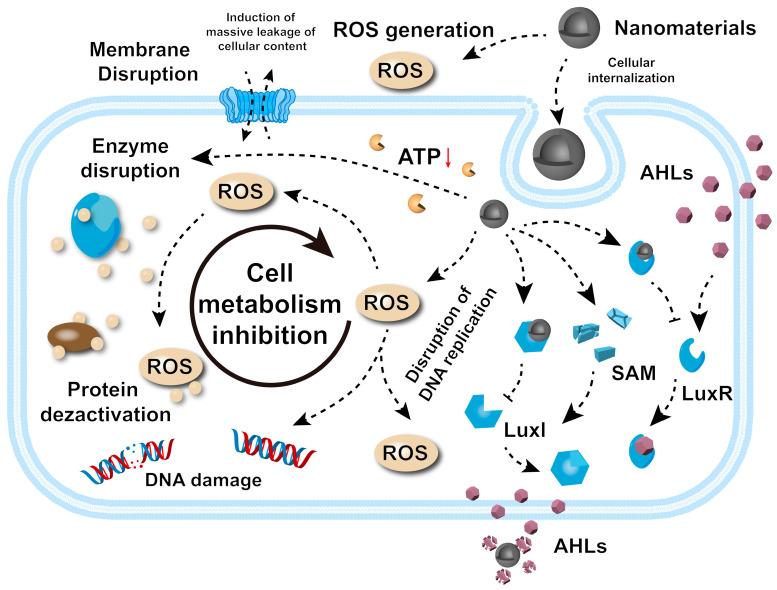
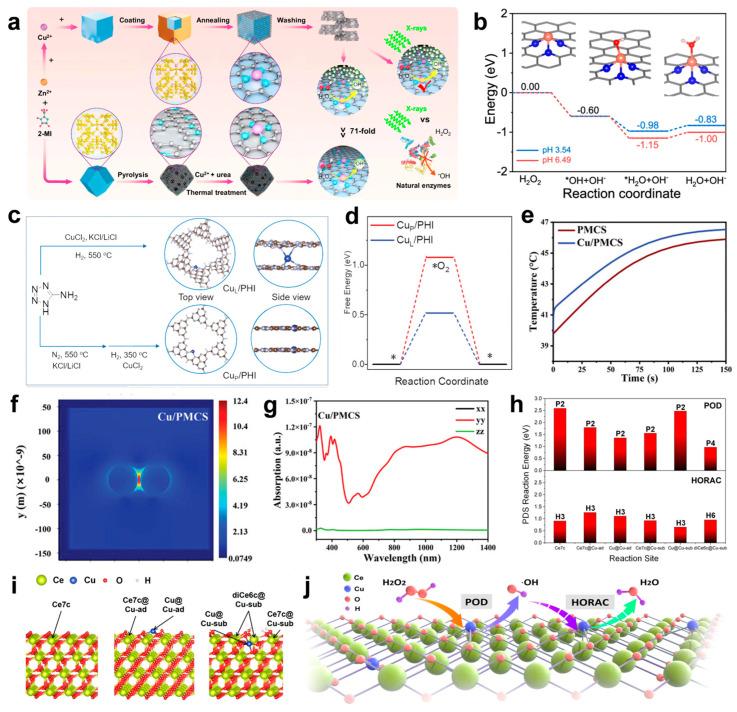
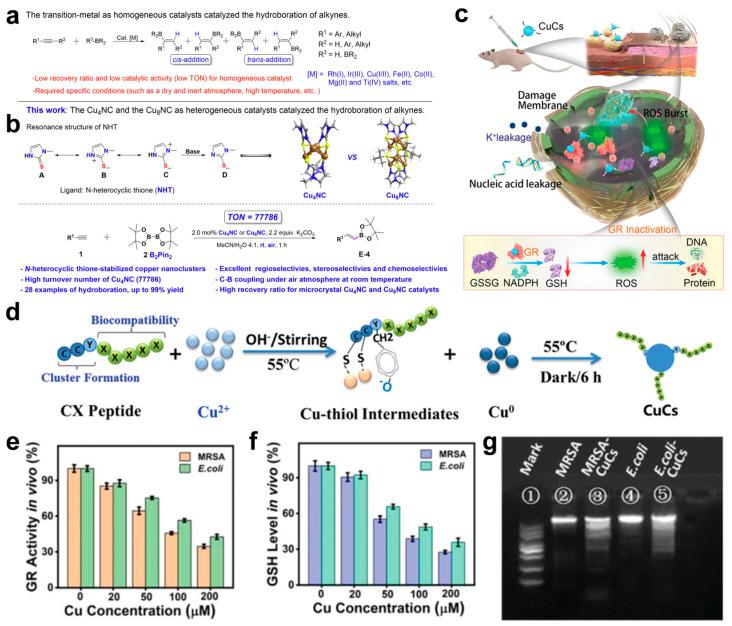
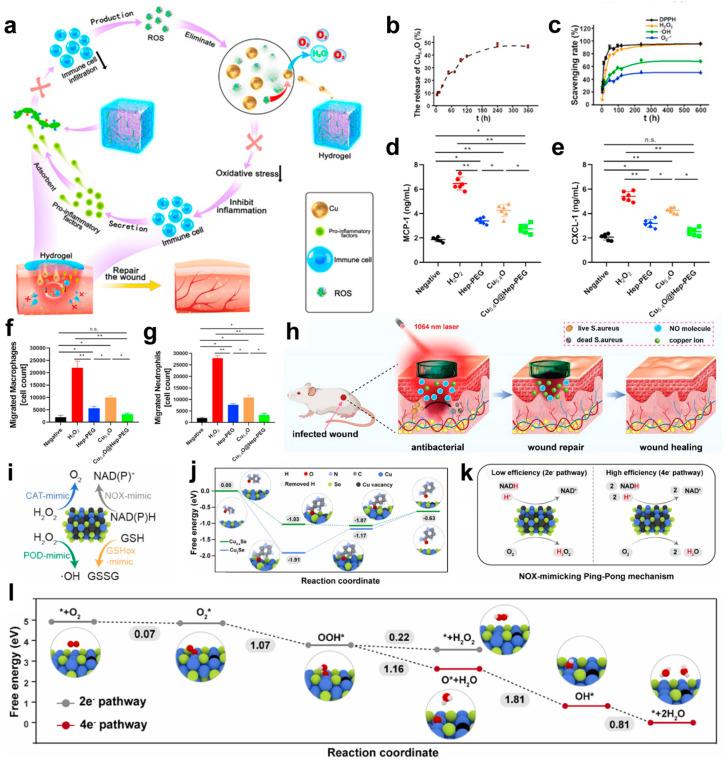
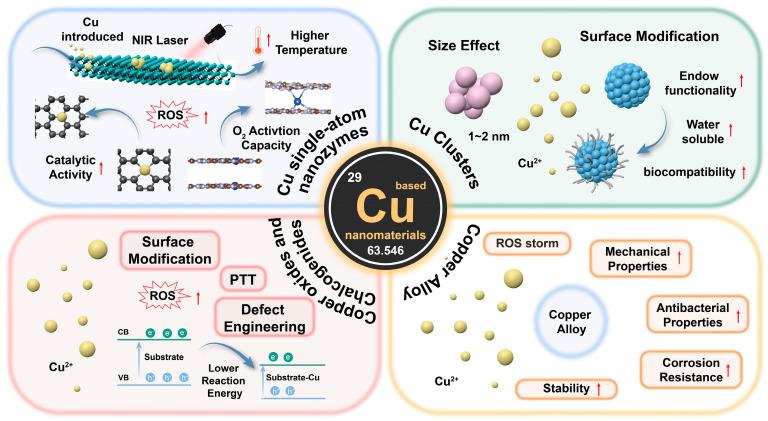
The rise of multi-drug-resistant (MDR) bacteria poses a severe global threat to public health, necessitating the development of innovative therapeutic strategies to overcome these challenges. Copper-based nanomaterials have emerged as promising agents due to their intrinsic antibacterial properties, cost-effectiveness, and adaptability for multifunctional therapeutic approaches. These materials exhibit exceptional potential in advanced antibacterial therapies, including chemodynamic therapy (CDT), photothermal therapy (PTT), and photodynamic therapy (PDT). Their unique physicochemical properties, such as controlled ion release, reactive oxygen species (ROS) generation, and tunable catalytic activity, enable them to target MDR bacteria effectively while minimizing off-target effects. This paper systematically reviews the mechanisms through which Cu-based nanomaterials enhance antibacterial efficiency and emphasizes their specific performance in the antibacterial field. Key factors influencing their antibacterial properties-such as electronic interactions, photothermal characteristics, size effects, ligand effects, single-atom doping, and geometric configurations-are analyzed in depth. By uncovering the potential of copper-based nanomaterials, this work aims to inspire innovative approaches that improve patient outcomes, reduce the burden of bacterial infections, and enhance global public health initiatives.
多重耐药(MDR)细菌的出现对全球公共卫生构成了严重威胁,因此需要开发创新的治疗策略来应对这些挑战。基于铜的纳米材料因其固有的抗菌特性、成本效益以及对多功能治疗方法的适应性而成为有前景的抗菌剂。这些材料在先进的抗菌治疗中展现出卓越的潜力,包括化学动力学疗法(CDT)、光热疗法(PTT)和光动力疗法(PDT)。它们独特的物理化学性质,如可控的离子释放、活性氧(ROS)生成和可调的催化活性,使它们能够有效靶向MDR细菌,同时将脱靶效应降至最低。本文系统综述了铜基纳米材料提高抗菌效率的机制,并强调了它们在抗菌领域的具体性能。深入分析了影响其抗菌性能的关键因素,如电子相互作用、光热特性、尺寸效应、配体效应、单原子掺杂和几何构型。通过揭示铜基纳米材料的潜力,这项工作旨在激发创新方法,改善患者治疗效果,减轻细菌感染负担,并加强全球公共卫生倡议。
 Zotero 插件