
导致西非抗生素耐药性传播的环境风险因素
Environmental Risk Factors Contributing to the Spread of Antibiotic Resistance in West Africa.
作者信息
Adenaya Adenike, Adeniran Adedapo Adedayo, Ugwuoke Chidera Linus, Saliu Kaosara, Raji Mariam Adewumi, Rakshit Amartya, Ribas-Ribas Mariana, Könneke Martin
机构信息
Institute for Chemistry and Biology of the Marine Environment (ICBM), University of Oldenburg, Carl von Ossietzky Str. 9-11, 26129 Oldenburg, Germany.
Department of Pharmacognosy and Natural Medicine, Faculty of Pharmacy, University of Calabar, Calabar 540211, Nigeria.
出版信息
Microorganisms. 2025 Apr 21;13(4):951. doi: 10.3390/microorganisms13040951.
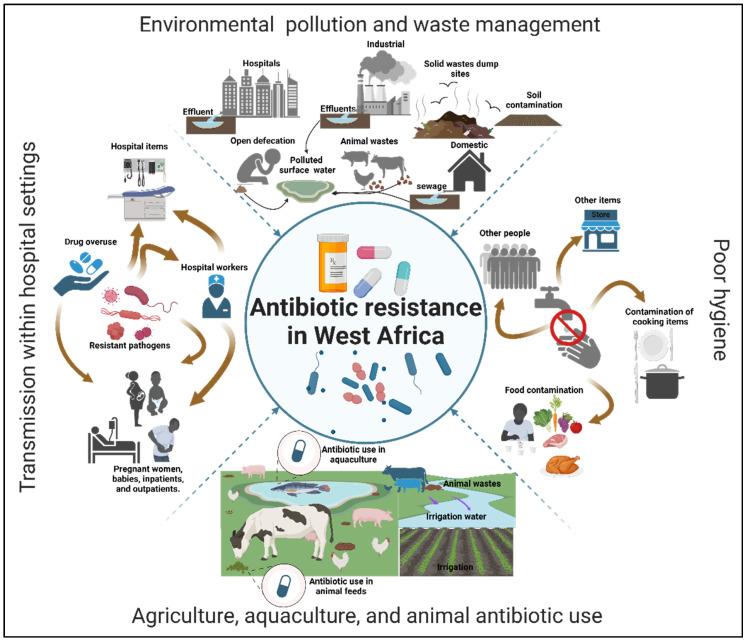
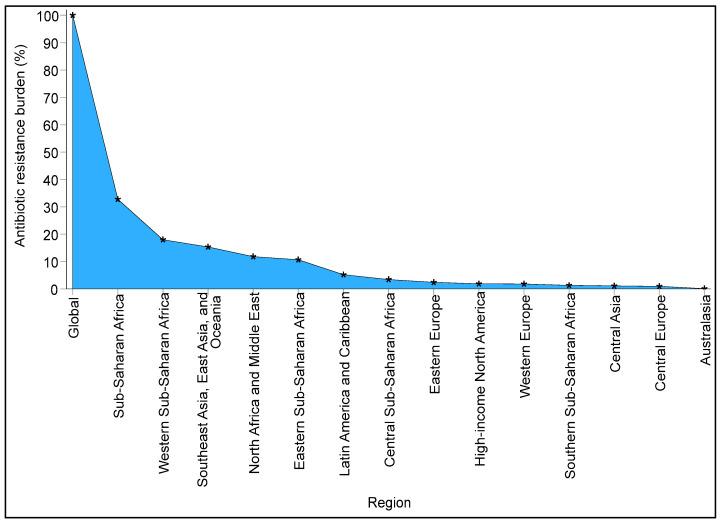
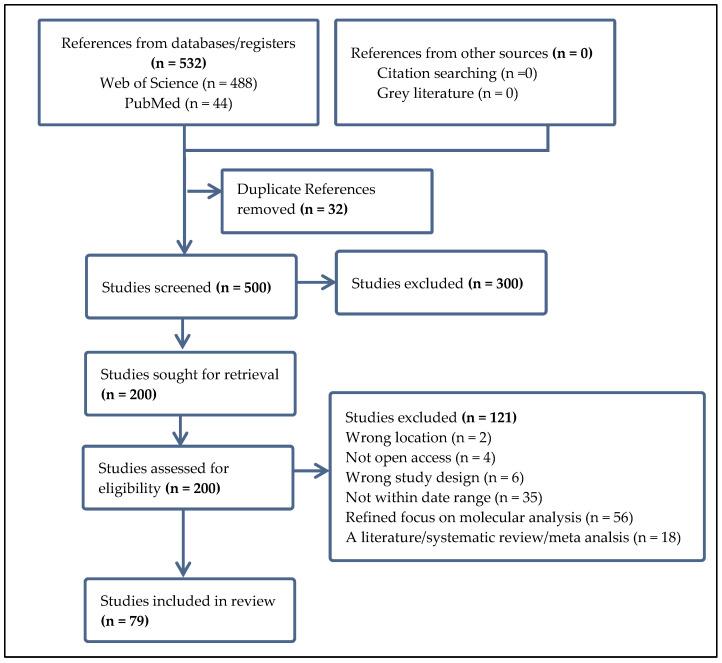
Antibiotic resistance is a well-documented global health challenge that disproportionately impacts low- and middle-income countries. In 2019, the number of deaths attributed to and associated with antibiotic resistance in Western Sub-Saharan Africa was approximately 27 and 115 per 100,000, respectively, higher than in other regions worldwide. Extensive research has consistently confirmed the persistent presence and spread of antibiotic resistance in hospitals, among livestock, within food supply chains, and across various environmental contexts. This review documents the environmental risk factors contributing to the spread of antibiotic resistance in West Africa. We collected studies from multiple West African countries using the Web of Science and PubMed databases. We screened them for factors associated with antibiotic-resistant bacteria and resistance genes between 2018 and 2024. Our findings indicate that antibiotic resistance remains a significant concern in West Africa, with environmental pollution and waste management identified as major factors in the proliferation of antibiotic-resistant bacteria and resistance genes between 2018 and 2024. Additional contributing factors include poor hygiene, the use of antibiotics in agriculture, aquaculture, and animal farming, and the transmission of antibiotic resistance within hospital settings. Unfortunately, the lack of comprehensive genetic characterization of antibiotic-resistant bacteria and resistance genes hinders a thorough understanding of this critical issue in the region. Since antibiotic resistance transcends national borders and can spread within and between countries, it is essential to understand the environmental risk factors driving its dissemination in West African countries. Such understanding will be instrumental in developing and recommending effective strategies nationally and internationally to combat antibiotic resistance.
抗生素耐药性是一个有充分记录的全球卫生挑战,对低收入和中等收入国家的影响尤为严重。2019年,撒哈拉以南非洲西部地区每10万人中归因于抗生素耐药性和与之相关的死亡人数分别约为27人和115人,高于世界其他地区。广泛的研究一直证实,抗生素耐药性在医院、牲畜、食品供应链以及各种环境中持续存在并传播。本综述记录了导致西非抗生素耐药性传播的环境风险因素。我们使用科学网和PubMed数据库从多个西非国家收集研究。我们筛选了2018年至2024年间与抗生素耐药菌和耐药基因相关的因素。我们的研究结果表明,抗生素耐药性在西非仍然是一个重大问题,环境污染和废物管理被确定为2018年至2024年间抗生素耐药菌和耐药基因扩散的主要因素。其他促成因素包括卫生条件差、在农业、水产养殖和畜牧业中使用抗生素,以及医院环境中抗生素耐药性的传播。不幸的是,对抗生素耐药菌和耐药基因缺乏全面的基因特征分析阻碍了对该地区这一关键问题的深入了解。由于抗生素耐药性超越国界,可在一国内部和国家之间传播,因此了解推动其在西非国家传播的环境风险因素至关重要。这种了解将有助于在国家和国际层面制定和推荐有效的策略来对抗抗生素耐药性。


 Zotero 插件