
基于网络的综合分析以鉴定三阴性乳腺癌的关键基因及相应的报告生物分子
Network-Based Integrative Analysis to Identify Key Genes and Corresponding Reporter Biomolecules for Triple-Negative Breast Cancer.
作者信息
Singh Pooja, Chaturvedi Rupesh, Somvanshi Pallavi
机构信息
School of Computational & Sciences (SCIS), Jawaharlal Nehru University, New Delhi, India.
School of Biotechnology (SBT), Jawaharlal Nehru University, New Delhi, India.
出版信息
Cancer Med. 2025 May;14(9):e70674. doi: 10.1002/cam4.70674.
BACKGROUND
The malignant neoplasm of the TNBC is the leading cause of death among Indian women. Recent studies identified the global burden of TNBC affecting approximately more than 40 percent of all BC cases in women worldwide. The absence of expression of receptors such as ER, PR, and HER2 characterizes TNBC.
OBJECTIVES
Due to the lack of specific targets, standard treatment options for TNBC are limited. This integrative study aims to identify key genes and provide insights into the underlying molecular mechanisms of TNBC, which can potentially lead to the development of more effective therapeutic strategies.
MATERIAL AND METHODOLOGY
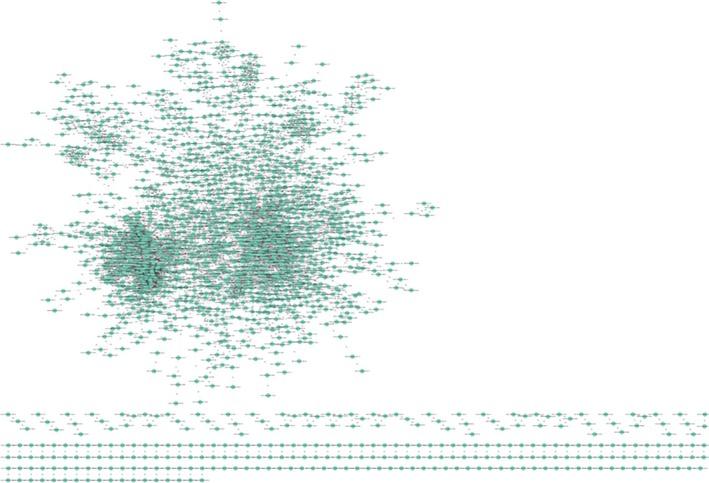
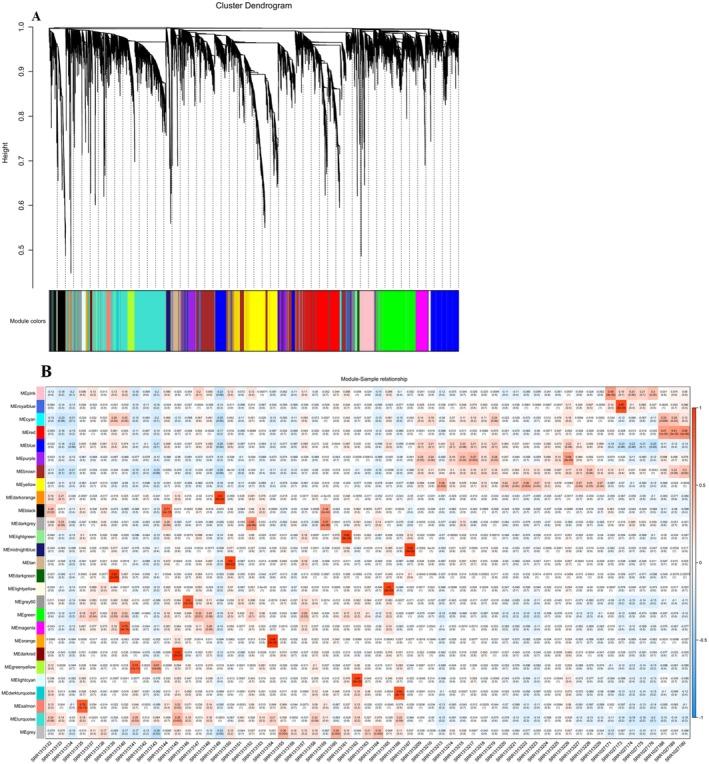
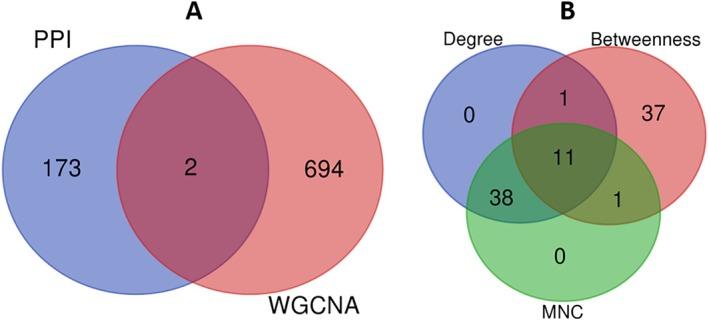
This study integrates PPI and WGCNA analysis of TNBC-related datasets (GSE52194 and GSE58135) to identify key genes. Subsequently, downstream analysis is conducted to explore potential therapeutic targets for TNBC.
RESULTS
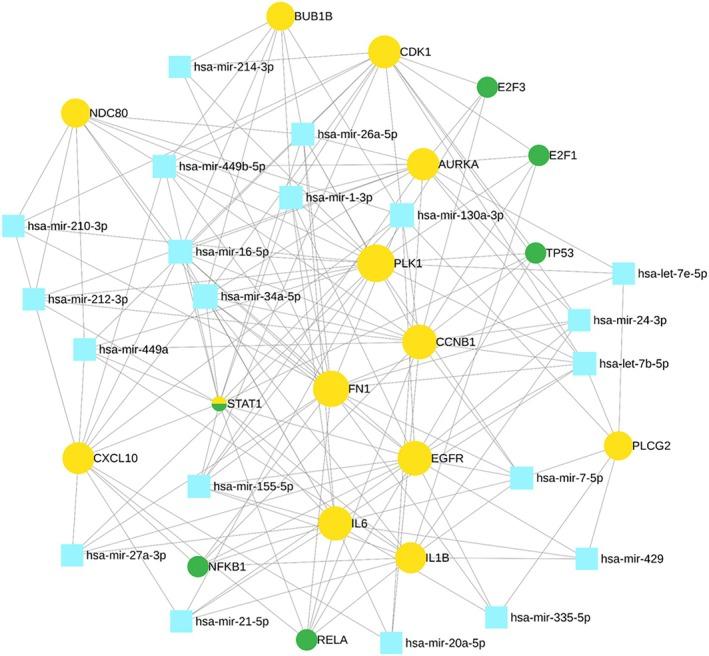
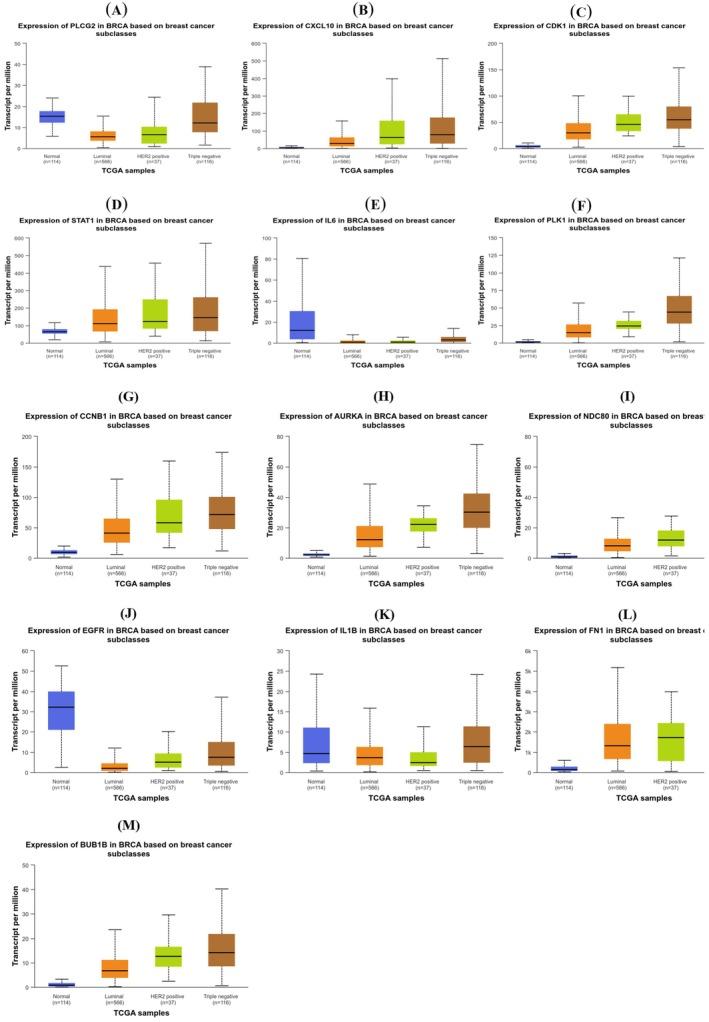
The present study renders the potential 13 key genes (PLCG2, CXCL10, CDK1, STAT1, IL6, PLK1, CCNB1, AURKA, NDC80, EGFR, 1L1B, FN1, BUB1B), along with their associated 6 TFs and 20 miRNAs, as reporter biomolecules around which the most significant changes occur. There were some miRNAs hsa-mir-449b-5p, hsa-let-7b-5p, hsa-mir-26a-5p, hsa-mir-155-5p, hsa-mir-24-3p, hsa-mir-212-3p, hsa-mir-21-5p, hsa-mir-210-3p and hsa-mir-20a-5p whose association with other cancers and other BC subtypes have been reported but their association with TNBC need to be explored. Further, enrichment and cumulative survival analysis support the disease association of identified key genes with TNBC.
CONCLUSION
This integrative analysis could be regarded for experimental inspection as it provides the platform for future researchers in drug designing and biomarker discovery for TNBC diagnosis and treatment.
背景
三阴性乳腺癌(TNBC)恶性肿瘤是印度女性死亡的主要原因。最近的研究确定了TNBC的全球负担,其影响全球约40%以上的女性乳腺癌病例。TNBC的特征是缺乏雌激素受体(ER)、孕激素受体(PR)和人表皮生长因子受体2(HER2)等受体的表达。
目的
由于缺乏特异性靶点,TNBC的标准治疗选择有限。这项综合研究旨在确定关键基因,并深入了解TNBC的潜在分子机制,这可能会导致开发更有效的治疗策略。
材料与方法
本研究整合了TNBC相关数据集(GSE52194和GSE58135)的蛋白质-蛋白质相互作用(PPI)和加权基因共表达网络分析(WGCNA),以确定关键基因。随后,进行下游分析以探索TNBC的潜在治疗靶点。
结果
本研究确定了13个潜在关键基因(PLCG2、CXCL10、CDK1、STAT1、IL6、PLK1、CCNB1、AURKA、NDC80、EGFR、IL1B、FN1、BUB1B),以及与其相关的6个转录因子(TFs)和20个微小RNA(miRNAs),作为发生最显著变化的报告生物分子。有一些微小RNA,如hsa-mir-449b-5p、hsa-let-7b-5p、hsa-mir-26a-5p、hsa-mir-155-5p、hsa-mir-24-3p、hsa-mir-212-3p、hsa-mir-21-5p、hsa-mir-210-3p和hsa-mir-20a-5p,其与其他癌症和其他乳腺癌亚型的关联已有报道,但它们与TNBC的关联尚待探索。此外,富集分析和累积生存分析支持所确定的关键基因与TNBC的疾病关联性。
结论
这种综合分析可为实验检验提供参考,因为它为未来研究人员进行TNBC诊断和治疗的药物设计及生物标志物发现提供了平台。



 Zotero 插件