
根据种植方法研究胡萝卜对氧化偶氮甲烷/葡聚糖硫酸钠诱导的结肠癌的抑制作用。
Suppressor effects of carrots on azoxymethane/dextran sulfate sodium-induced colon cancer according to cultivation method.
作者信息
Pan Yanni, Lee Yeon-Jun, Kim Jin Hyeop, Song Min Ji, Kwack KyuBum, Park Seung-Hwan, Sin Sin-Il, Chung Ji Hyung, Park Kun-Young
机构信息
Collaborative Innovation Center for Child Nutrition and Health Development, Chongqing Engineering Research Center of Functional Food, Chongqing Engineering Laboratory for Research and Development of Functional Food, Chongqing University of Education, Chongqing, China.
Department of Biotechnology, CHA University, Seongnam, Republic of Korea.
出版信息
Front Immunol. 2025 Apr 11;16:1554801. doi: 10.3389/fimmu.2025.1554801. eCollection 2025.
INTRODUCTION
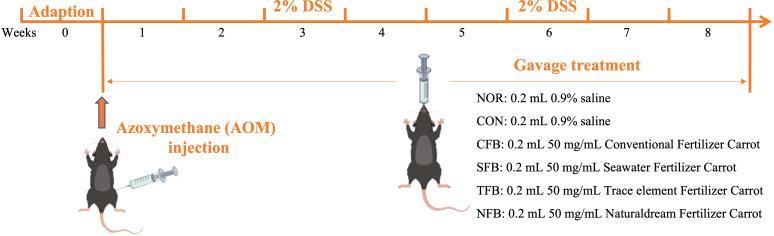
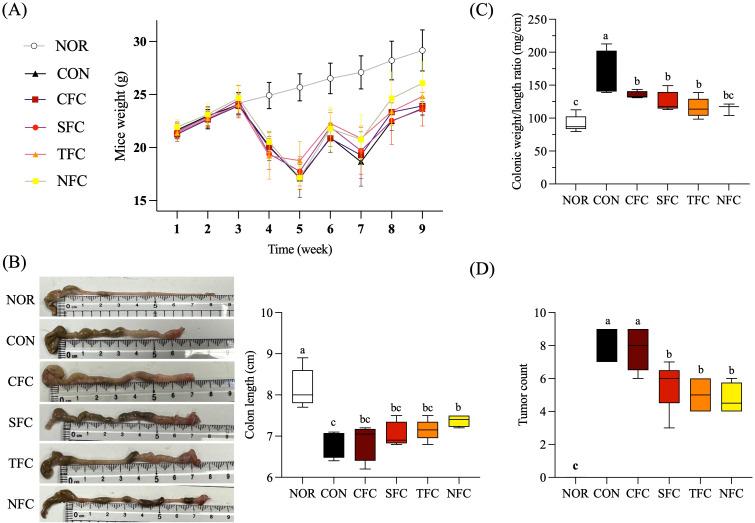
This study investigated the suppressor effects of carrots depending on cultivation method on AOM/DSS-induced colon cancer in mice by examining cell apoptosis, inflammation response, and metabolites. Carrots grown using different fertilizers significantly suppressed tumor development by modulating cell apoptosis and inflammatory responses in our experimental settings.
METHODS AND RESULTS
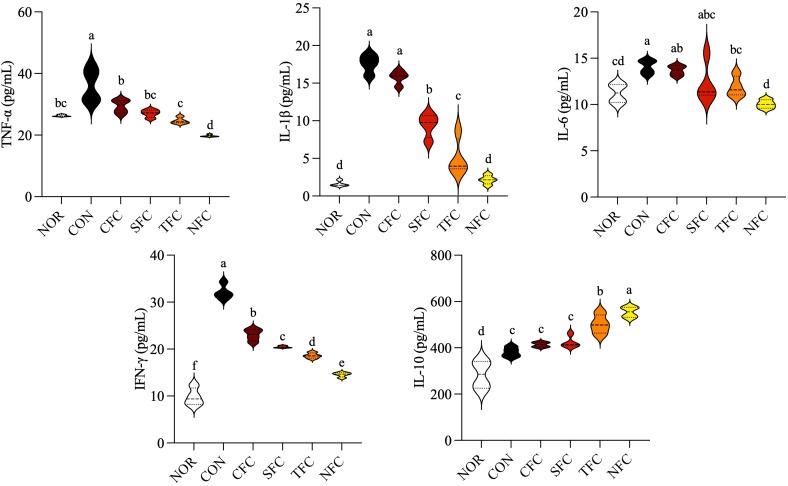
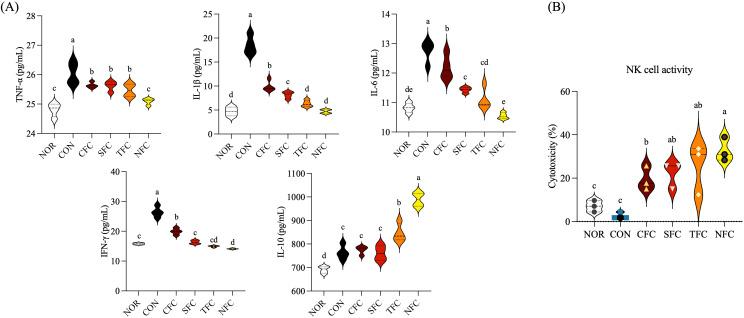
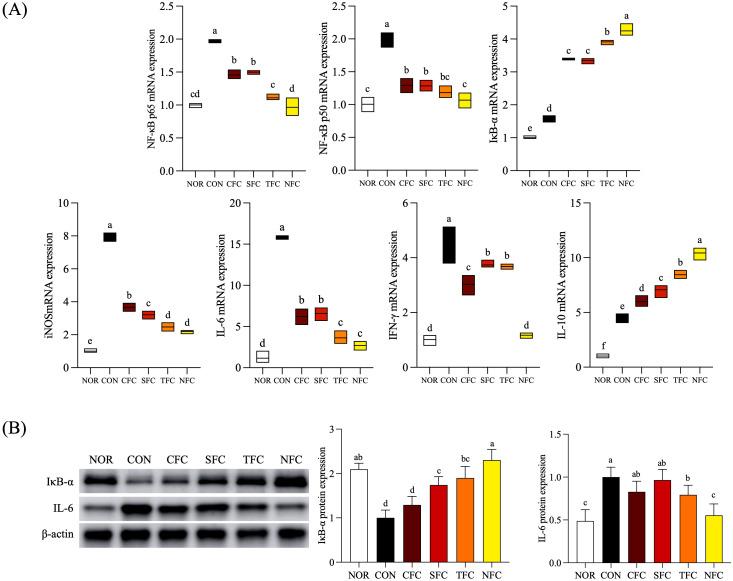
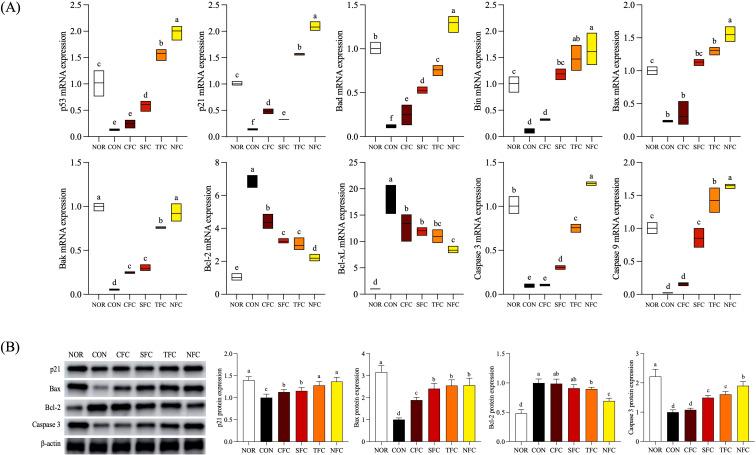
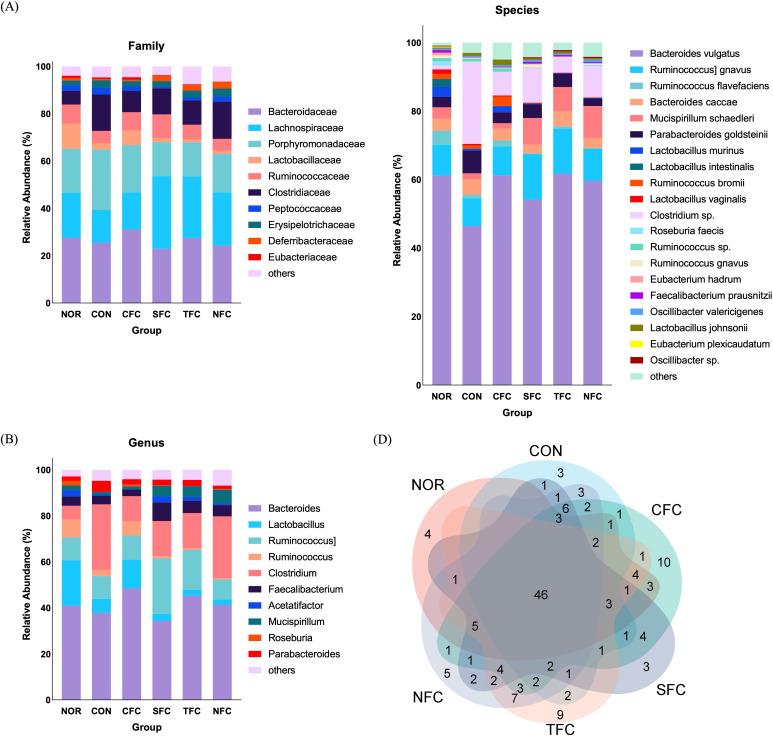
Naturaldream Fertilizer Carrot (NFC) cultivated with deep sea water minerals (DSWM) showed effectively increased the expression of apoptosis-related genes and proteins including p53, p21, Bim, Bad, Bax, Bak, Caspase 9, and Caspase 3 in colon tissue, while inhibiting the production of inflammatory factors and related genes and proteins such as TNF-a, IL-1b, IL-6, IFN-g, NF-kB, and iNOS in serum, spleen cells, and liver tissues. Intestinal microbiota analysis revealed a distinct composition in mice receiving carrots compared to the control group, with accumulation of intestinal microorganisms such as and closely associated with anti-tumor effects.
DISCUSSION AND CONCLUSION
Overall, our results indicate that carrots, especially carrots grown with DSWM fertilizers, play a crucial role in inhibiting AOM/DSS-induced colon cancer in mice by regulating cell apoptosis and inflammation responses. The present findings provide valuable insights for further exploration of carrots depending on the cultivation method, as a potential dietary source against colon cancer.
引言
本研究通过检测细胞凋亡、炎症反应和代谢产物,探究了不同种植方式的胡萝卜对AOM/DSS诱导的小鼠结肠癌的抑制作用。在我们的实验环境中,使用不同肥料种植的胡萝卜通过调节细胞凋亡和炎症反应,显著抑制了肿瘤的发展。
方法与结果
用深海海水矿物质(DSWM)培育的自然梦肥料胡萝卜(NFC)能有效增加结肠组织中凋亡相关基因和蛋白的表达,包括p53、p21、Bim、Bad、Bax、Bak、Caspase 9和Caspase 3,同时抑制血清、脾细胞和肝组织中炎症因子及相关基因和蛋白的产生,如TNF-α、IL-1β、IL-6、IFN-γ、NF-κB和iNOS。肠道微生物群分析显示,与对照组相比,接受胡萝卜喂养的小鼠肠道微生物群组成不同, 等肠道微生物的积累与抗肿瘤作用密切相关。
讨论与结论
总体而言,我们的结果表明,胡萝卜,尤其是用DSWM肥料种植的胡萝卜,通过调节细胞凋亡和炎症反应,在抑制AOM/DSS诱导的小鼠结肠癌中起关键作用。本研究结果为进一步探索不同种植方式的胡萝卜作为预防结肠癌的潜在膳食来源提供了有价值的见解。




 Zotero 插件