
在严谨性与相关性之间找到平衡:对南非一项针对自愿男性包皮环切术的双向短信干预实用随机对照试验的实施进行调整
Finding the balance between rigour and relevance: implementing adaptations to the implementation of a pragmatic randomised controlled trial of a two-way texting intervention for voluntary medical male circumcision in South Africa.
作者信息
Setswe Geoffrey, Day Sarah, Ndebele Felex, Pienaar Jacqueline, Ncube Vuyolwethu, Feldacker Caryl
机构信息
Department of Health Studies, University of South Africa, Pretoria, South Africa.
Aurum Institute, Parktown, Johannesburg, South Africa.
出版信息
BMJ Open. 2025 Apr 28;15(4):e091934. doi: 10.1136/bmjopen-2024-091934.
OBJECTIVES
To document adaptations that were made to the implementation of the two-way texting (2wT) randomised controlled trial (RCT) for voluntary medical male circumcision (VMMC) in South Africa and to provide a nuanced discussion on the differences between adaptations and fidelity in this context.
DESIGN
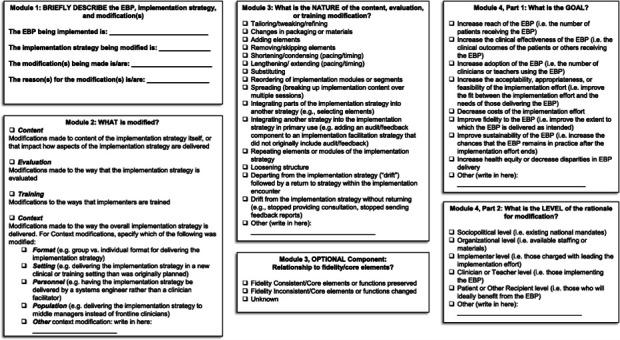
We conducted a qualitative study using the Framework for Reporting Adaptations and Modifications in Evidence-based Implementation Strategies (FRAME-IS) to examine 2wT adaptations. We reported adaptations to the 2wT intervention using two steps. First, we categorised adaptations in a shared study-specific Google Docs that documented participant engagement with the 2wT system, tracked daily RCT implementation notes, reported software bugs and noted reminder emails about adaptations for the research team. Second, we conducted a qualitative assessment of the influence of adaptations on project outcomes via 10 periodic reflection meetings with VMMC implementers. Reflection documentation included notes from field observations, meeting minutes and informal partner check-ins to complete adaptation documentation. Using the FRAME-IS as a codebook, adaptations were categorised.
SETTING
The RCT was conducted in rural and urban VMMC clinics in the North West and Gauteng districts of South Africa.
PARTICIPANTS
Implementation scientists and VMMC implementers who implemented the 2wT pragmatic randomised controlled trial (pRCT) were participants for the adaptation study.
PRIMARY AND SECONDARY OUTCOME MEASURES
The primary outcome measure was the adaptations that were made during the implementation of the 2wT pRCT. The secondary outcome measures were fidelity and rigour of implementing adaptations to the 2wT pRCT.
RESULTS
Between June 2021 and February 2022, 13 adaptations were identified in three phases during the implementation of the 2wT pRCT. The first phase of adaptations aimed to augment study recruitment, including conducting weekend VMMC recruitment camps, using mobile outreach services in the rural site, adding two urban sites to increase recruitment, using weekly WhatsApp calls for updates with all implementing teams, using virtual meetings to implement the 2wT strategy remotely during COVID-19 restrictions and allocating one clinician to work outside of normal working hours. The second phase of adaptations further enhanced enrolments, including adding two local language translations in the usability survey for 2wT men and contributing a portion towards the salary of the implementing staff by the research partner. The third phase included the exclusion of two rural clinics as recruitment sites due to inconsistent mobile phone networks, adding another layer of data quality checks to ensure data quality, training non-clinical counsellors to help with enrolling clients, retraining of staff in the rural site with high staff turnover and using both primary and alternative phone numbers for enrolment to reduce loss to follow-up.
CONCLUSIONS
This study made adaptations to the 2wT pRCT without compromising the fidelity of the study. The 2wT pRCT balances rigour (fidelity) and relevance (adaptation). Adaptations should not be confined by rigour but should also not go unchallenged or unverified. We conclude that fidelity can be maintained with adaptations that are implemented to close the gap between research in the laboratory and practice.
TRIAL REGISTRATION NUMBER
The trial from which this study was conducted, 'Expanding and Scaling Two-way Texting to Reduce Unnecessary Follow-Up and Improve Adverse Event Identification Among Voluntary Medical Male Circumcision (VMMC) Participants in the Republic of South Africa', was registered at ClinicalTrials.gov (ID: NCT04327271) on 31 March 2020.
目的
记录在南非开展的自愿男性包皮环切术(VMMC)双向短信(2wT)随机对照试验(RCT)实施过程中的调整情况,并对这种情况下调整与保真度之间的差异进行细致讨论。
设计
我们采用循证实施策略中的调整与修改报告框架(FRAME-IS)进行了一项定性研究,以检查2wT的调整情况。我们分两步报告了对2wT干预措施的调整。首先,我们在一个特定研究的共享谷歌文档中对调整进行分类,该文档记录了参与者与2wT系统的互动、跟踪每日RCT实施记录、报告软件错误,并记录给研究团队的关于调整的提醒邮件。其次,我们通过与VMMC实施者举行的10次定期反思会议,对调整对项目结果的影响进行了定性评估。反思记录包括实地观察笔记、会议纪要以及与合作伙伴的非正式沟通记录,以完善调整记录。使用FRAME-IS作为编码手册,对调整进行分类。
背景
该RCT在南非西北省和豪登省农村及城市的VMMC诊所进行。
参与者
实施2wT实用随机对照试验(pRCT)的实施科学家和VMMC实施者参与了调整研究。
主要和次要结局指标
主要结局指标是在实施2wT pRCT过程中所做的调整。次要结局指标是对2wT pRCT实施调整的保真度和严谨性。
结果
在2021年6月至2022年2月期间,在2wT pRCT实施的三个阶段中确定了13项调整。第一阶段的调整旨在增加研究招募人数,包括举办周末VMMC招募营、在农村地区使用移动外展服务、增加两个城市站点以增加招募人数、通过每周的WhatsApp电话向所有实施团队提供最新情况、在新冠疫情限制期间利用虚拟会议远程实施2wT策略,以及安排一名临床医生在正常工作时间之外工作。第二阶段的调整进一步提高了入组率,包括在2wT男性可用性调查中增加两种当地语言翻译,以及研究合作伙伴为实施人员的工资提供一部分资金。第三阶段包括由于移动电话网络不稳定而将两个农村诊所排除在招募地点之外、增加另一层数据质量检查以确保数据质量、培训非临床咨询师以帮助招募客户、对人员流动率高的农村站点的工作人员进行再培训,以及使用主要电话号码和备用电话号码进行登记以减少失访。
结论
本研究对2wT pRCT进行了调整,但未损害研究的保真度。2wT pRCT平衡了严谨性(保真度)和相关性(调整)。调整不应受严谨性的限制,但也不应未经质疑或验证。我们得出结论,通过实施调整以弥合实验室研究与实践之间的差距,可以保持保真度。
试验注册号
本研究基于的试验“扩大和推广双向短信以减少不必要的随访并改善南非共和国自愿男性包皮环切术(VMMC)参与者中的不良事件识别”于2020年3月31日在ClinicalTrials.gov注册(ID:NCT04327271)。
 Zotero 插件