
用于先进电化学储能的过渡金属磷化物/二硫化钼异质结构:最新进展与挑战
Transition metal phosphide/ molybdenum disulfide heterostructures towards advanced electrochemical energy storage: recent progress and challenges.
作者信息
Shahmohammadi Ali, Dalvand Samad, Molaei Amirhossein, Mousavi-Khoshdel Seyed Morteza, Yazdanfar Najmeh, Hasanzadeh Mohammad
机构信息
Faculty of Chemistry, Kharazmi University 43 South Mofatteh Avenue Tehran Iran.
Iranian Research & Development Center for Chemical Industries (IRDCI), Academic Center for Education, Culture and Research (ACECR) Karaj Iran
出版信息
RSC Adv. 2025 Apr 28;15(17):13397-13430. doi: 10.1039/d5ra01184a. eCollection 2025 Apr 22.
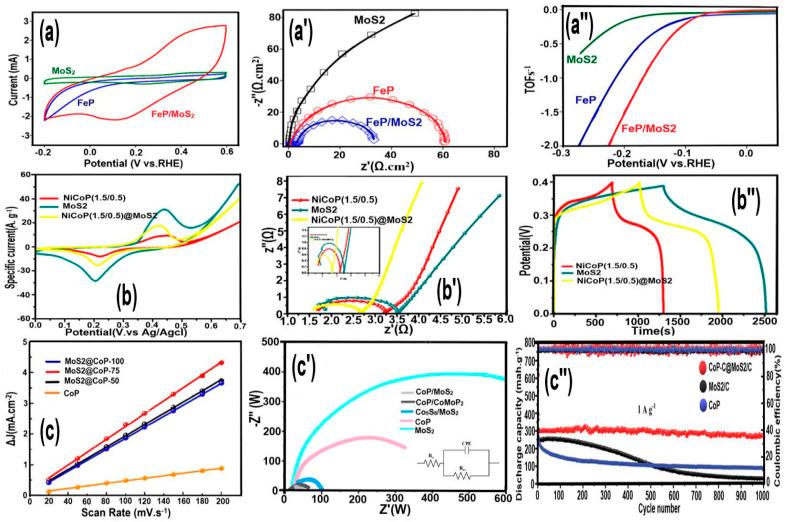
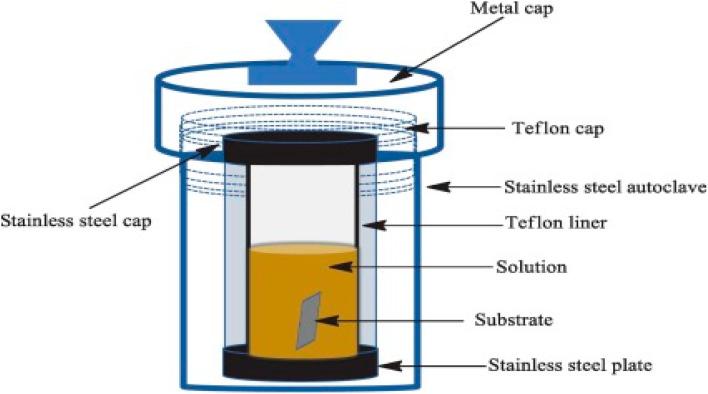
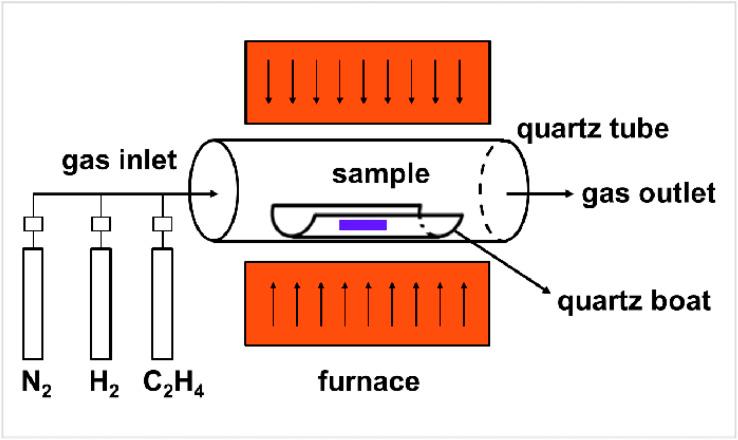
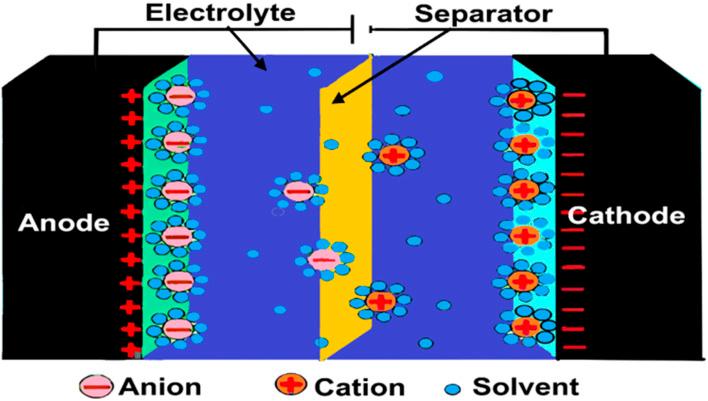
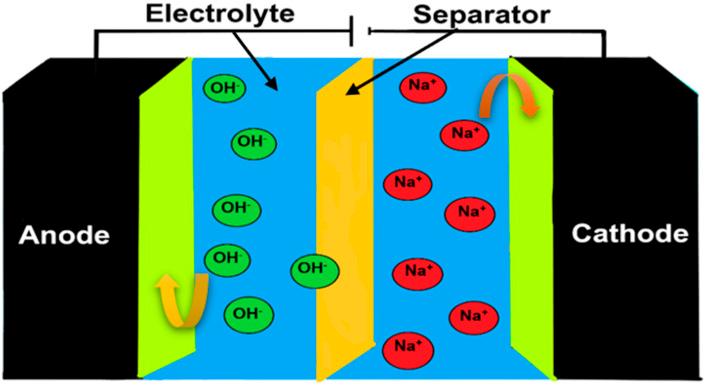
Transition metal phosphide @ molybdenum disulfide (TMP@MoS) heterostructures, consisting of TMP as the core main catalytic body and MoS as the outer shell, can solve the three major problems in the field of renewable energy storage and catalysis, such as lack of resources, cost factors, and low cycling stability. The heterostructures synergistically combine the excellent conductivity and electrochemical performance of transition metal phosphides with the structural robustness and catalytic activity of molybdenum disulfide, which holds great promise for clean energy. This review addresses the advantages of TMP@MoS materials and their synthesis methods-, hydrothermal routes and chemical vapor deposition regarding scalability and cost. Their electrochemical energy storage and catalytic functions , hydrogen and oxygen evolution reactions (HER and OER) are also extensively explored. Their potential within battery and supercapacitor technologies is also assessed against leading performance metrics. Challenges toward industry-scale scalability, longevity, and environmental sustainability are also addressed, as are optimization and large-scale deployment strategies.
过渡金属磷化物@二硫化钼(TMP@MoS)异质结构由作为核心主要催化体的TMP和作为外壳的MoS组成,能够解决可再生能源存储与催化领域中的三大问题,如资源短缺、成本因素以及循环稳定性低等。这种异质结构将过渡金属磷化物的优异导电性和电化学性能与二硫化钼的结构稳定性和催化活性协同结合起来,在清洁能源方面具有巨大潜力。本综述阐述了TMP@MoS材料的优势及其合成方法——从水热路线到化学气相沉积,涉及可扩展性和成本方面。还广泛探讨了它们的电化学储能和催化功能,即析氢和析氧反应(HER和OER)。同时,对照主要性能指标评估了它们在电池和超级电容器技术中的潜力。还讨论了在工业规模可扩展性、寿命和环境可持续性方面面临的挑战,以及优化和大规模部署策略。

 Zotero 插件