
微生物群与后生元对皮肤健康的影响
Microbiome and Postbiotics in Skin Health.
作者信息
Prajapati Santosh Kumar, Lekkala Lalitha, Yadav Dhananjay, Jain Shalini, Yadav Hariom
机构信息
USF Center for Microbiome Research, Microbiomes Institute, University of South Florida Morsani College of Medicine, Tampa, FL 33612, USA.
Center of Excellence in Aging and Brain Repair, Department of Neurosurgery and Brain Repair, University of South Florida Morsani College of Medicine, Tampa, FL 33612, USA.
出版信息
Biomedicines. 2025 Mar 25;13(4):791. doi: 10.3390/biomedicines13040791.
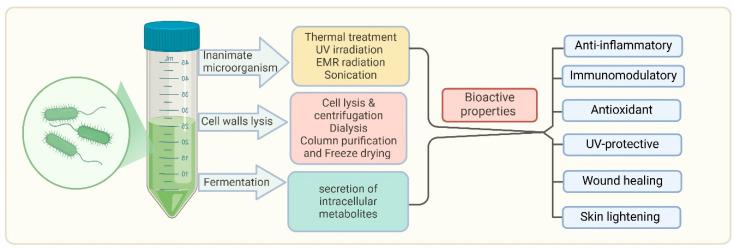
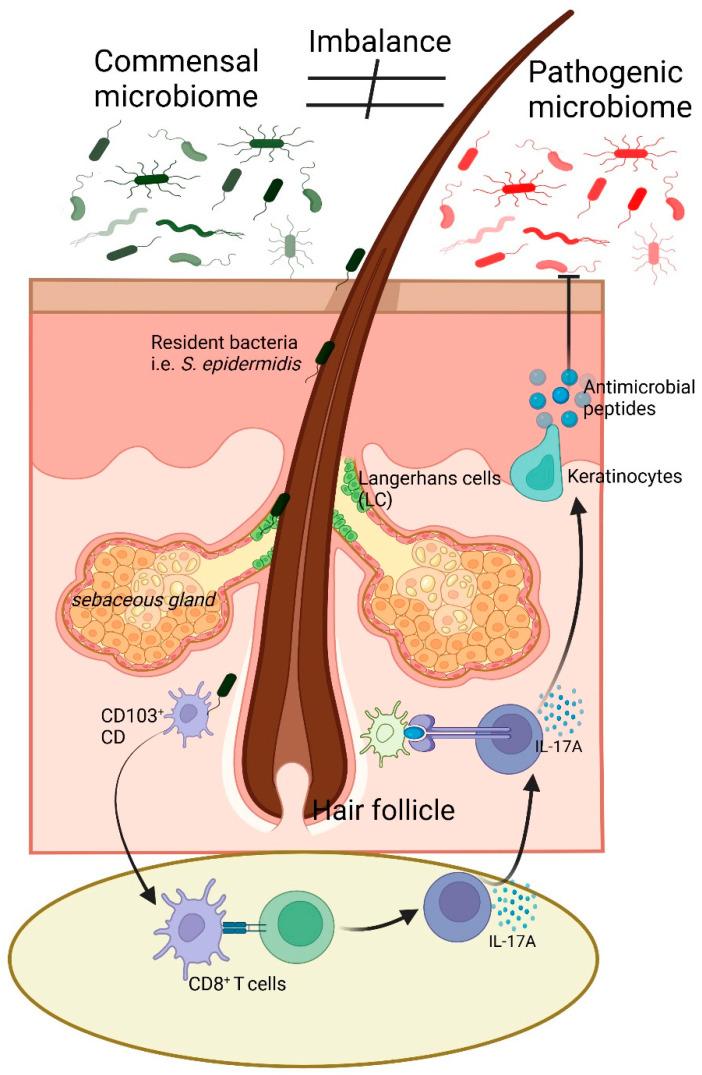
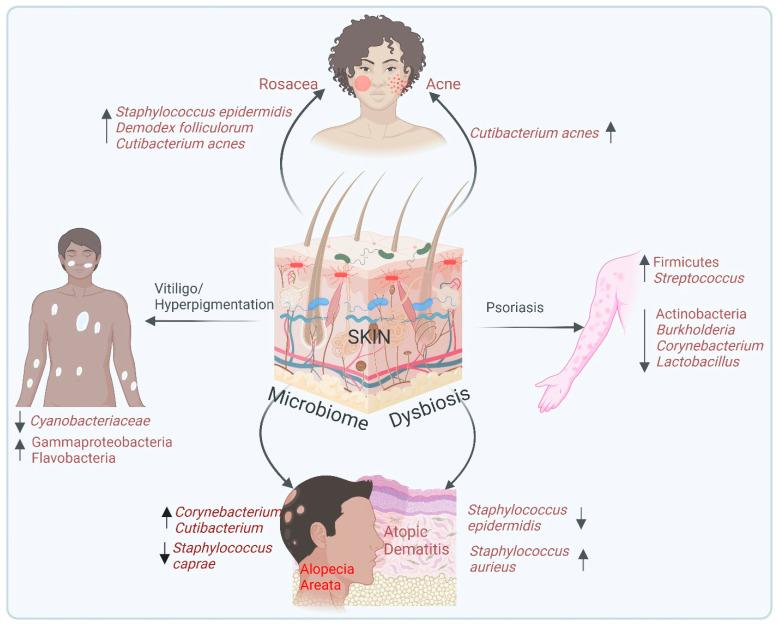
The skin microbiome, a diverse and dynamic ecosystem of microorganisms, plays a pivotal role in maintaining skin health by interacting with skin cells, immune components, and structural barriers. It is essential for skin homeostasis, immune defense, and protection against pathogenic colonization. Dysbiosis in the microbiome has been implicated in numerous dermatological conditions, including acne, eczema, psoriasis, and rosacea. Acne, the most prevalent skin condition, affects up to 85% of individuals at some point in their lives, while eczema and psoriasis impose significant public health and economic burdens. The composition of the skin microbiome varies across skin types and anatomical sites, with sebaceous, moist, and dry areas fostering distinct microbial communities. Emerging therapeutic strategies such as microbiome-targeted treatments offer novel avenues for addressing skin diseases. Among these approaches, postbiotics have gained significant attention for their safety and efficacy. Unlike probiotics, postbiotics are non-viable microbial cells or their metabolites, which reduce safety concerns while providing functional benefits such as UV protection and wound healing. This review consolidates current insights into the role of the skin microbiome in health and disease, emphasizing postbiotics as a promising therapeutic strategy by exploring the clinical and commercial potential of microbiome-based treatments, particularly postbiotics, and their ability to redefine dermatological care and improve patient outcomes.
皮肤微生物群是一个多样且动态的微生物生态系统,通过与皮肤细胞、免疫成分和结构屏障相互作用,在维持皮肤健康方面发挥着关键作用。它对于皮肤稳态、免疫防御以及抵御病原体定植至关重要。微生物群的失调与多种皮肤病有关,包括痤疮、湿疹、银屑病和玫瑰痤疮。痤疮是最常见的皮肤疾病,在某些时候影响高达85%的人,而湿疹和银屑病给公共卫生和经济带来了重大负担。皮肤微生物群的组成因皮肤类型和解剖部位而异,皮脂腺丰富、湿润和干燥的区域形成不同的微生物群落。诸如针对微生物群的治疗等新兴治疗策略为解决皮肤疾病提供了新途径。在这些方法中,后生元因其安全性和有效性而受到了广泛关注。与益生菌不同,后生元是无活性的微生物细胞或其代谢产物,在提供如紫外线防护和伤口愈合等功能益处的同时,减少了安全方面的担忧。本综述整合了目前对皮肤微生物群在健康和疾病中作用的见解,通过探索基于微生物群的治疗方法,特别是后生元的临床和商业潜力,以及它们重新定义皮肤病护理和改善患者治疗效果的能力,强调后生元是一种有前景的治疗策略。
 Zotero 插件