
卡帕西利布致一名伴有骨转移的非糖尿病转移性前列腺癌患者发生糖尿病酮症酸中毒:一例罕见但严重代谢并发症的病例报告
Capivasertib-Induced Diabetic Ketoacidosis in a Non-diabetic Patient With Metastatic Prostate Cancer With Bone Involvement: A Case Report of a Rare but Serious Metabolic Complication.
作者信息
Habeb Bola, Valdes Otto, Khair Sandy, Sidhu Gurmanpreet, Fowler Matthew
机构信息
Internal Medicine, University of Florida College of Medicine/Ascension Sacred Heart, Pensacola, USA.
Radiation Oncology, Cairo University/National Cancer Institute, Cairo, EGY.
出版信息
Cureus. 2025 Mar 31;17(3):e81513. doi: 10.7759/cureus.81513. eCollection 2025 Mar.
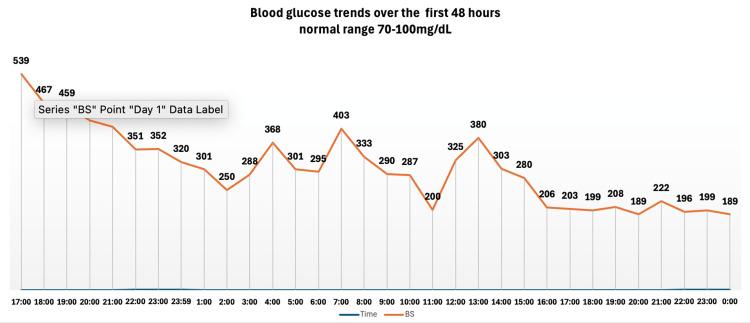
Capivasertib, a protein kinase B (AKT) inhibitor manufactured by AstraZeneca pharmaceutical and used in the treatment of various malignancies, has been implicated in cases of drug-induced diabetic ketoacidosis (DKA). We present a case of capivasertib-induced DKA in a patient with no prior history of diabetes, highlighting the metabolic complications associated with this targeted therapy. The proposed mechanism involves AKT inhibition leading to impaired insulin signaling, reduced glucose uptake, and increased lipolysis, ultimately resulting in ketogenesis. This case underscores the need for vigilant glucose monitoring in patients receiving capivasertib, especially those with predisposing risk factors for insulin resistance or pancreatic dysfunction.
卡帕替尼是阿斯利康制药公司生产的一种蛋白激酶B(AKT)抑制剂,用于治疗各种恶性肿瘤,它已被认为与药物性糖尿病酮症酸中毒(DKA)病例有关。我们报告一例既往无糖尿病史的患者发生卡帕替尼诱导的DKA病例,强调了这种靶向治疗相关的代谢并发症。推测的机制包括AKT抑制导致胰岛素信号传导受损、葡萄糖摄取减少和脂肪分解增加,最终导致酮体生成。该病例强调了接受卡帕替尼治疗的患者,尤其是那些有胰岛素抵抗或胰腺功能障碍易感风险因素的患者,需要进行 vigilant 血糖监测。


 Zotero 插件