
慢性瘙痒:一篇叙述性综述。
Chronic pruritus: a narrative review.
作者信息
Criado Paulo Ricardo, Jardim Criado Roberta Fachini, Ianhez Mayra, Miot Hélio Amante
机构信息
Centro Universitário Faculdade de Medicina do ABC, Santo André, SP, Brazil; Faculdade de Ciências Médicas de Santos (Fundação Lusíada), Santos, SP, Brazil.
Alergoskin Alergia e Dermatologia, UCARE Center and ADCARE, Santo André, São Paulo, Brazil.
出版信息
An Bras Dermatol. 2025 May-Jun;100(3):487-519. doi: 10.1016/j.abd.2024.09.008. Epub 2025 May 3.
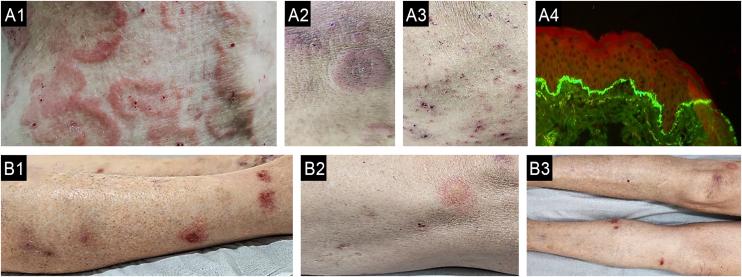
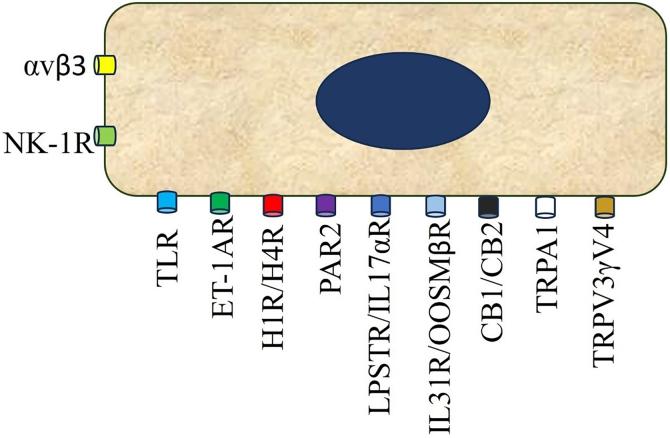
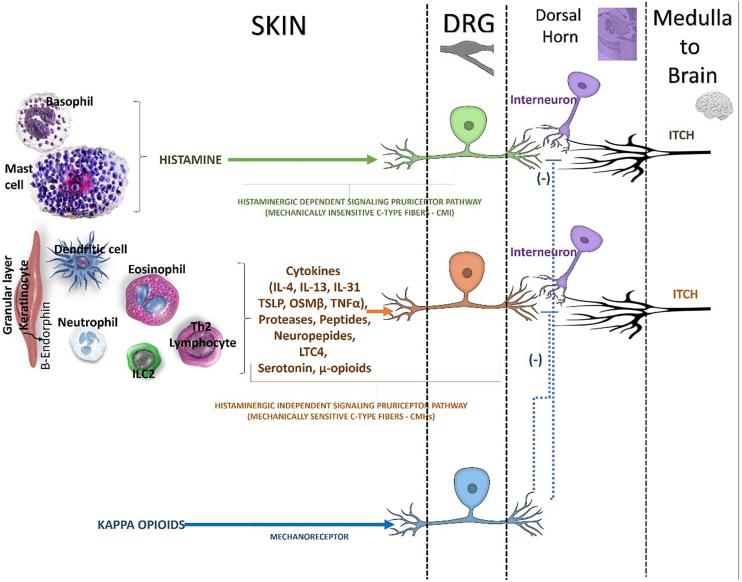
Chronic pruritus encompasses a manifestation of several cutaneous, allergic, infectious, neurological, psychological, and systemic conditions, whose etiological investigation and therapeutic strategy can be challenging. This comprehensive review aims to enhance the understanding of pruritus by highlighting important elements in its pathogenesis, including keratinocytes, Merkel cells and mast cells, nerve fibers, histaminergic and nonhistaminergic pathways, and the interaction of itch signals with the central nervous system. Diagnostic evaluation of chronic pruritus may require a meticulous approach, guided by the identification of skin lesions or signs/symptoms of underlying systemic diseases. A comprehensive evaluation, including a detailed medical history, thorough physical examination, and appropriate laboratory and imaging tests, often supplemented by skin biopsy and direct immunofluorescence, is essential. Treatment strategies for chronic pruritus should be individualized based on the etiology identified. General measures, such as emollients, serve as initial interventions, followed by targeted approaches. Topical corticosteroids, calcineurin inhibitors, phototherapy, and systemic immunosuppressants address cutaneous inflammation. Antihistamines, antidepressants, and immunosuppressants may be employed based on the specific etiology. Emerging therapies, including biologic drugs and JAK inhibitors, have potential in refractory cases.
慢性瘙痒是多种皮肤、过敏、感染、神经、心理和全身性疾病的一种表现,对其病因进行调查并制定治疗策略可能具有挑战性。这篇综述旨在通过强调瘙痒发病机制中的重要因素来增进对瘙痒的理解,这些因素包括角质形成细胞、默克尔细胞和肥大细胞、神经纤维、组胺能和非组胺能途径,以及瘙痒信号与中枢神经系统的相互作用。慢性瘙痒的诊断评估可能需要一种细致的方法,以识别皮肤病变或潜在全身性疾病的体征/症状为指导。全面评估,包括详细的病史、全面的体格检查以及适当的实验室和影像学检查,通常辅以皮肤活检和直接免疫荧光检查,至关重要。慢性瘙痒的治疗策略应根据所确定的病因进行个体化。一般措施,如润肤剂,作为初始干预措施,随后采取针对性方法。局部皮质类固醇、钙调神经磷酸酶抑制剂、光疗和全身性免疫抑制剂可解决皮肤炎症问题。抗组胺药、抗抑郁药和免疫抑制剂可根据具体病因使用。包括生物药物和JAK抑制剂在内的新兴疗法在难治性病例中具有潜力。

 Zotero 插件