
代谢功能障碍相关“脂肪性或脂肪变性”肝病的未满足需求。
Unmet needs of metabolic dysfunction - Associated "fatty or steatotic" liver disease.
作者信息
Cheng Yu-Ming, Wang Shao-Wen, Wang Ching, Wang Chia-Chi
机构信息
Department of Gastroenterology and Hepatology, Tung's Taichung MetroHarbor Hospital, Taichung, Taiwan.
Department of Education, Taipei Medical University-Shuang Ho Hospital, Ministry of Health and Welfare, New Taipei, Taiwan.
出版信息
Tzu Chi Med J. 2025 Mar 4;37(2):152-156. doi: 10.4103/tcmj.tcmj_232_24. eCollection 2025 Apr-Jun.
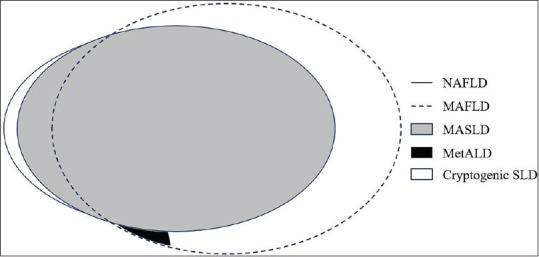
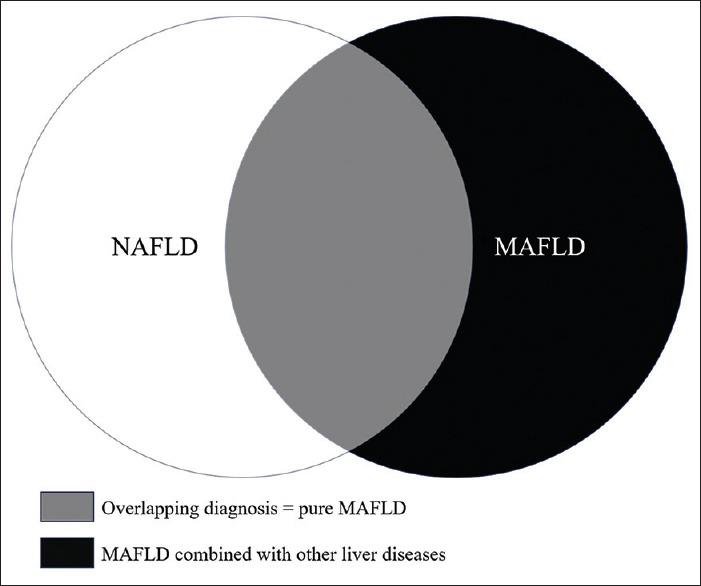
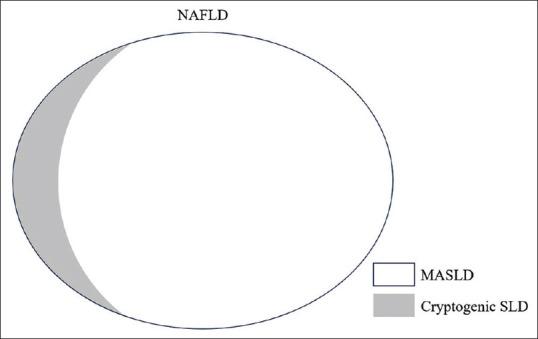
Nonalcoholic fatty liver disease (NAFLD), first named in 1980, is currently the most common chronic liver disease, imposing significant health, social, and economic burdens. However, it is defined as a diagnosis of exclusion, lacking a clear underlying cause in its diagnostic criteria. In 2020, metabolic dysfunction-associated fatty liver disease (MAFLD) was proposed as a replacement for NAFLD, introducing additional criteria related to metabolic dysfunction. In 2023, metabolic dysfunction-associated steatotic liver disease (MASLD) was suggested to replace NAFLD, aiming to avoid the stigmatizing term "fatty" and incorporating cardiometabolic criteria for metabolic dysfunction. This divergence in nomenclature and diagnostic criteria between MAFLD and MASLD presents challenges to medical communication and progress. This review outlines the pros and cons of both terminologies, based on current research evidence, in the hope of fostering global consensus in the future.
非酒精性脂肪性肝病(NAFLD)于1980年首次命名,是目前最常见的慢性肝病,带来了重大的健康、社会和经济负担。然而,它被定义为一种排除性诊断,其诊断标准中缺乏明确的潜在病因。2020年,代谢功能障碍相关脂肪性肝病(MAFLD)被提议作为NAFLD的替代名称,引入了与代谢功能障碍相关的额外标准。2023年,有人建议用代谢功能障碍相关脂肪性肝病(MASLD)取代NAFLD,旨在避免使用带有污名化的术语“脂肪性”,并纳入代谢功能障碍的心血管代谢标准。MAFLD和MASLD在命名和诊断标准上的这种差异给医学交流和进展带来了挑战。本综述基于当前的研究证据概述了这两种术语的优缺点,希望未来能达成全球共识。
 Zotero 插件