
通过昆虫生物炼制提高肉类生产的可持续性。
Enhancing sustainability in meat production through insect biorefinery.
作者信息
Kim Jee Young, Park Jonghyun, Lee Dong-Jun, Choi Ye-Bin, Choi Youngjun, Park Won-Kun, Koo Bonwoo, Park Kwanho, Lee Doyeon, Kwon Eilhann E
机构信息
Department of Earth Resources & Environmental Engineering, Hanyang University, Seoul, Republic of Korea.
Department of Animal Environment, National Institute of Animal Science (NIAS), Wanju, Republic of Korea.
出版信息
NPJ Sci Food. 2025 May 7;9(1):65. doi: 10.1038/s41538-025-00434-7.
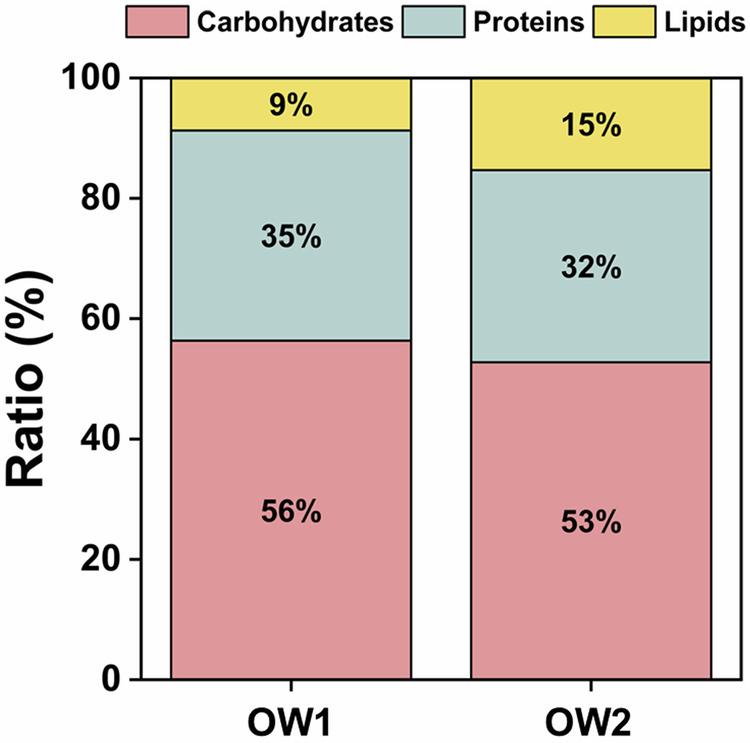
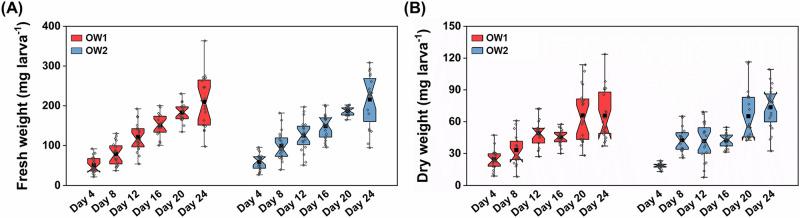
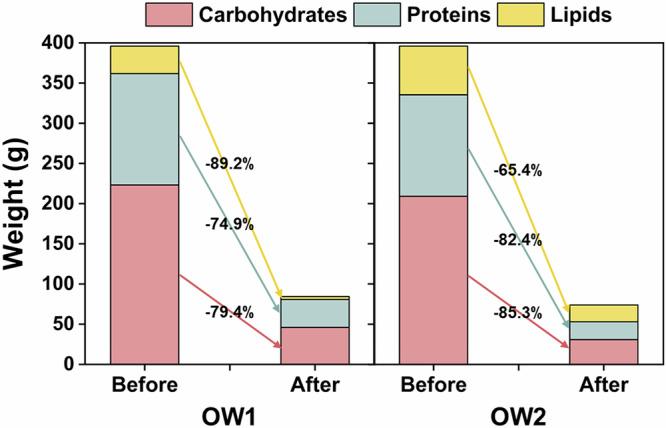
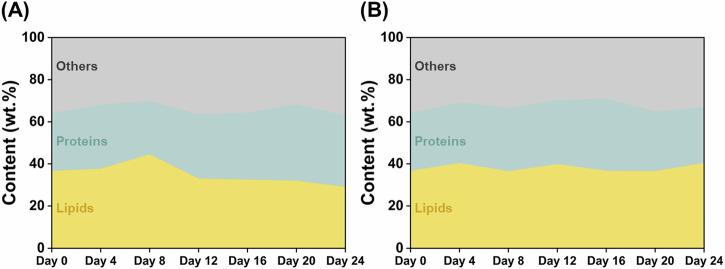
Valuable feed crops and fossil fuel energy are used to produce animal meat. To become sustainable, meat production methods must adapt to include non-food substrates and renewable fossil-fuel alternatives. We evaluated the potential of protein livestock feed and biodiesel production through insect biorefining. The bioconversion efficiency of organic waste into black soldier fly larvae (BSFL) biomass was 32.0-35.8% after 24 d. The protein and lipid composition of BSFL changed with the cultivation time. The substrate influenced lipid content, and low lipid content led to lower lipid accumulation in the BSFL. Nevertheless, the potential productivity of proteins (42,471-48,345 kg ha y) and lipids (41,642-64,708 kg ha y) from BSFL cultivation with organic waste was higher than that of conventional livestock feed/biodiesel feedstocks, such as maize or soybean. In conclusion, insect biorefineries using BSFL can contribute significantly to the establishment of sustainable meat production.
人们使用宝贵的饲料作物和化石燃料能源来生产动物肉类。为了实现可持续发展,肉类生产方法必须进行调整,纳入非食品底物和可再生化石燃料替代品。我们通过昆虫生物精炼评估了生产蛋白质牲畜饲料和生物柴油的潜力。24天后,有机废物转化为黑水虻幼虫(BSFL)生物质的生物转化效率为32.0%-35.8%。BSFL的蛋白质和脂质组成随培养时间而变化。底物影响脂质含量,低脂质含量导致BSFL中的脂质积累较低。然而,利用有机废物养殖BSFL生产蛋白质(42471-48345千克/公顷·年)和脂质(41642-64708千克/公顷·年)的潜在生产力高于传统牲畜饲料/生物柴油原料,如玉米或大豆。总之,使用BSFL的昆虫生物精炼厂可以为建立可持续肉类生产做出重大贡献。

 Zotero 插件