
用于培训急诊医学医师的创新型超声引导竖脊肌平面神经阻滞模型
Innovative Ultrasound-Guided Erector Spinae Plane Nerve Block Model for Training Emergency Medicine Physicians.
作者信息
Ibarra Jose Correa, Crowley Amelia, Lindros Sydney Hughes, Walker Kevin B, Astemborski Caroline, Moschella Phillip
机构信息
Prisma Health Upstate, Department of Emergency Medicine, Greenville, SC.
Clemson University, Department of Public Health Sciences, Clemson, SC.
出版信息
J Educ Teach Emerg Med. 2025 Apr 30;10(2):I1-I10. doi: 10.21980/J8PW7D. eCollection 2025 Apr.
AUDIENCE
This ultrasound-guided erector spinae plane (ESP) nerve block model is designed to instruct emergency medicine (EM) attending and resident physicians. However, this innovation is appropriate for all levels of learners, including medical students, advanced practice clinicians (APCs), and clinicians in other medical specialties.
INTRODUCTION
The ESP nerve block is a relatively new regional anesthesia technique that involves injection of local anesthetic along the fascial plane below the erector spinae muscles.1-3 The ESP nerve block was first described in 2016 by Forero et al. to help manage severe thoracic neuropathic pain resulting from malunion of multiple rib fractures and metastatic disease of the ribs.1 The block has since emerged as a safe, feasible and effective analgesic intervention for various pathologies, including management of pain for acute rib fractures.2,3 However, barriers to implementation into routine practice in the emergency department (ED) exist due to gaps in knowledge about the block and a lack of training.4 We created a novel, inexpensive, and portable ultrasound-guided ESP nerve block model that can be used to facilitate training for EM physicians and residents.
EDUCATIONAL OBJECTIVES
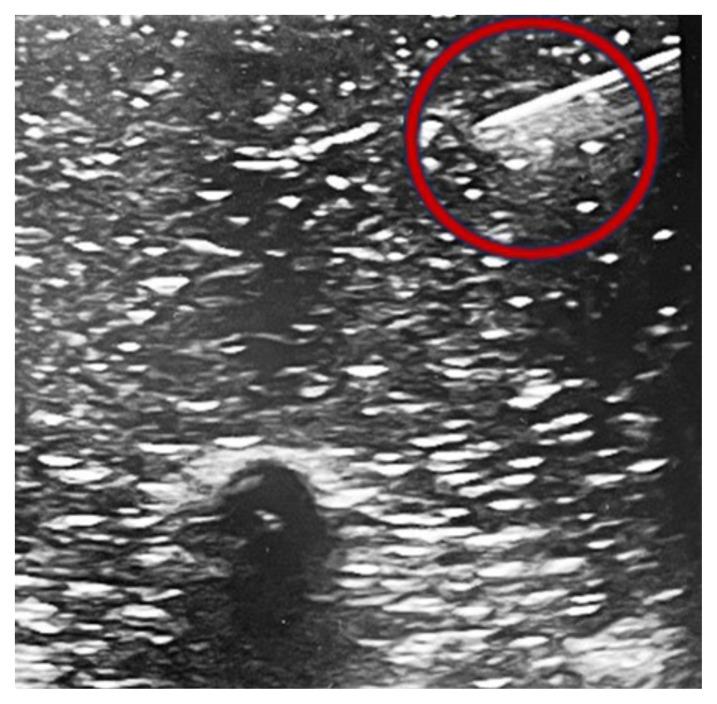
This innovation model is designed to facilitate hands-on training of the ultrasound-guided ESP nerve block using a practical, realistic, and cost-effective ballistics gel model. By the end of this training session, learners should be able to: 1) identify relevant sonoanatomy on the created simulation model; 2) demonstrate proper in-plane technique; and 3) successfully replicate the procedure on a different target on the created training model.
EDUCATIONAL METHODS
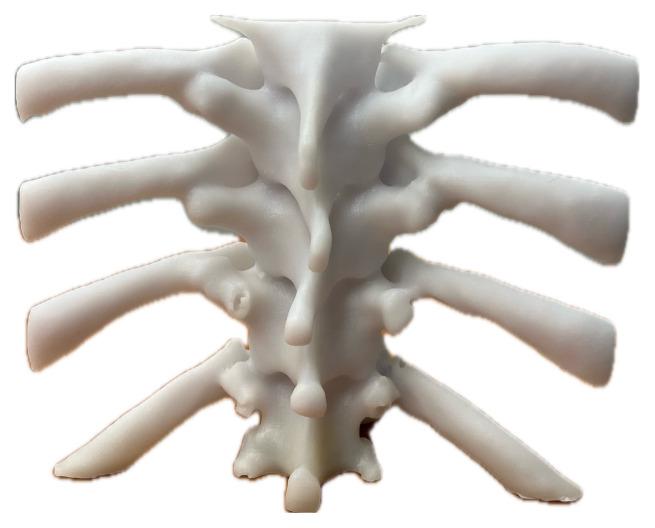
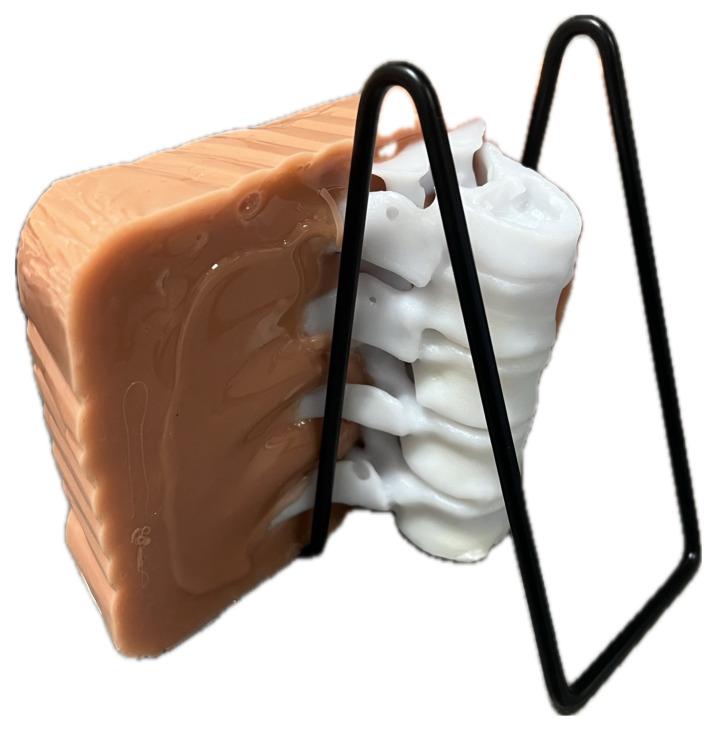
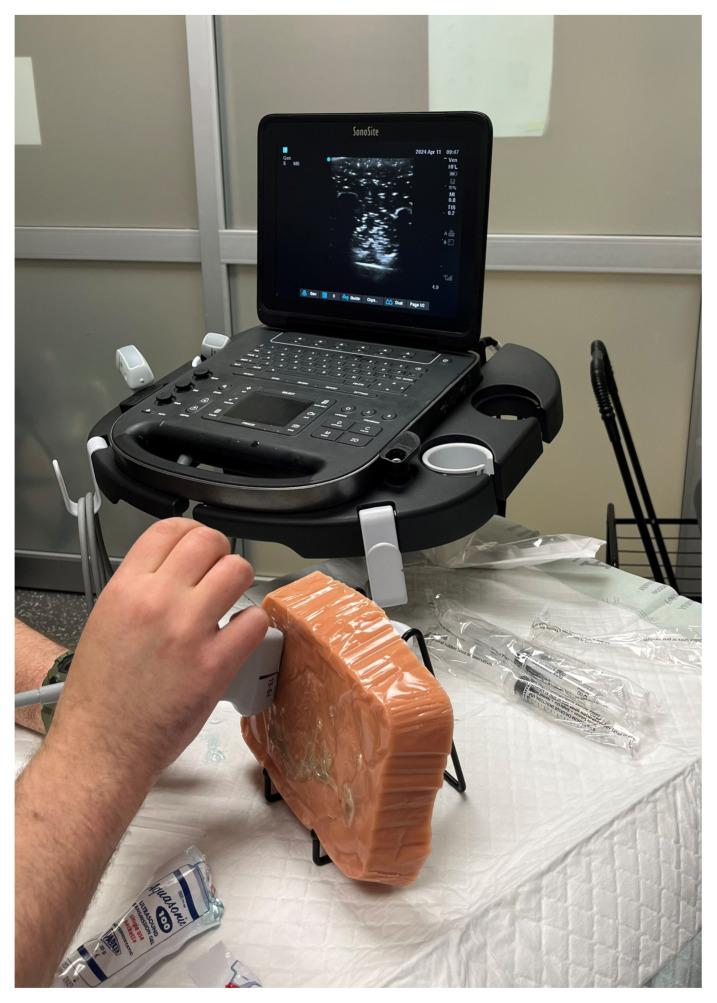
We created a cost-effective ESP nerve block model using a 3-D printed spine and ribcage suspended in ballistics gel that is compatible with ultrasound. The use of ballistics gelatin in the model closely simulates the viscosity and density of animal tissue, allows for ultrasound use, and is cost-efficient and more feasible than other organic models because it can be easily melted and re-used.5 At the time of this model's creation, the only previous approach to creating an ESP model was a porcine model that used meat cuts from the lower thoracic region and spine. However, the major limitation of this porcine model was its limited shelf life.6 The created ESP model was incorporated into a hands-on training module that took place one to two times per week over two months. Additional sessions were incorporated on a case-by-case basis. All participants were first given access to an educational ESP Nerve Block PowerPoint presentation to be reviewed prior to attending in-person sessions. The training sessions were promoted through weekly email reminders containing the dates and a link to an online sign-up sheet. Additionally, on training days, our project director actively sought to recruit available participants on-shift. Each training day, a one-to-two-hour window was made available for participants to attend. Each training session was conducted with a small group of four or fewer trainees beginning with a short didactic lecture presented by a lead instructor, either the Associate Research Director of Emergency Medicine or the Medical Director for Division of Pain Medicine, followed by live demonstration of the nerve block using the ESP model. Participants were then given the opportunity to practice on the ESP model. Sessions ended when all participants demonstrated proper and successful technique with the model, reported adequate confidence with the block, and all questions were addressed. Feedback on technique was provided throughout the training session by the lead instructor.
RESEARCH METHODS
Post-education surveys were distributed to all participants electronically to assess training impact. The survey collected data on the participants' title, prior experience performing ESP nerve blocks, competency of the teaching model, and their comfort with performing the block after the training. The Institutional Review Board (IRB) reviewed and deemed this project exempt from full board review.
RESULTS
Thirty-four participants attended the in-person training sessions, consisting mainly of EM attending (16/34; 47%) and resident (13/34; 38%) physicians. Fourteen (14/34; 41%) participants returned completed surveys, of which 50% were residents (7/14; 50%) and 50% attending physicians (7/14; 50%). The majority (12/14; 86%) of respondents reported no prior experience in performing an ESP block with only 14% (2/14; 14%) reporting performing fewer than two ESP nerve blocks per year. All respondents (14/14; 100%) agreed or strongly agreed that the education session with the ESP model improved their confidence, knowledge, and skills to perform the block. All (14/14; 100%) agreed or strongly agreed that they felt confident in their ability to use ultrasound to identify landmarks on the model pertinent to performing the ESP block. All (14/14; 100%) reported that they felt that the material presented during these training sessions was relevant to their practice in the ED, within their scope of practice, and part of their job as an ED physician. All (14/14; 100%) reported they felt performing ESP blocks in the ED could positively impact patient outcomes and reported an increased likelihood of performing the ESP block in the ED following this training session. Lastly, respondents were asked to list any barriers that might inhibit them from performing the ESP block on shift, in addition to any strategies to facilitate ESP block use. Four participants (4/14; 29%) reported barriers to performing an ESP block including time constraints (50%) and patient mobility limitations (50%). Twelve participants (12/14; 86%) reported facilitators to performing ESP blocks, the most common of which being easier access to supplies and assistance with procedure setup (43%), followed by increased education sessions (21%).
DISCUSSION
Our survey results indicate that our learners perceived an increase in knowledge, confidence, and skills in performing ultrasound-guided ESP blocks after using our innovative model as a hands-on teaching tool during a training session. A simple 30-minute training session with a novel ballistics gelatin ESP model can improve confidence, knowledge, and skills in performing this block in the ED, even amongst nerve block naive physicians. Additionally, by identifying barriers to the use of the ESP block in the ED, researchers can create strategies to mitigate these challenges to increase utilization of these procedures for appropriate patients in the ED. These strategies include but are not limited to addressing ways to mitigate time constraint issues, patient mobility limitations, access to supplies, assistance with procedure set up, and increasing education sessions to increase physician comfort with successful completion of the procedure.
TOPICS
Erector spinae plane nerve block, ultrasound, regional anesthesia, rib fractures, ballistics gel model, hands-on training.
受众
本超声引导下竖脊肌平面(ESP)神经阻滞模型旨在指导急诊医学(EM)主治医师和住院医师。然而,这项创新适用于所有水平的学习者,包括医学生、高级实践临床医生(APC)以及其他医学专业的临床医生。
引言
ESP神经阻滞是一种相对较新的区域麻醉技术,涉及在竖脊肌下方的筋膜平面注射局部麻醉剂。1-3 ESP神经阻滞最早由Forero等人于2016年描述,用于帮助管理多根肋骨骨折畸形愈合和肋骨转移性疾病引起的严重胸部神经性疼痛。1此后,该阻滞已成为一种安全、可行且有效的镇痛干预措施,用于各种病症,包括急性肋骨骨折的疼痛管理。2,3然而,由于对该阻滞的知识差距和缺乏培训,在急诊科(ED)将其纳入常规实践存在障碍。4我们创建了一种新颖、廉价且便携的超声引导下ESP神经阻滞模型,可用于促进对EM医师和住院医师的培训。
教育目标
这个创新模型旨在通过使用实用、逼真且经济高效的弹道凝胶模型,促进超声引导下ESP神经阻滞的实践培训。在本次培训课程结束时,学习者应能够:1)在创建的模拟模型上识别相关的超声解剖结构;2)展示正确的平面内技术;3)在创建的培训模型上成功在不同目标上重复该操作。
教育方法
我们使用3D打印的脊柱和胸腔悬浮在与超声兼容的弹道凝胶中创建了一个经济高效的ESP神经阻滞模型。在模型中使用弹道明胶紧密模拟了动物组织的粘度和密度,允许使用超声,并且比其他有机模型更具成本效益且更可行,因为它可以轻松熔化并重复使用。5在创建此模型时,之前创建ESP模型的唯一方法是使用来自下胸部区域和脊柱的猪肉切块的猪模型。然而,这个猪模型的主要局限性是其保质期有限。6创建的ESP模型被纳入一个实践培训模块,该模块在两个月内每周进行一到两次。根据具体情况增加额外的课程。所有参与者首先可以访问一个关于ESP神经阻滞的教育性PowerPoint演示文稿,以便在参加面对面课程之前进行复习。培训课程通过每周的电子邮件提醒进行推广,其中包含日期和在线报名表格的链接。此外,在培训日,我们的项目主任积极招募轮班的可用参与者。每个培训日都为参与者提供一到两个小时的时间段供其参加。每个培训课程由一小群四名或更少的学员进行,首先由首席讲师进行简短的理论讲座,首席讲师可以是急诊医学副研究主任或疼痛医学科主任,随后使用ESP模型进行神经阻滞的现场演示。然后让参与者有机会在ESP模型上进行练习。当所有参与者在模型上展示出正确且成功的技术、报告对该阻滞有足够的信心并且所有问题都得到解决时,课程结束。首席讲师在整个培训课程中提供关于技术的反馈。
研究方法
教育后调查以电子方式分发给所有参与者,以评估培训效果。该调查收集了参与者的职称、之前进行ESP神经阻滞的经验、教学模型的能力以及他们在培训后进行该阻滞的舒适度的数据。机构审查委员会(IRB)审查并认为该项目无需进行全面委员会审查。
结果
34名参与者参加了面对面培训课程,主要包括EM主治医师(16/34;47%)和住院医师(13/34;38%)。14名(14/34;41%)参与者返回了完整的调查问卷,其中50%是住院医师(7/14;50%),50%是主治医师(7/14;50%)。大多数(12/14;86%)受访者报告之前没有进行ESP阻滞的经验,只有14%(2/14;14%)报告每年进行少于两次的ESP神经阻滞。所有受访者(14/14;100%)同意或强烈同意使用ESP模型的教育课程提高了他们进行该阻滞的信心、知识和技能。所有(14/14;100%)同意或强烈同意他们对使用超声识别模型上与进行ESP阻滞相关的标志点的能力有信心。所有(14/14;100%)报告他们认为在这些培训课程中展示的材料与他们在ED中的实践相关、在他们的实践范围内并且是他们作为ED医师工作的一部分。所有(14/14;100%)报告他们认为在ED中进行ESP阻滞可以对患者结果产生积极影响,并报告在本次培训课程后在ED中进行ESP阻滞的可能性增加。最后,除了促进ESP阻滞使用的任何策略外,还要求受访者列出可能会阻碍他们在轮班时进行ESP阻滞的任何障碍。四名参与者(4/14;29%)报告了进行ESP阻滞的障碍,包括时间限制(50%)和患者活动受限(50%)。十二名参与者(12/14;86%)报告了促进ESP阻滞的因素,其中最常见的是更容易获得用品和在程序设置方面获得帮助(43%),其次是增加教育课程(21%)。
讨论
我们的调查结果表明,我们的学习者在将我们的创新模型作为实践教学工具在培训课程中使用后,认为在进行超声引导下ESP阻滞方面的知识、信心和技能有所提高。使用新型弹道明胶ESP模型进行简单的30分钟培训课程可以提高在ED中进行该阻滞的信心、知识和技能,即使是对神经阻滞不熟悉的医师。此外,通过识别在ED中使用ESP阻滞的障碍,研究人员可以制定策略来减轻这些挑战,以增加在ED中为合适的患者使用这些程序的比例。这些策略包括但不限于解决减轻时间限制问题、患者活动受限、用品获取、程序设置帮助以及增加教育课程以提高医生成功完成程序的舒适度等方法。
主题
竖脊肌平面神经阻滞、超声、区域麻醉、肋骨骨折、弹道凝胶模型、实践培训。






 Zotero 插件