
用于抗菌和癌症治疗的蛋白质基纳米颗粒:对公共卫生的影响。
Protein-based nanoparticles for antimicrobial and cancer therapy: implications for public health.
作者信息
Ifijen Ikhazuagbe Hilary, Awoyemi Raymond Femi, Faderin Emmanuel, Akobundu Uchenna Uzoma, Ajayi Abiola Samuel, Chukwu Janefrances U, Lekan Ogunnaike Korede, Asiriuwa Olutoyin Deborah, Maliki Muniratu, Ikhuoria Esther Uwidia
机构信息
Department of Research Outreach, Rubber Research Institute of Nigeria Iyanomo, PMB 1049 Benin City Nigeria
Department of Chemistry, Mississippi State University Starkville Mississippi MS 39762 United State of America.
出版信息
RSC Adv. 2025 May 8;15(19):14966-15016. doi: 10.1039/d5ra01427a. eCollection 2025 May 6.
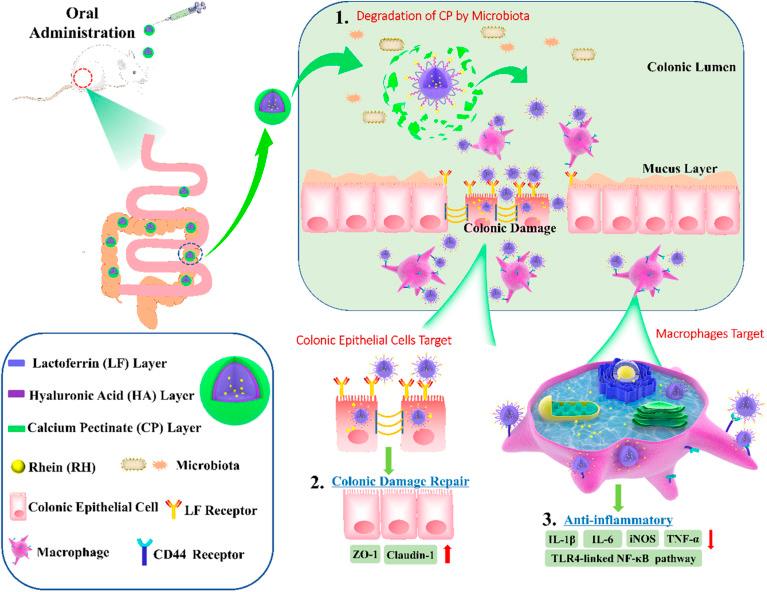
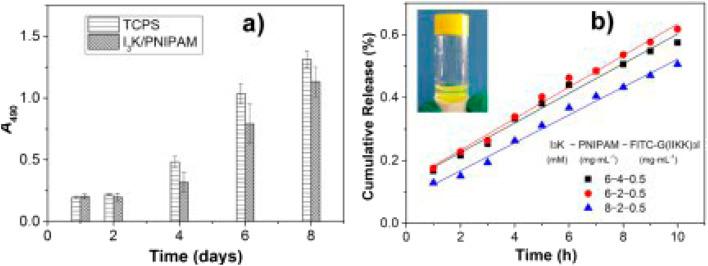
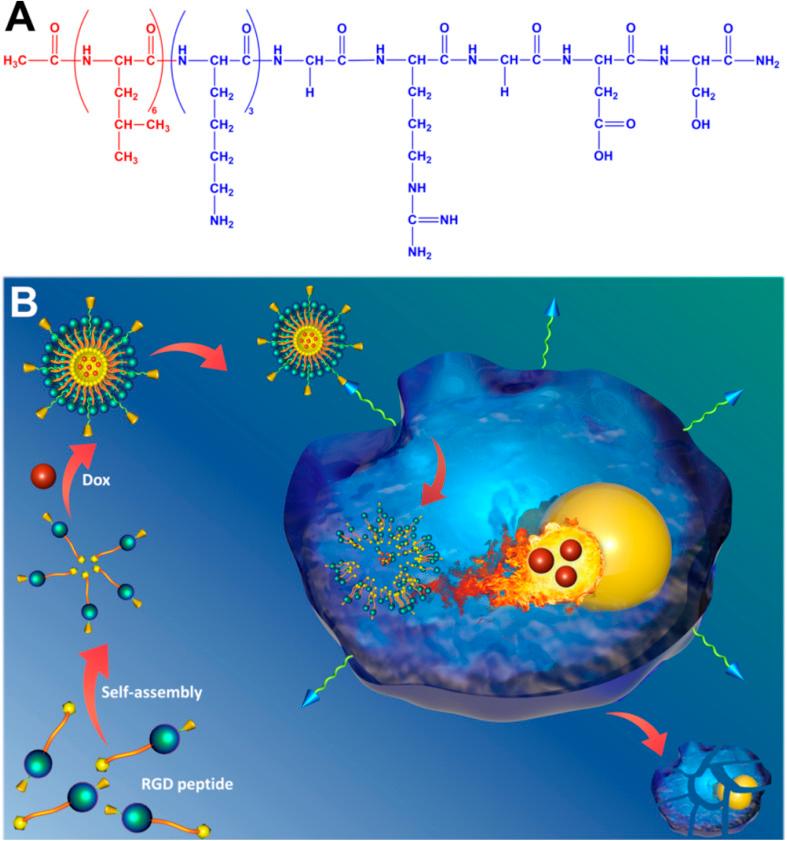
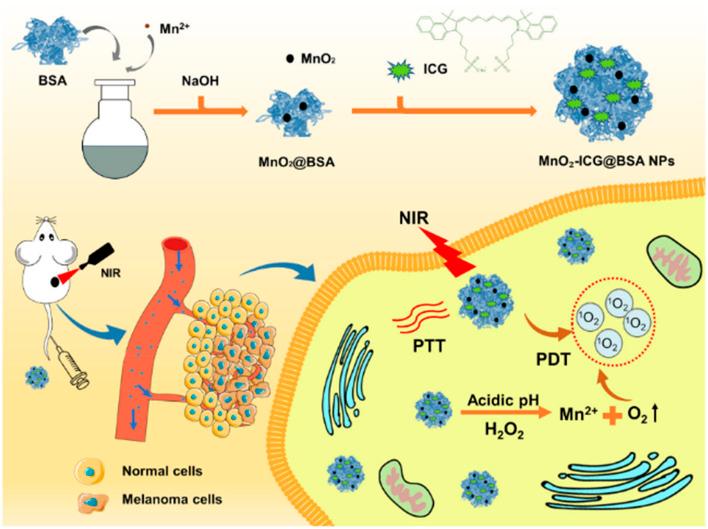
This review discusses the growing potential of protein-based nanoparticles (PBNPs) in antimicrobial and cancer therapies, emphasizing their mechanisms of action, applications, and future prospects. In antimicrobial therapy, PBNPs exhibit several mechanisms of action, including disruption of microbial membranes, enhanced antibiotic delivery, immune modulation, and biofilm disruption. Protein nanoparticles like albumin, lactoferrin, gelatin, and peptide-based variants enhance the efficacy of antibiotics, offering targeted approaches to combat multidrug-resistant pathogens. Their ability to improve drug localization and enhance microbial eradication represents a significant advancement in infectious disease management. In cancer therapy, PBNPs facilitate targeted drug delivery, controlled release, tumor microenvironment modulation, and photothermal and photodynamic therapies. Nanoparticles such as Abraxane® and engineered ferritin nanocages are at the forefront of cancer treatment, enhancing the precision and effectiveness of chemotherapy while minimizing adverse effects. Additionally, silk fibroin nanoparticles are being explored for their biodegradability and targeting capabilities. Despite their promise, challenges remain, including the scalability of production, long-term safety concerns, regulatory approval processes, and environmental impact. Addressing these issues through rigorous research and innovation is crucial for integrating PBNPs into mainstream therapeutic practices. PBNPs offer transformative solutions in both antimicrobial and cancer therapies, with significant implications for improving public health outcomes globally.
本综述讨论了基于蛋白质的纳米颗粒(PBNPs)在抗菌和癌症治疗中日益增长的潜力,重点阐述了它们的作用机制、应用和未来前景。在抗菌治疗中,PBNPs展现出多种作用机制,包括破坏微生物膜、增强抗生素递送、免疫调节和生物膜破坏。像白蛋白、乳铁蛋白、明胶和基于肽的变体等蛋白质纳米颗粒可提高抗生素的疗效,为对抗多重耐药病原体提供了靶向方法。它们改善药物定位和增强微生物根除的能力代表了传染病管理方面的重大进展。在癌症治疗中,PBNPs有助于靶向药物递送、控释、肿瘤微环境调节以及光热和光动力疗法。诸如艾日布林(Abraxane®)和工程化铁蛋白纳米笼等纳米颗粒处于癌症治疗的前沿,提高了化疗的精准度和有效性,同时将副作用降至最低。此外,丝素蛋白纳米颗粒因其生物可降解性和靶向能力正在被探索。尽管它们前景广阔,但挑战依然存在,包括生产的可扩展性、长期安全性问题、监管审批程序以及环境影响。通过严谨的研究和创新来解决这些问题对于将PBNPs整合到主流治疗实践中至关重要。PBNPs在抗菌和癌症治疗中都提供了变革性的解决方案,对改善全球公共卫生结果具有重大意义。








 Zotero 插件