
基于美国肿瘤学家RETRACT调查中观察到的真实世界实践模式,关于治疗激素受体阳性/人表皮生长因子受体2阴性转移性乳腺癌的专家共识。
Expert consensus on treating HR+/HER2- metastatic breast cancer based on real-world practice patterns observed in the RETRACT survey of US oncologists.
作者信息
Rugo Hope S, Bardia Aditya, Gradishar William J, Hamilton Erika P, Hurvitz Sara A, Jhaveri Komal, Mahtani Reshma, Tolaney Sara M
机构信息
University of California San Francisco Helen Diller Family Comprehensive Cancer Center, San Francisco, CA, USA.
UCLA Health Jonsson Comprehensive Cancer Center, Los Angeles, CA, USA.
出版信息
Breast. 2025 May 3;82:104485. doi: 10.1016/j.breast.2025.104485.
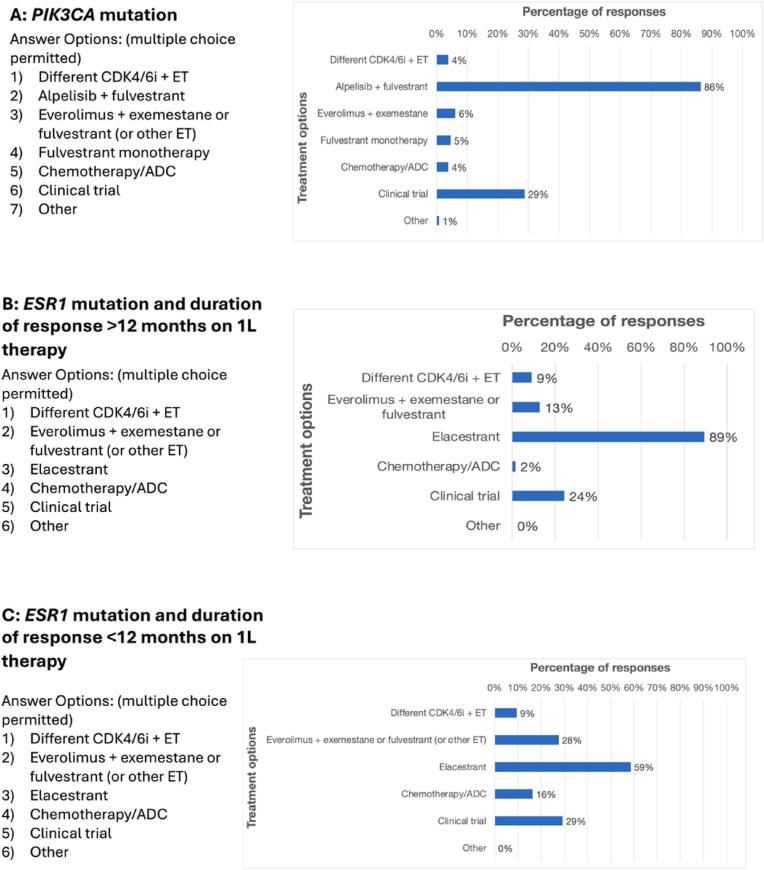
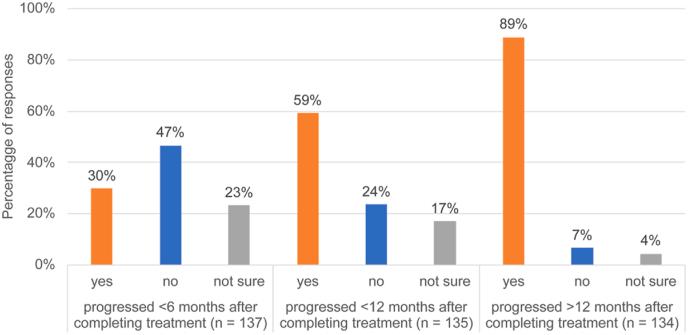
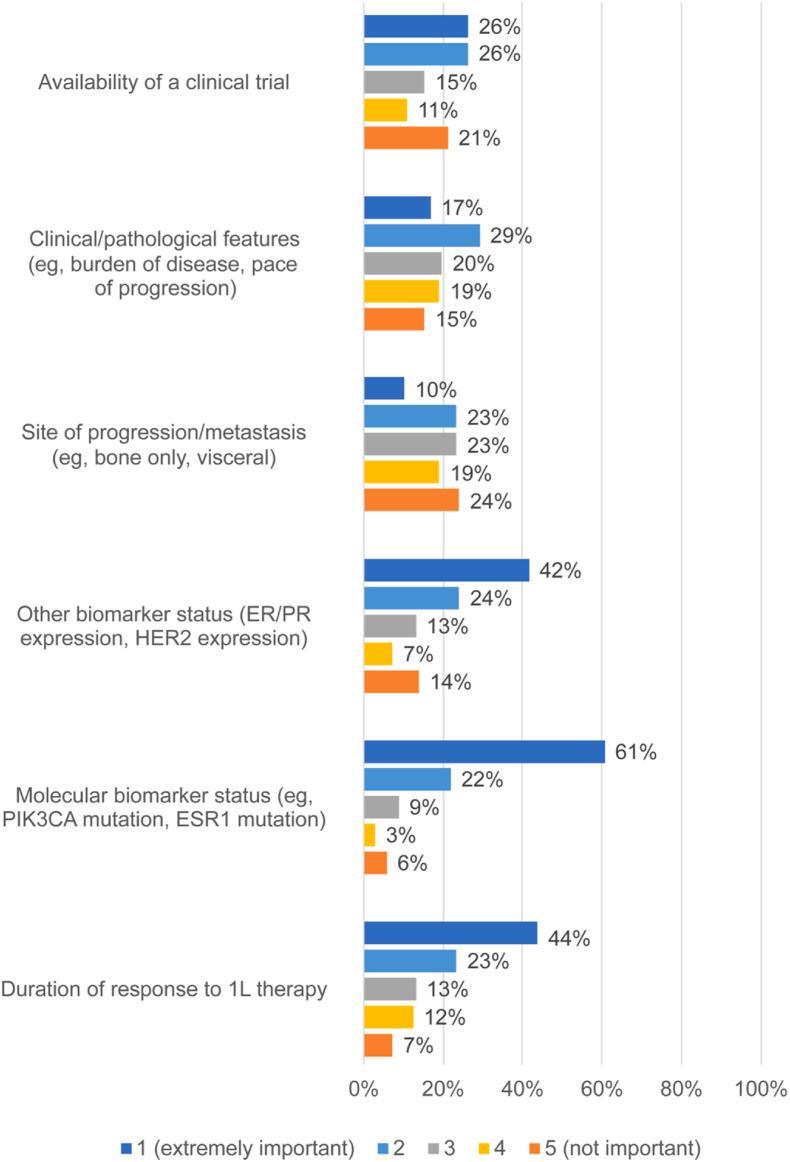
Hormone receptor-positive, HER2-negative metastatic breast cancer (HR+/HER2-mBC) is incurable, but recent progress has been made in developing new treatment options and the treatment landscape is rapidly shifting. There are published recommendations for treatment choices and sequencing to help guide oncologists in treating HR+/HER2-mBC, but little evidence has been published regarding real-world practice patterns. The REal-world TReatment patterns And Considerations of Toxicity in HR+/HER2-mBC (RETRACT) survey was designed to evaluate real-world practice patterns in the testing and management of this disease by US oncologists. The survey questions were answered via an online platform and the data were anonymized before analysis. A total of 150 oncologists practicing at academic and community centers completed the survey. The results showed this sample of oncologists largely followed recommended best practices for testing biomarkers, selecting treatments, and managing adverse events. However, several items did show substantial minorities of oncologists not in alignment with recommendations in areas including the definition and treatment of visceral crisis, ideal treatment for patients with endocrine resistance, the routine use of next-generation sequencing for biomarker testing, and the use of prophylactic measures for treatment-related adverse events in patients receiving alpelisib.
激素受体阳性、人表皮生长因子受体2阴性的转移性乳腺癌(HR+/HER2-mBC)无法治愈,但在开发新的治疗方案方面最近取得了进展,治疗格局正在迅速变化。对于治疗选择和治疗顺序已有公开的建议,以帮助肿瘤学家治疗HR+/HER2-mBC,但关于实际临床实践模式的证据发表较少。HR+/HER2-mBC的真实世界治疗模式及毒性考量(RETRACT)调查旨在评估美国肿瘤学家对该疾病进行检测和管理的实际临床实践模式。调查问题通过在线平台回答,数据在分析前进行了匿名处理。共有150名在学术和社区中心执业的肿瘤学家完成了调查。结果显示,该肿瘤学家样本在很大程度上遵循了检测生物标志物、选择治疗方法和管理不良事件的推荐最佳实践。然而,在一些项目上,确实有相当比例的肿瘤学家未遵循相关建议,这些领域包括内脏危机的定义和治疗、内分泌抵抗患者的理想治疗、生物标志物检测中下一代测序的常规使用,以及接受阿哌利西布治疗的患者治疗相关不良事件的预防措施的使用。

 Zotero 插件