
不同姜黄素浓度对人牙周膜成纤维细胞在牙周病变牙根表面黏附及增殖的影响:体外研究
Effects of different curcumin concentrations on human periodontal ligament fibroblast adhesion and proliferation on periodontally involved root surfaces: In-vitro study.
作者信息
Farag Amina Fouad, Yassin Hala H, Gamal Ahmed Y, El Badawi Noorhan, Abdalwahab Mahetab M
机构信息
Department of Oral and Maxillofacial Pathology, Faculty of Dentistry, October 6 University, Giza, Egypt.
Department of Oral Medicine, Periodontology, Oral Diagnosis and Oral Radiology, College of Dentistry at Arab Academy for Science and Technology and Maritime Transport AASTMT, New Alamein, Alexandria, Egypt.
出版信息
J Oral Biol Craniofac Res. 2025 Jul-Aug;15(4):729-736. doi: 10.1016/j.jobcr.2025.04.006. Epub 2025 Apr 28.
INTRODUCTION
Periodontopathic endotoxins infiltrate root surface and prevent cellular adhesion to tooth surfaces. Naturally occurring curcumin has anti-inflammatory, antioxidant and antibacterial qualities that promote fast wound healing by increasing fibroblast cell proliferation and migration in concentration-dependent manner.
OBJECTIVES
This study was conducted to evaluate the effect of 0.12 %, 1 % and 2 % curcumin concentrations on PDL cell adhesion, viability and proliferation to periodontally affected root surfaces.
MATERIALS AND METHODS
20 periodontally affected teeth sectioned into root samples were included. PDL fibroblasts were collected from freshly extracted teeth, cultured and expanded. PDL fibroblast (1 × 10 cells/ml) was seeded on curcumin coated root samples in different concentrations. Study samples were divided into 4 groups: G1 (0.12 % of curcumin paste), G2 (1 % curcumin paste), G3 (2 % curcumin paste) and G4 (control/unconditioned group). All samples were investigated by SEM and MTT assay.
RESULTS
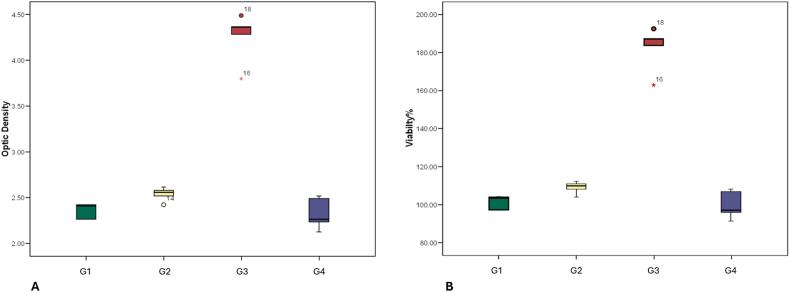
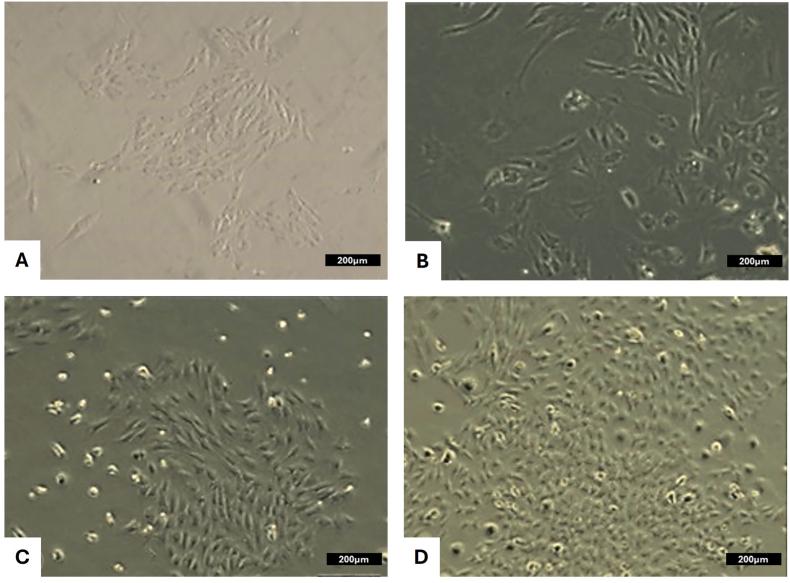
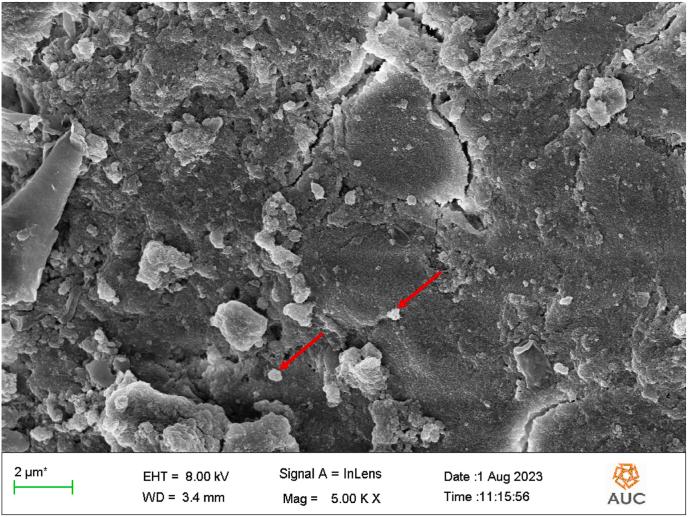
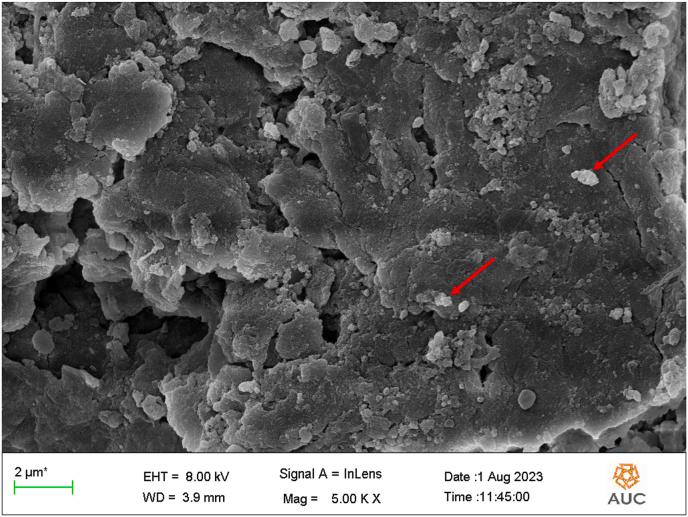
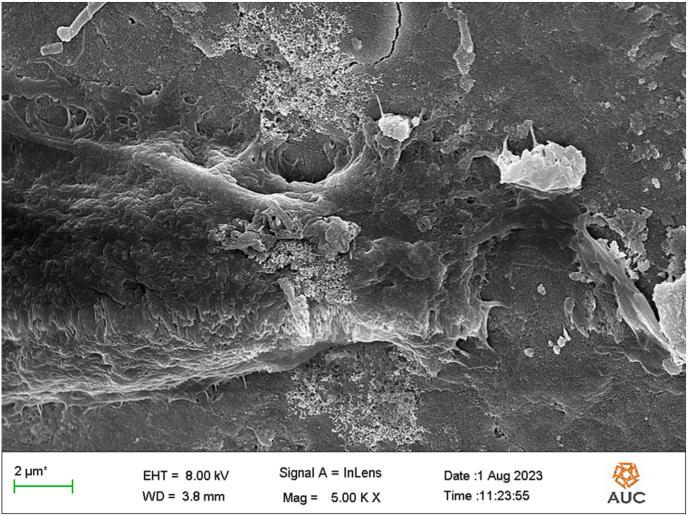
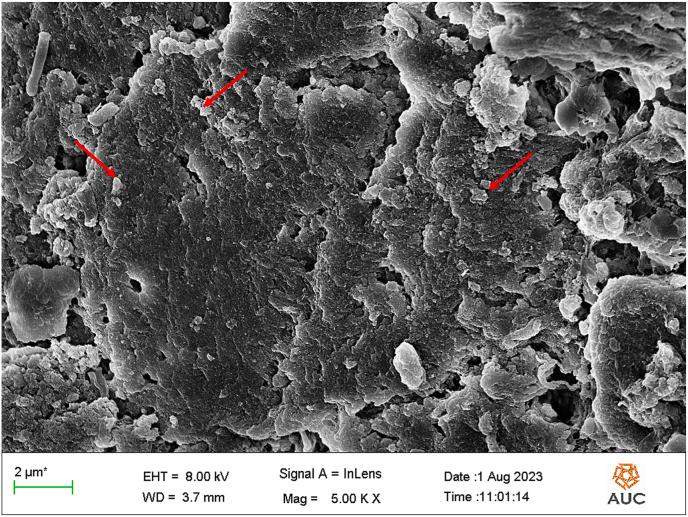
G3 showed highest viability and cell proliferation compared to other groups where well defined multilayered adherent cells covering entire surface with totally flat polyhedral bodies with long cytoplasmic extensions and little or no bacterial colonization.
CONCLUSION
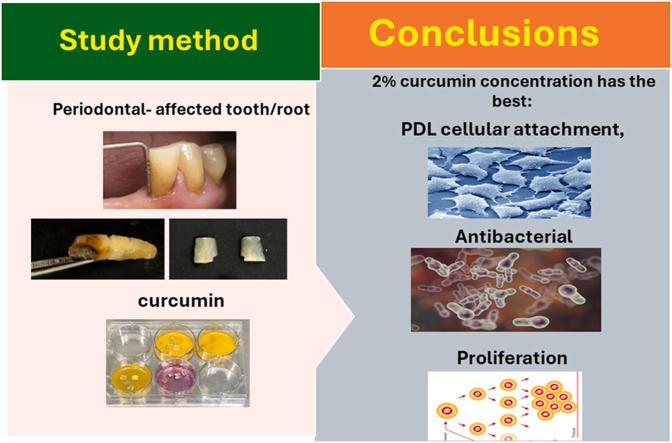
Curcumin 2 % provides optimal stimulation of cellular attachment, viability, proliferation and antibacterial effects over periodontitis affected root surfaces.
CLINICAL RELEVANCE
Determination of optimal curcumin concentration in this study revealed 2 % concentration produced highest levels of PDL cellular attachment, viability, proliferation and antibacterial action over root surfaces afflicted by periodontitis. Therefore, the use of that optimal curcumin concentration as adjunctive to non-surgical periodontal therapy may modify the periodontal pocket ecology to improve the healing of periodontal tissues.
引言
牙周病内毒素渗入牙根表面并阻止细胞黏附于牙面。天然存在的姜黄素具有抗炎、抗氧化和抗菌特性,可通过以浓度依赖方式增加成纤维细胞增殖和迁移来促进伤口快速愈合。
目的
本研究旨在评估0.12%、1%和2%姜黄素浓度对牙周炎患牙根表面牙周膜细胞黏附、活力和增殖的影响。
材料与方法
纳入20颗经牙周病影响的牙齿,将其切成牙根样本。从新鲜拔除的牙齿中收集牙周膜成纤维细胞,进行培养和扩增。将牙周膜成纤维细胞(1×10个细胞/毫升)接种于不同浓度姜黄素包被的牙根样本上。研究样本分为4组:G1(0.12%姜黄素糊剂)、G2(1%姜黄素糊剂)、G3(2%姜黄素糊剂)和G4(对照组/未处理组)。所有样本均通过扫描电子显微镜(SEM)和噻唑蓝(MTT)比色法进行检测。
结果
与其他组相比,G3组显示出最高的活力和细胞增殖,其中有明确界定的多层贴壁细胞覆盖整个表面,细胞呈完全扁平的多面体,有长的细胞质突起,且几乎没有细菌定植。
结论
2%姜黄素对牙周炎患牙根表面的细胞黏附、活力、增殖和抗菌作用具有最佳刺激效果。
临床意义
本研究中最佳姜黄素浓度的测定表明,2%浓度在牙周炎患牙根表面产生了最高水平的牙周膜细胞黏附、活力、增殖和抗菌作用。因此,将该最佳姜黄素浓度作为非手术牙周治疗的辅助手段,可能会改变牙周袋生态,以促进牙周组织的愈合。
 Zotero 插件