
小儿脑肿瘤的分子基础:一项具有临床意义的综述
The Molecular Basis of Pediatric Brain Tumors: A Review with Clinical Implications.
作者信息
Antoniades Elias, Keffes Nikolaos, Vorri Stamatia, Tsitouras Vassilios, Gkantsinikoudis Nikolaos, Tsitsopoulos Parmenion, Magras John
机构信息
Second Department of Neurosurgery, Aristotle University School of Medicine, 546 36 Thessaloniki, Greece.
New York City Health and Hospital-Jacobi Medical Center Department of Pediatrics, Albert Einstein College of Medicine, Bronx, NY 10461, USA.
出版信息
Cancers (Basel). 2025 May 4;17(9):1566. doi: 10.3390/cancers17091566.
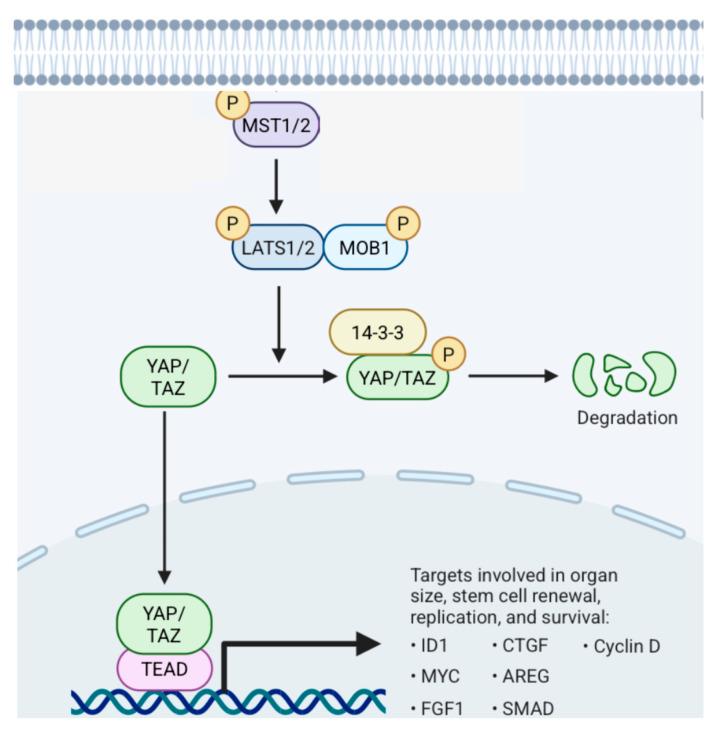
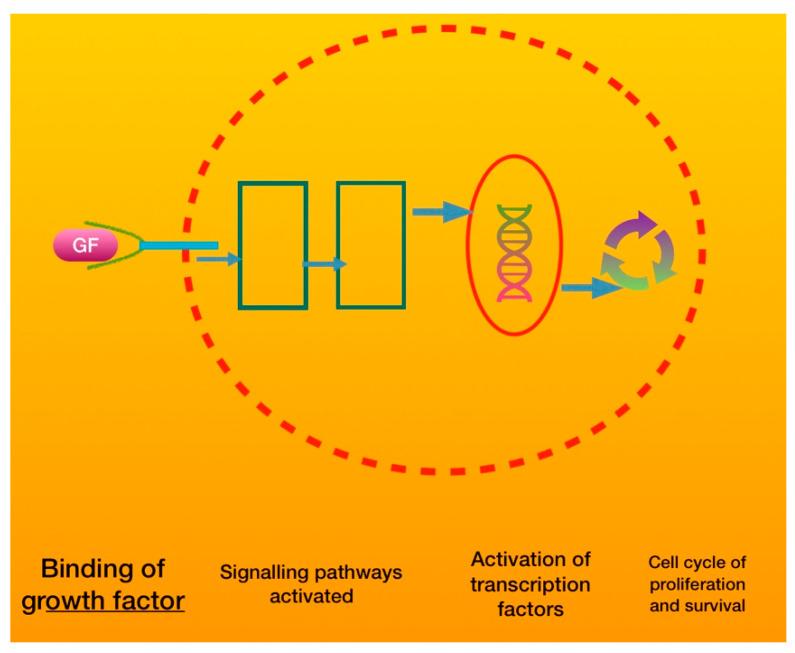
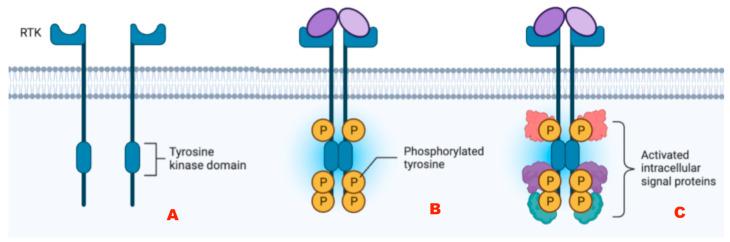
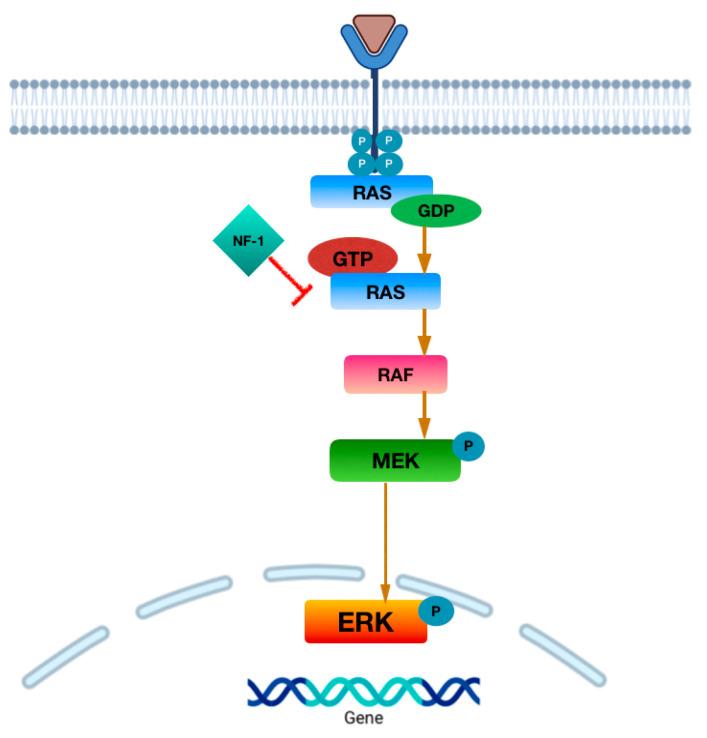
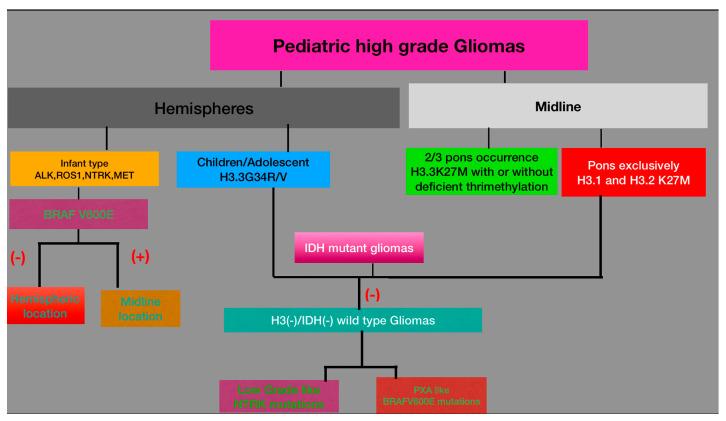
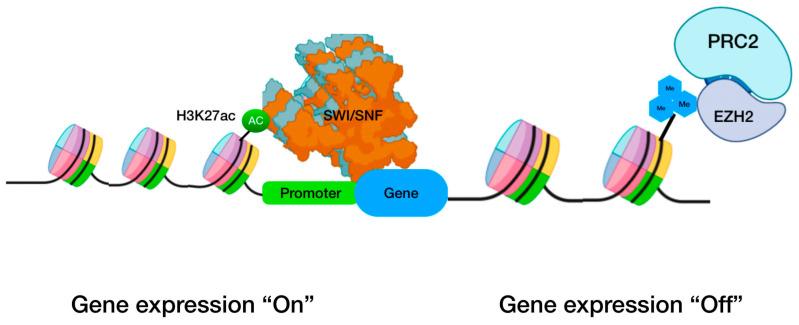
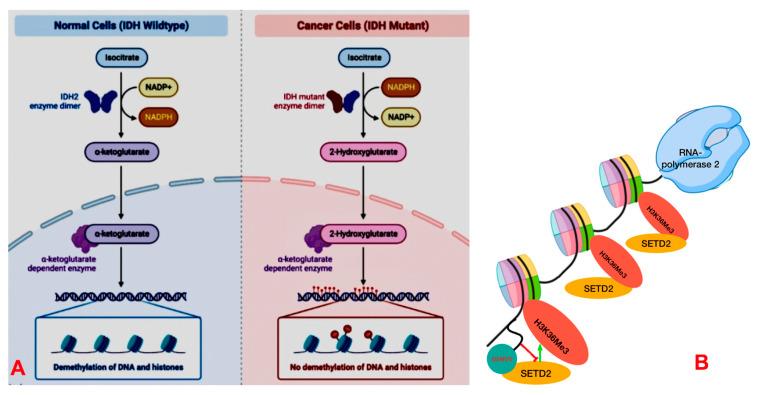
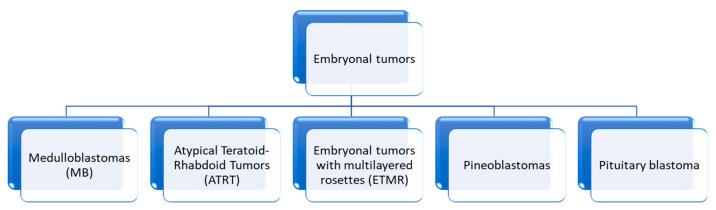
Central nervous system (CNS) tumors are the most common solid malignancy in the pediatric population. These lesions are the result of the aberrant cell signaling step proteins, which normally regulate cell proliferation. Mitogen-activated protein kinase (MAPK) pathways and tyrosine kinase receptors are involved in tumorigenesis of low-grade gliomas. High-grade gliomas may carry similar mutations, but loss of epigenetic control is the dominant molecular event; it can occur either due to histone mutations or inappropriate binding or unbinding of DNA on histones. Therefore, despite the absence of genetic alteration in the classic oncogenes or tumor suppressor genes, uncontrolled transcription results in tumorigenesis. Isocitric dehydrogenase (IDH) mutations do not predominate compared to their adult counterpart. Embryonic tumors include medulloblastomas, which bear mutations of transcription-regulating pathways, such as wingless-related integration sites or sonic hedgehog pathways. They may also relate to high expression of family genes. Atypical teratoid rhabdoid tumors harbor alterations of molecules that contribute to ATP hydrolysis of chromatin. Embryonic tumors with multilayered rosettes are associated with microRNA mutations and impaired translation. Ependymomas exhibit great variability. As far as supratentorial lesions are concerned, the major events are mutations either of NFkB or Hippo pathways. Posterior fossa tumors are further divided into two types with different prognoses. Type A group is associated with mutations of DNA damage repair molecules. Lastly, germ cell tumors are a heterogeneous group. Among them, germinomas manifest KIT receptor mutations, a subgroup of the tyrosine kinase receptor family.
中枢神经系统(CNS)肿瘤是儿童群体中最常见的实体恶性肿瘤。这些病变是异常细胞信号传导步骤蛋白的结果,这些蛋白通常调节细胞增殖。丝裂原活化蛋白激酶(MAPK)途径和酪氨酸激酶受体参与低级别胶质瘤的肿瘤发生。高级别胶质瘤可能携带类似的突变,但表观遗传控制的丧失是主要的分子事件;它可能由于组蛋白突变或DNA在组蛋白上的不适当结合或解离而发生。因此,尽管经典癌基因或肿瘤抑制基因中没有基因改变,但不受控制的转录会导致肿瘤发生。与成人相比,异柠檬酸脱氢酶(IDH)突变并不占主导地位。胚胎性肿瘤包括髓母细胞瘤,其具有转录调节途径的突变,如无翅相关整合位点或音猬因子途径。它们也可能与家族基因的高表达有关。非典型畸胎样横纹肌样肿瘤存在有助于染色质ATP水解的分子改变。具有多层玫瑰花结的胚胎性肿瘤与微小RNA突变和翻译受损有关。室管膜瘤表现出很大的变异性。就幕上病变而言,主要事件是NFkB或Hippo途径的突变。后颅窝肿瘤进一步分为预后不同的两种类型。A组与DNA损伤修复分子的突变有关。最后,生殖细胞肿瘤是一个异质性群体。其中,生殖细胞瘤表现出KIT受体突变,KIT受体是酪氨酸激酶受体家族的一个亚组。










 Zotero 插件