
探索抑郁症、炎症生物标志物与动脉粥样硬化性冠状动脉疾病之间的联系。
Exploring the Connection Between Depression, Inflammatory Biomarkers, and Atherosclerotic Coronary Artery Disease.
作者信息
Rus Marius, Sava Cristian Nicolae, Ardelean Adriana Ioana, Pasca Georgeta, Andronie-Cioara Felicia Liana, Crisan Simina, Judea Pusta Claudia Teodora, Guler Madalina Ioana
机构信息
Department of Medical Disciplines, Faculty of Medicine and Pharmacy, University of Oradea, 410073 Oradea, Romania.
Cardiology Department, Bihor Clinical Emergency Hospital, 410169 Oradea, Romania.
出版信息
J Clin Med. 2025 Apr 24;14(9):2946. doi: 10.3390/jcm14092946.
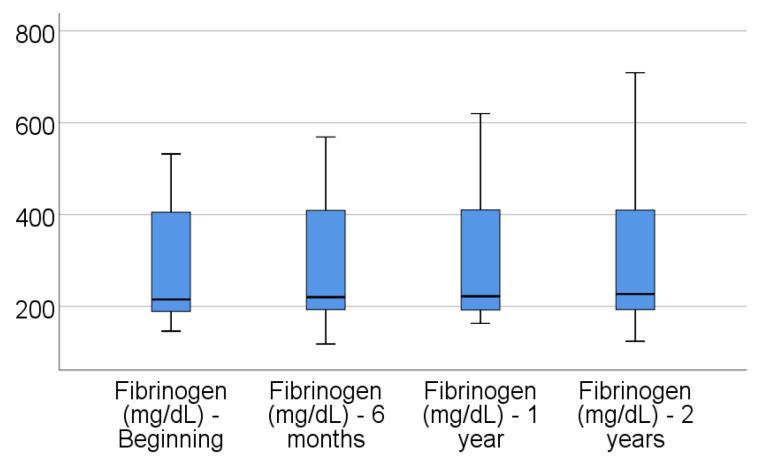
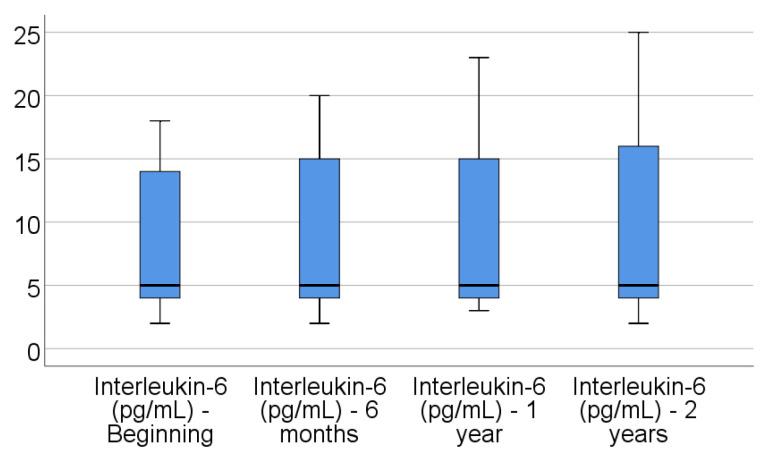
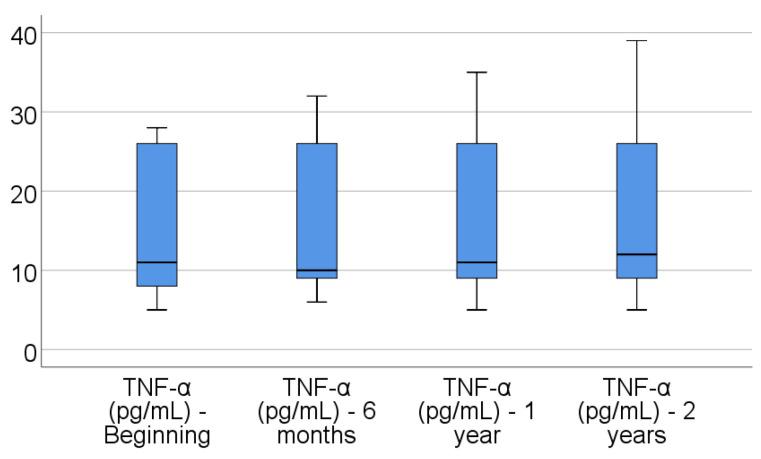
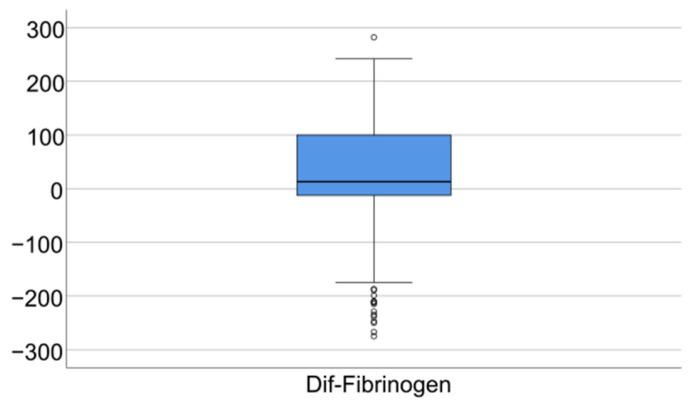
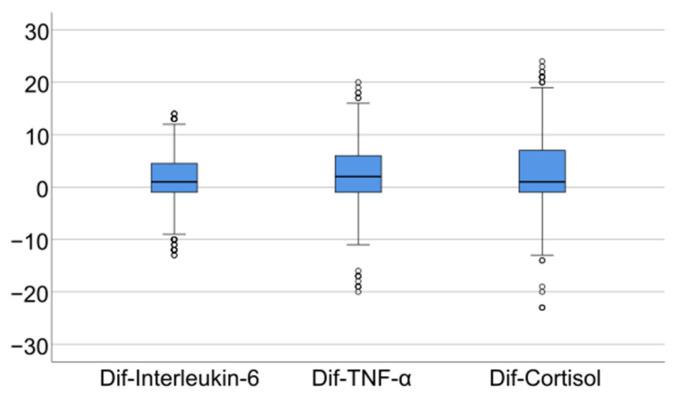
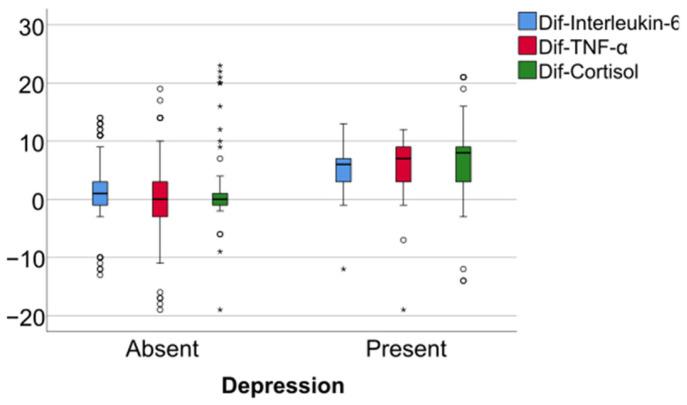
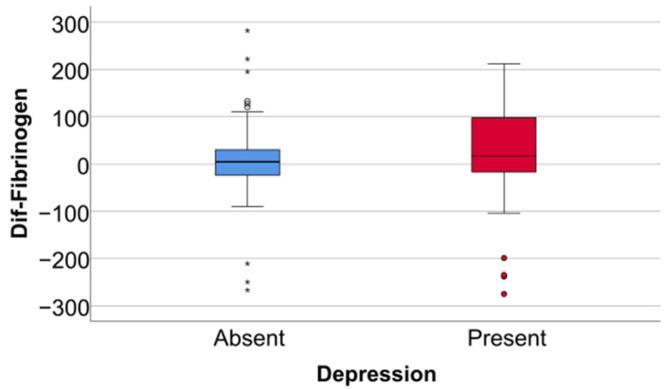
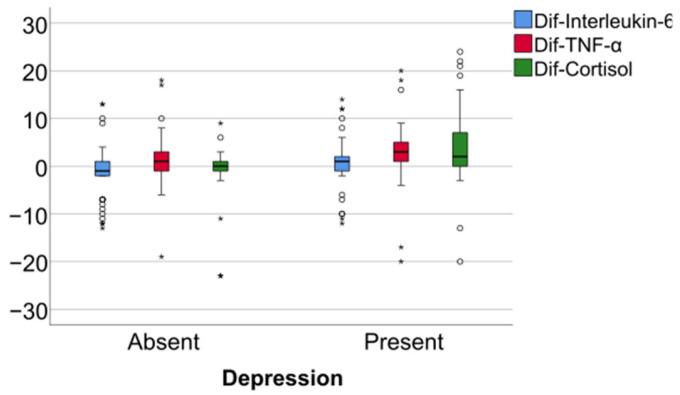
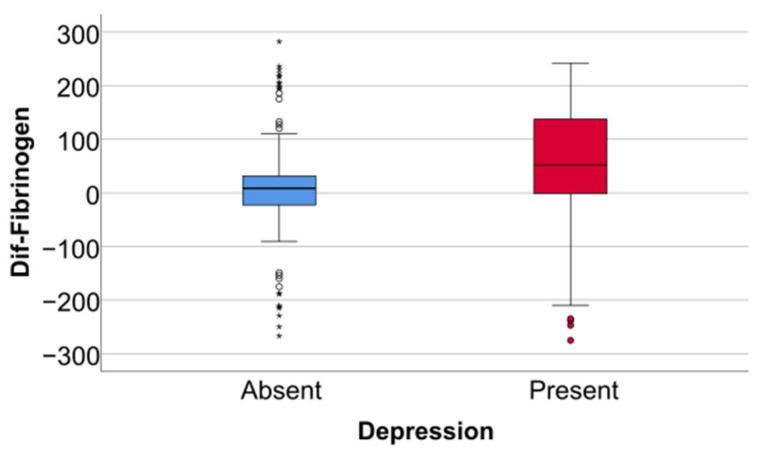
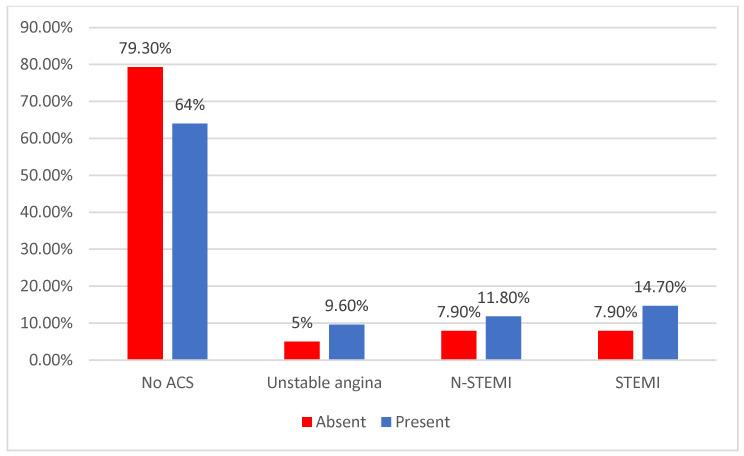
Depression is associated with an increased risk for the development and progression of cardiovascular disease. This research investigated the association between depressive symptoms and inflammation in the development of atherosclerotic coronary events. This retrospective observational study included 276 patients who were not previously diagnosed with atherosclerotic coronary artery disease at the beginning of the research. Participants were categorized using the Hamilton Depression Rating Scale (HDRS) and the Structured Clinical Interview for DSM-5 (SCID) into two groups: the depression group and the control group. Inflammatory biomarkers (C-reactive protein (CRP), fibrinogen, interleukin-6 (IL-6), tumor necrosis factor-α (TNF-α), and cortisol) were measured at the beginning of the study, as well as at six months, one year, and two years. Among patients with mild depression (17.3% vs. 4.2%) or moderate depression (15.4% vs. 6.7%), there were significantly more men than women, while among patients with very severe depression, there were significantly more women than men (21.7% vs. 11.5%). Participants with depression showed significantly higher increases at 2 years compared to baseline for all investigated parameters ( < 0.001). Depressed patients were significantly associated with an acute coronary syndrome ( = 0.038). : This research highlights that individuals with depression face a greater risk of developing an acute coronary syndrome than those without depression.
抑郁症与心血管疾病发生和进展风险增加有关。本研究调查了抑郁症状与动脉粥样硬化性冠状动脉事件发生过程中炎症之间的关联。这项回顾性观察性研究纳入了276名在研究开始时未被诊断患有动脉粥样硬化性冠状动脉疾病的患者。参与者使用汉密尔顿抑郁量表(HDRS)和《精神疾病诊断与统计手册》第5版结构化临床访谈(SCID)分为两组:抑郁组和对照组。在研究开始时以及6个月、1年和2年时测量炎症生物标志物(C反应蛋白(CRP)、纤维蛋白原、白细胞介素-6(IL-6)、肿瘤坏死因子-α(TNF-α)和皮质醇)。在轻度抑郁患者(17.3%对4.2%)或中度抑郁患者(15.4%对6.7%)中,男性显著多于女性,而在极重度抑郁患者中,女性显著多于男性(21.7%对11.5%)。与基线相比,抑郁参与者在2年时所有研究参数的升高均显著更高(<0.001)。抑郁患者与急性冠状动脉综合征显著相关(=0.038)。结论:本研究强调,与无抑郁症的个体相比,抑郁症患者发生急性冠状动脉综合征的风险更高。









 Zotero 插件