
多方面研究氰戊菊酯对洋葱的毒性作用
Multifaceted investigation of esfenvalerate-induced toxicity on Allium cepa L.
作者信息
Sarsar Onur, Macar Oksal, Kalefetoğlu Macar Tuğçe, Çavuşoğlu Kültiğin, Yalçın Emine, Acar Ali
机构信息
Department of Biology Giresun, Faculty of Science and Art, Giresun University, Giresun, Turkey.
Department of Food Technology, Şebinkarahisar School of Applied Sciences, Giresun University, Giresun, Turkey.
出版信息
Sci Rep. 2025 May 15;15(1):16977. doi: 10.1038/s41598-025-01638-3.
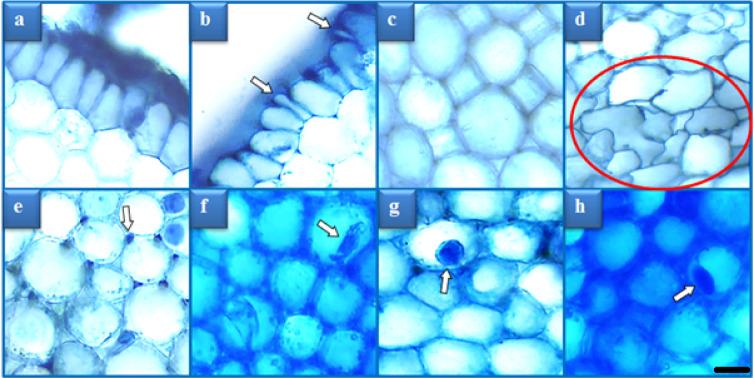
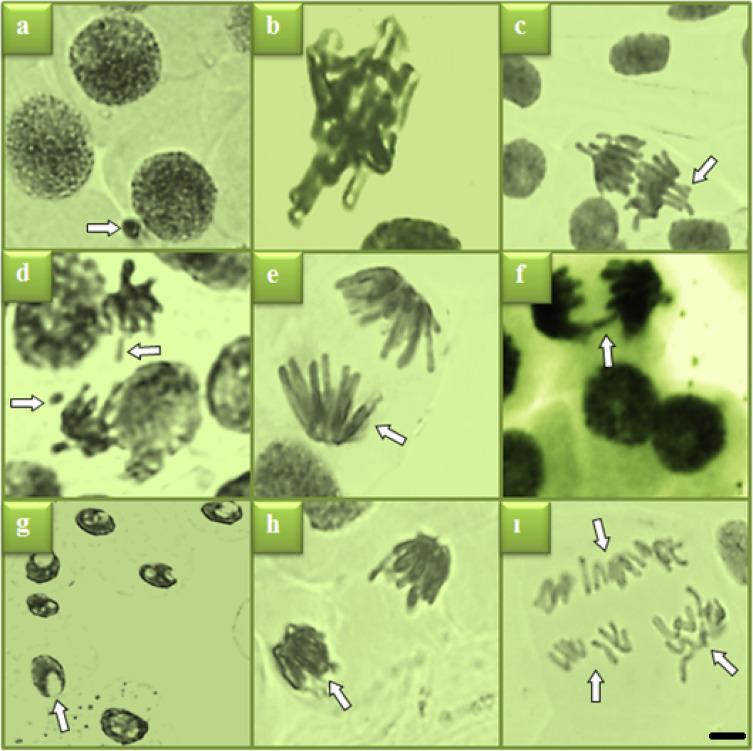
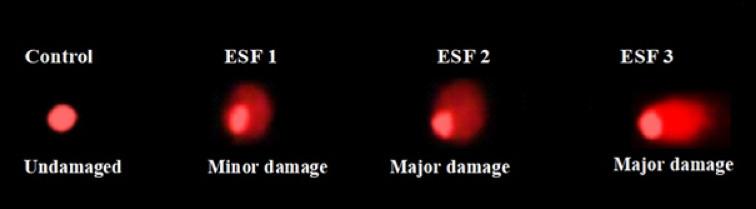
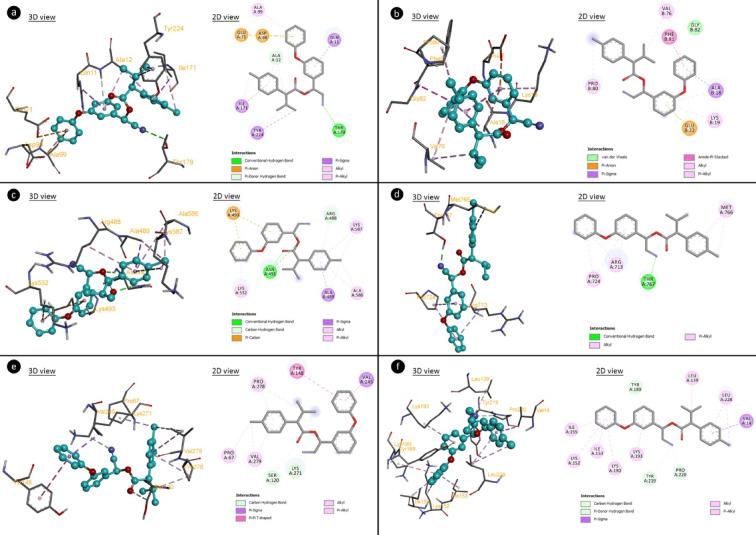
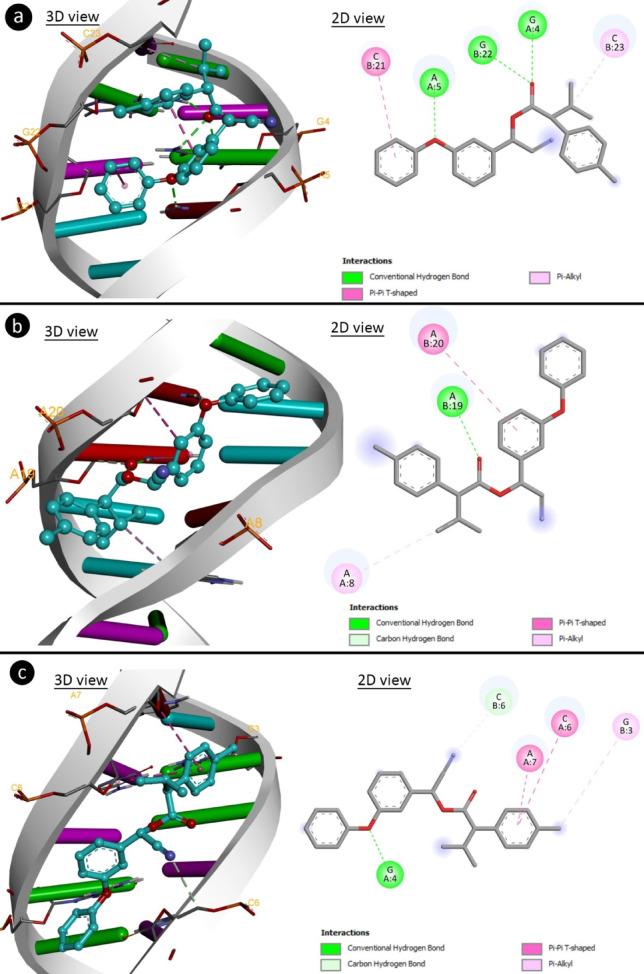
The objective of this study was to assess the toxicity of the insecticide esfenvalerate in Allium cepa, employing a multifaceted methodology. For this purpose, A. cepa bulbs were organized into four groups, one of which served as the control. The control group was exposed to tap water, while the remaining three groups were exposed to esfenvalerate at concentrations of 0.33 mg/L, 0.64 mg/L and 0.98 mg/L, respectively. The application of the highest dose of 0.98 mg/L esfenvalerate resulted in a significant decrease in physiological parameters, including a 51% reduction in rooting percentage, an 85.3% decrease in root elongation, and a 54.3% decrease in weight gain (p < 0.05). In the esfenvalerate-treated group (0.98 mg/L), a 45.7% decrease in mitotic index was observed, while a significant increase in chromosomal aberrations and micronucleus formation was observed compared to the control group (p < 0.05). The most frequently observed chromosomal abnormalities due to esfenvalerate were sticky chromosome, vagrant chromosome, fragment, unequal distribution of chromatin, bridge, vacuolated nucleus, reverse polarization and multipolar anaphase. Insecticide application could significantly increase the percentage of DNA tails up to 48.3%, as determined by the Comet test (p < 0.05). Exposure to 0.98 mg/L esfenvalerate increased malondialdehyde level (2.75-fold), proline level (1.96-fold), superoxide dismutase activity (1.35-fold), and catalase activity (1.69-fold) while reducing chlorophyll a level (58.18%) and chlorophyll b level (70.35%) (p < 0.05). Molecular docking analysis revealed that esfenvalerate can interact with tubulins, DNA topoisomerases, glutamate-1-semialdehyde aminotransferase, protochlorophyllide reductase and DNA molecules. Epidermis and cortex cell damages, cortex cell wall thickening, material accumulation in cortex cells and flattened cell nucleus were recorded as meristematic cell damages due to esfenvalerate. The toxicological profile of esfenvalerate on A. cepa exhibited dose dependence. While esfenvalerate-induced oxidative stress is the most probable cause of toxicity, direct interaction with DNA and other molecules that play a crucial role in maintaining cell integrity may also be among the mechanisms of toxicity. The study's findings emphasize that esfenvalerate poses a risk to non-target organisms, underscoring the need for a reassessment of its regulations and further research into its toxicity.
本研究的目的是采用多方面的方法评估杀虫剂乙氰菊酯对洋葱的毒性。为此,将洋葱鳞茎分为四组,其中一组作为对照组。对照组暴露于自来水中,其余三组分别暴露于浓度为0.33毫克/升、0.64毫克/升和0.98毫克/升的乙氰菊酯中。施用最高剂量0.98毫克/升的乙氰菊酯导致生理参数显著下降,包括生根率降低51%、根伸长降低85.3%、重量增加降低54.3%(p<0.05)。在乙氰菊酯处理组(0.98毫克/升)中,有丝分裂指数降低了45.7%,而与对照组相比,染色体畸变和微核形成显著增加(p<0.05)。乙氰菊酯导致的最常见染色体异常是染色体粘连、游移染色体、片段、染色质分布不均、桥、核空泡化、反向极化和多极后期。通过彗星试验测定,施用杀虫剂可使DNA拖尾百分比显著增加至48.3%(p<0.05)。暴露于0.98毫克/升的乙氰菊酯会使丙二醛水平增加(2.75倍)、脯氨酸水平增加(1.96倍)、超氧化物歧化酶活性增加(1.35倍)和过氧化氢酶活性增加(1.69倍),同时叶绿素a水平降低(58.18%)和叶绿素b水平降低(70.35%)(p<0.05)。分子对接分析表明,乙氰菊酯可与微管蛋白、DNA拓扑异构酶、谷氨酸-1-半醛转氨酶、原叶绿素酸还原酶和DNA分子相互作用。记录到表皮和皮层细胞损伤、皮层细胞壁增厚、皮层细胞内物质积累以及细胞核扁平,这些都是乙氰菊酯导致的分生组织细胞损伤。乙氰菊酯对洋葱的毒理学特征呈现剂量依赖性。虽然乙氰菊酯诱导的氧化应激最可能是毒性的原因,但与DNA和其他在维持细胞完整性中起关键作用的分子直接相互作用也可能是毒性机制之一。该研究结果强调,乙氰菊酯对非靶标生物构成风险,凸显了重新评估其监管规定并进一步研究其毒性的必要性。
 Zotero 插件