
非洲大湖坦桑尼亚沿岸人为垃圾的数量及特征:包括志愿者参与、宣传推广以及采用整体方法让利益相关者参与其中。
Abundance and characteristics of anthropogenic litter along the Tanzanian shores of the African Great Lakes: including volunteer involvement, outreach, and stakeholder engagement in a holistic approach.
作者信息
Mayoma Bahati S, Yusuph Mamlo A, Sailas Hellena, Emanuel Zagalo, Lukanga Editrudith, Kitogo Lawrence, Edson Adventina A, Simbila Deogratius, Mugema Arthur, Matonya Paul, Kasenene Fanuel, Sørensen Christina, Sparks Conrad, Khan Farhan R
机构信息
School of Aquatic Sciences and Fisheries Technology, University of Dar Es Salaam, P.O Box 60091, Dar Es Salaam, Tanzania.
Centre for Sustainable Oceans, Faculty of Applied Sciences, Cape Peninsula University of Technology District Six Campus, Cape Town, South Africa.
出版信息
Environ Sci Pollut Res Int. 2025 May;32(23):14127-14141. doi: 10.1007/s11356-025-36528-8. Epub 2025 May 20.
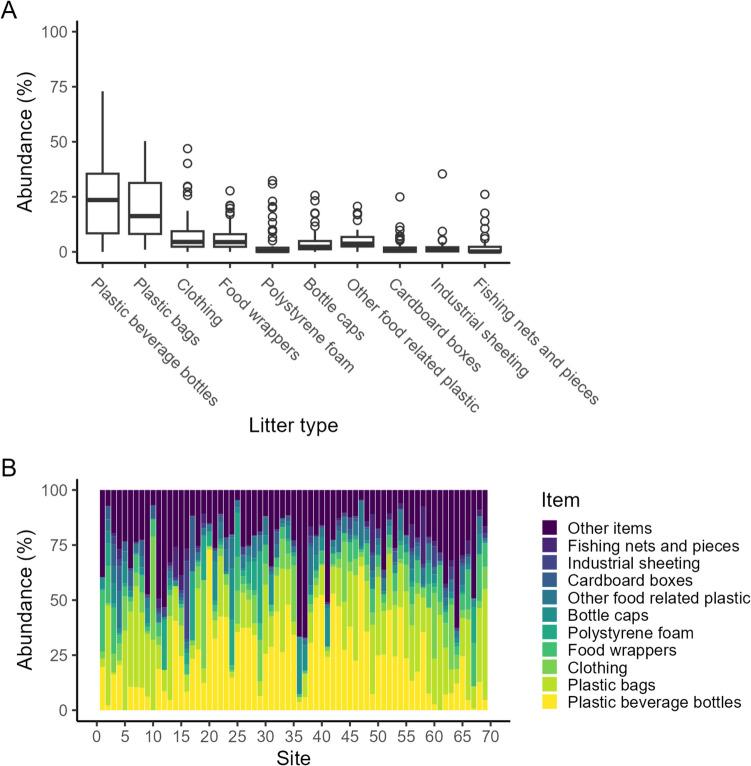
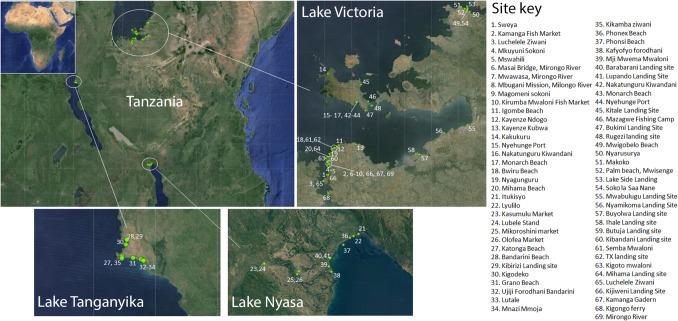
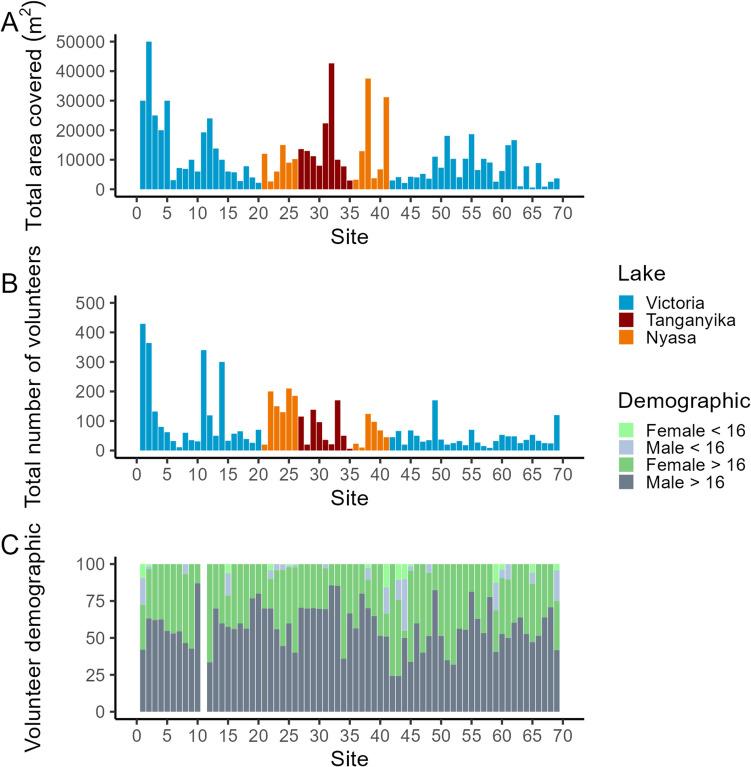
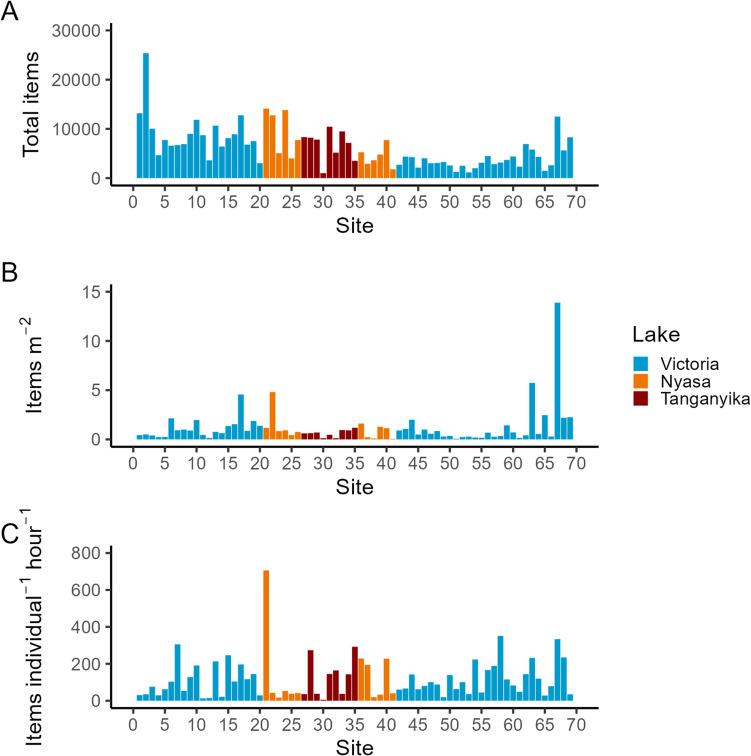
Environmental pollution due to mismanaged anthropogenic litter is one of the most pressing issues facing the world today. To reduce existing environmental burdens of litter, clean-up events have increased in popularity. Here, we report on the results of the Clean Shores, Great Lakes project, in which we conducted 69 volunteer-based clean-ups along the Tanzanian shorelines of the African Great Lakes (Victoria, Tanganyika, and Nyasa (also known as Lake Malawi)). A total of 5483 volunteers engaged with the project across all clean-up sites, collecting 431,328 pieces (25,981 kg) of anthropogenic litter. Expressing the data as normalized to area (items m) or effort (items individual h) revealed that the interpretation of a polluted site varies with units, highlighting the need for consistency in the field. Litter density varied from 0.06 to 13.89 items m and 5.2-706 items individual h. Plastics were the major litter type constituting 75% of all litter (mean = 74.2 ± 12.5% across all sites), while clothing (10.9 ± 9.5%) and fishing gear (3.7 ± 5.2%) were also prevalent. Two items constituted > 40% of all collected litter, namely plastic beverage bottles (average 23.7 ± 17.1%, range 0-72.9%) and plastic bags (average 19.7 ± 13.2%, range 1-50.3%). Prioritizing intervention measures on these two items could reduce litter leakage significantly. Furthermore, a holistic approach was undertaken through voluntary engagement, citizen science involvement, stakeholder dissemination, and school visits to increase public awareness. Clean-up data when disseminated to relevant policymakers and stakeholders can motivate activity for the environmental management of anthropogenic litter and plastic pollution.
人为垃圾管理不善造成的环境污染是当今世界面临的最紧迫问题之一。为了减轻现有的垃圾环境负担,清理活动越来越受欢迎。在此,我们报告“清洁海岸,大湖项目”的结果,在该项目中,我们沿着非洲大湖(维多利亚湖、坦噶尼喀湖和尼亚萨湖(也称为马拉维湖))的坦桑尼亚海岸线进行了69次基于志愿者的清理活动。共有5483名志愿者参与了所有清理地点的项目,收集了431328件(25981千克)人为垃圾。将数据按面积归一化(件/平方米)或工作量归一化(件/人·小时)显示,对污染场地的解释因单位而异,突出了实地工作中保持一致性的必要性。垃圾密度从0.06件/平方米到13.89件/平方米,以及5.2件/人·小时到706件/人·小时不等。塑料是主要的垃圾类型,占所有垃圾的75%(所有地点的平均值为74.2±12.5%),而衣物(10.9±9.5%)和渔具(3.7±5.2%)也很常见。两种物品占所有收集垃圾的比例超过40%,即塑料饮料瓶(平均23.7±17.1%,范围为0 - 72.9%)和塑料袋(平均19.7±13.2%,范围为1 - 50.3%)。对这两种物品优先采取干预措施可以显著减少垃圾泄漏。此外,通过自愿参与、公民科学参与、利益相关者传播和学校访问采取了整体方法,以提高公众意识。当清理数据传播给相关政策制定者和利益相关者时,可以推动人为垃圾和塑料污染环境管理的行动。



 Zotero 插件