
通过膀胱内递送载有抗生素的纳米金刚石来利用膀胱内的细胞内细菌,以减少尿路感染的复发。
Harnessing intracellular bacteria in bladder by intravesical delivery of antibiotics-loaded nanodiamonds to reduce the recurrence of urinary tract infection.
作者信息
Law Carmen Oi Kwan, Leung Hoi Man, Wang Meijun, Nie Qichang, Pham Quynh Hoa, Han Kam Chu, Wong Tak Siu, Chow Kwan Ting, Lo Pik Kwan, Lau Terrence Chi Kong
机构信息
Department of Biomedical Sciences and Tung Biomedical Sciences Centre, City University of Hong Kong, Kowloon, Hong Kong, SAR, 999077, China.
Department of Chemistry and State Key Laboratory of Marine Pollution, City University of Hong Kong, Tat Chee Avenue, Kowloon, Hong Kong SAR, 999077, China.
出版信息
J Nanobiotechnology. 2025 May 21;23(1):367. doi: 10.1186/s12951-025-03459-y.
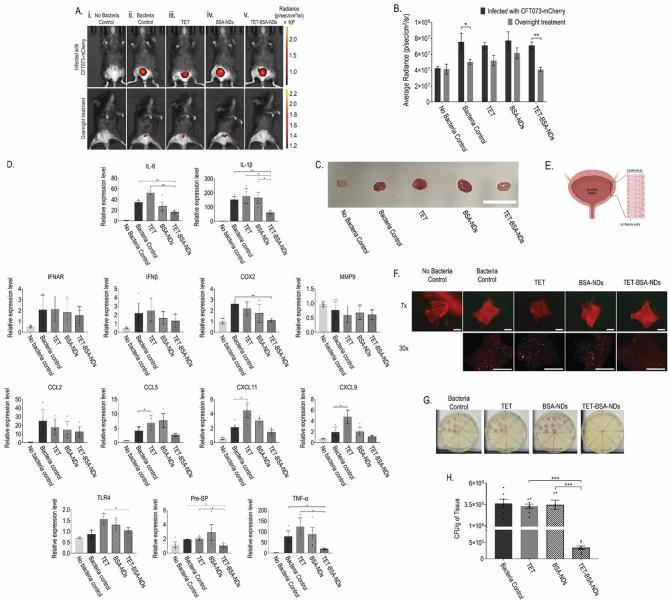
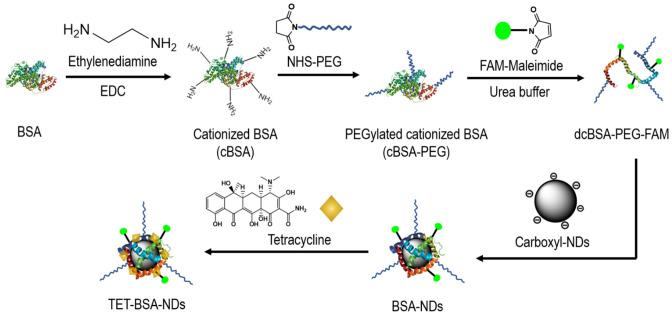
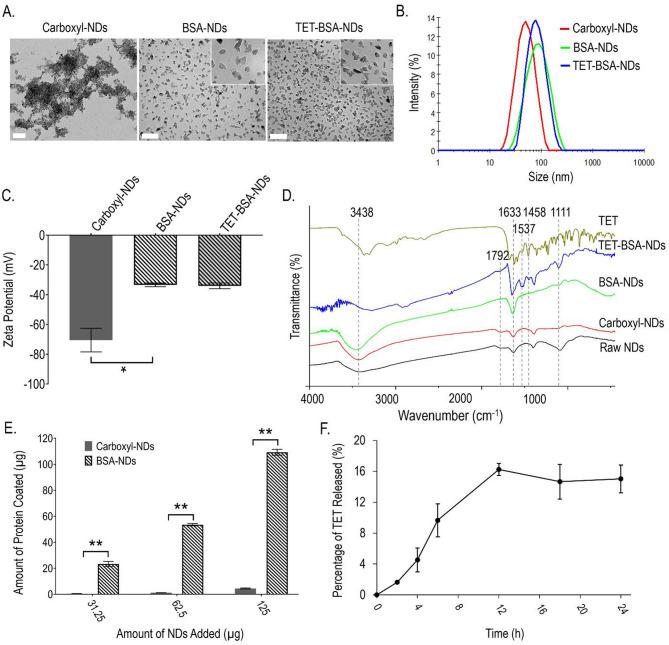
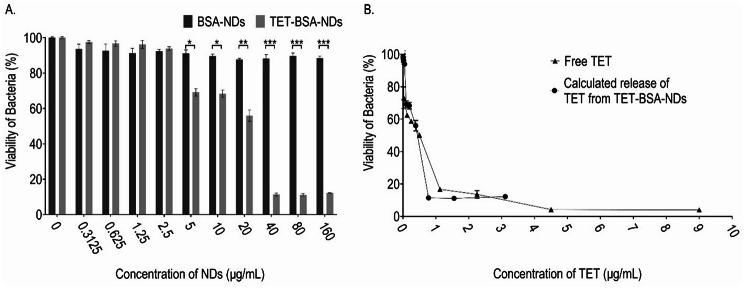
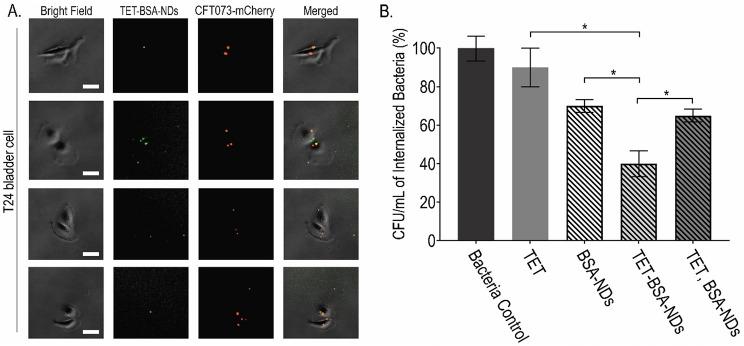
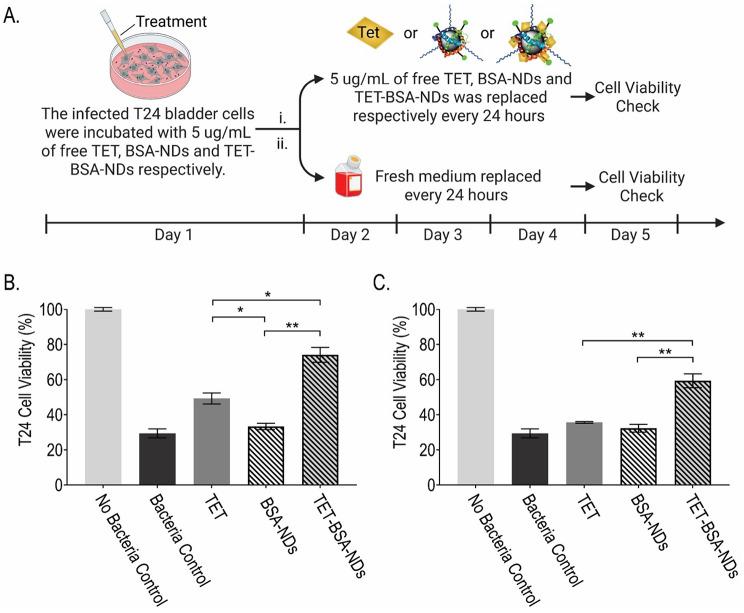
Treating urinary tract infections (UTIs) effectively is a difficult task due to the emergence of antibiotic-resistant bacteria and limited antibiotic access to intracellular bacteria within the bladder lining. Numerous studies of the antibiotics-nanodiamonds (NDs) synthesis and their inhibitory effect on bacteria have been performed previously. However, their effectiveness and toxicity in cell-based and animal infection models remain unclear. In this study, we presented the utilization of biopolymer-coated nanodiamonds for the delivery of tetracycline (TET) to the intracellular bacterial communities within the bladder cells using an intravesical delivery approach, aiming to effectively treat UTIs. Compared with antibiotics alone, the TET-loaded ND-based carrier system significantly improved the clearance of intracellular bacteria in the infected cell and animal models. Moreover, the intravesical delivery avoids the potential toxic effects from NDs accumulation in the organs, and minimizes the loss of the drugs during delivery. These results offer a promising strategy to treat chronic infections and prevent the recurrence of urinary tract infections (rUTIs).
由于抗生素耐药菌的出现以及膀胱内衬细胞内细菌难以获得抗生素,有效治疗尿路感染(UTIs)是一项艰巨的任务。此前已经进行了大量关于抗生素 - 纳米金刚石(NDs)合成及其对细菌抑制作用的研究。然而,它们在基于细胞和动物感染模型中的有效性和毒性仍不清楚。在本研究中,我们展示了利用生物聚合物包裹的纳米金刚石,通过膀胱内给药方法将四环素(TET)递送至膀胱细胞内的细菌群落,旨在有效治疗尿路感染。与单独使用抗生素相比,基于负载TET的纳米金刚石载体系统显著提高了感染细胞和动物模型中细胞内细菌的清除率。此外,膀胱内给药避免了纳米金刚石在器官中积累产生的潜在毒性作用,并最大限度地减少了给药过程中药物的损失。这些结果为治疗慢性感染和预防尿路感染复发(rUTIs)提供了一种有前景的策略。
 Zotero 插件